San José

The little restaurant at the hostel wasn’t open this morning, but fortunately there were lashings of free, good quality coffee. Suitably fuelled up, I headed the few blocks over to the National Museum.

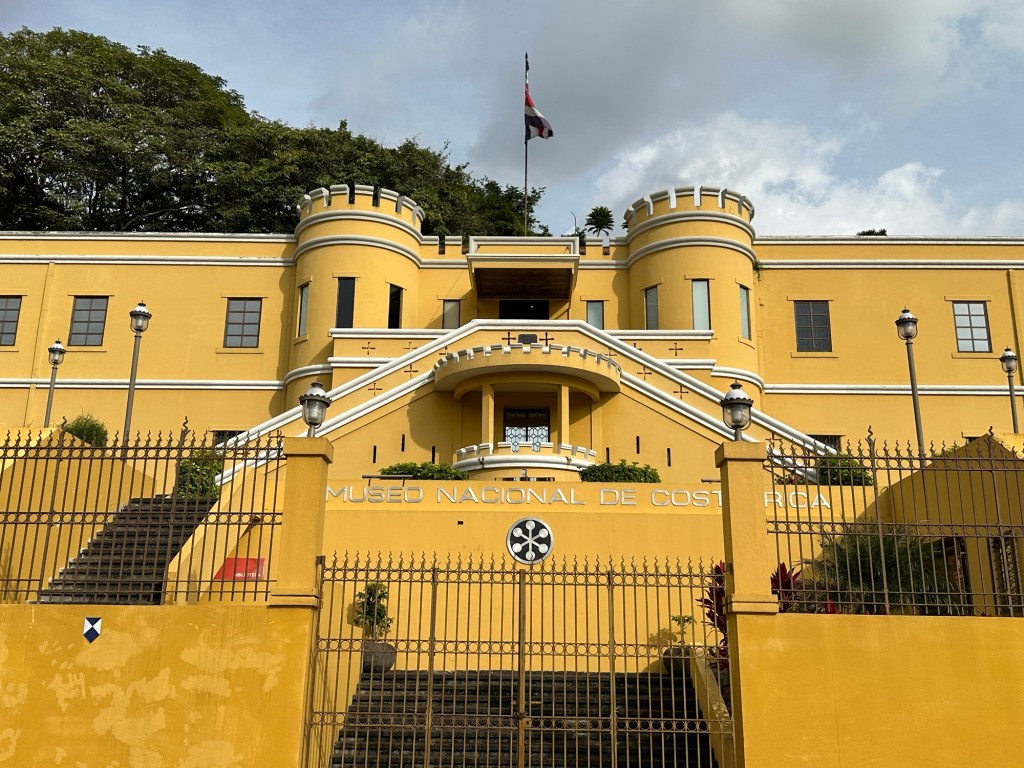
Bullet holes from revolution fighting prior to disbandment of army are left as a reminder.

This remarkable and extensive museum is housed in the former barracks and headquarters of the Costa Rican army, Cuartel Bellavista. Apparently, when the government of the day disbanded the country’s army in the late 1940s, the Museum Director proved most savvy in requesting the barracks to house its collection ‘in the spirit of community building’. He read the play book and was granted his wish. Museum staff must have been dancing in the street with the news as it meant they finally had decent digs to set up in and spread out. The work over the past 70 years has resulted in a world class institution.

Museo Nacional de Costa Rica

Immediately entering the museum, you pass through double glass doors into a butterfly filled, glass covered atrium resplendent with lush, tropical gardens. With clouds of large, brilliantly coloured butterflies swooshing through the air, and occasionally landing for an obligatory photo opportunity, this place rates up there for enchantment value.

Jardín de Mariposas

From a corner on the lower level of the atrium, you can climb up inside one of the original barrack towers to emerge onto the rooftop with brilliant vistas of San Jose and the surrounding mountains. It’s easy to see why the cuartel was built there in the first place. The upper part of this particular tower was demolished when the army was disbanded to prevent it being used for attacks on the city again.

View from top of Museum overlooking San Jose towards surrounding mountain range.

From this point, you go back inside at the same level to explore the old barrack kitchen area, bathrooms and even the solitary confinement area. Interpretation panels in Spanish and English are accompanied by historic photos of when the building was a military emplacement. Reading the personal accounts of former soldiers based there, you have to think they would rather have had the place burned to the ground themselves. It was a particularly harsh life for a sentry during that time.

Outer wall of barracks

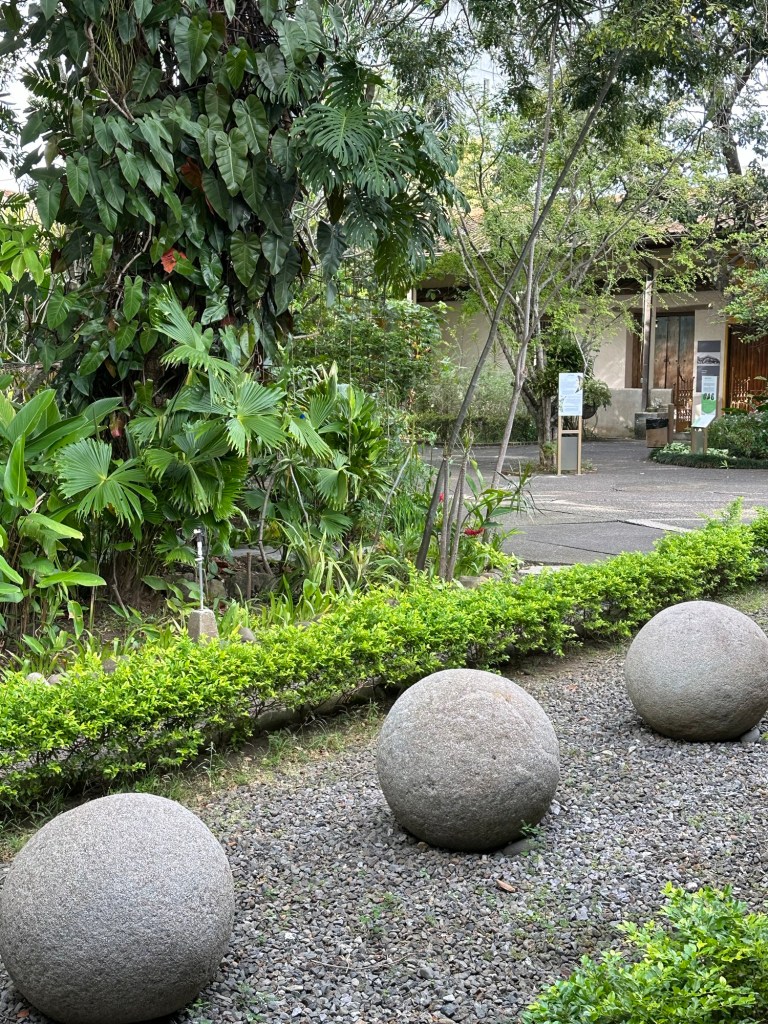
Once through this section you climb a set of stairs to pop back up into bright sunlight and a gorgeous central patio filled with immaculately landscaped gardens. The buildings surrounding the patio is where the Museum’s permanent collection is displayed and well worth a visit to get your head around Costa Rican history from pre-Columbian to present. All interpretation panels are in Spanish and English and exhibits are well presented.

Central patio

Having not eaten since the previous day, I eyed a cute little restaurant over the road from the museum. Upon being ushered in and presented with a menu, I discovered prices were not to my liking but I had made the cardinal error of not checking the menu first so felt obliged to suck it up and just order something. I chose one of the cheapest things on the menu, rice with shrimps, and a beer. When presented with the bill, it was even more than I had anticipated with taxes and charges added on. For AUD65 I expect a pretty amazing meal but amazingly, this was not. I’m going to have to be on guard here a bit more it would seem.

Glass sculpture out front of Museo Nacional de Costa Rica

Back at the hostel, I partook of Happy Hour/s at the hostel bar, chatting to fellow travellers and whiling away the time with tasty rum cocktails in hand.

San José

Arrived at my hostel wee hours of the morning after travelling for 30+ hrs to find I had unwittingly booked my bed a night out!!Thankfully, the lovely receptionist found me an emergency bed for the night after I made noises about just crashing in a hammock or on a couch. Even after a shower and clean clothes I was too wired to sleep for a bit so didn’t start my day until mid morning.

I wanted to just walk around this remarkable city for a bit to get the vibe of the place. It had been five years since I had last been in Central America and that was in Nicaragua, one of the poorest countries in the region. Costa Rica, by comparison, is very much the showy, wealthier relative with support from its rich benefactor, the US. The city is relatively clean and well organised, and it has a veneer of respectability about it. The absence of an army is very apparent as that’s one of the things that is usually very much in your face in other Central American countries. That said, there is a very strong police presence as it was to them the role fell to keep the peace after the army was disbanded in 1949.

San José has many small, immaculately maintained parks which provide a welcome change from the hustle and bustle of city life. I meandered my way through crowded streets which were being cordoned off for a street festival later that evening. Families were setting up along the parade route in order to claim prime position and there was definitely a festive atmosphere in the air.

I left the crowds behind and started exploring the various barrios surrounding downtown San José. The terrain is hilly which allows for some superb views from elevated positions. Picking my way through streets with well maintained garden verges; pretty colonial cottages mingled with more modern concrete edifices.

Returning to the hostal after several hours of walking, I bumped into a Chilean woman I had been chatting to earlier in the day. She said that a group from the hostel were going to go watch the Festival of Lights – the festival I had seen the preparations for earlier on my walk. We left together and walked past multitudes of buses lining a back street. We were trying to find a bar we could hang out at prior to watching the parade but it seemed alcohol was off the menu because of the parade. Strolling back, however, it seemed the parade had started so we stopped to watch.

As luck would have it, this bar didn’t seem to get the memo about the no alcohol ruling, so I plonked myself at the bar and ordered a cerveza. Almost immediately, I was accosted by a more than slightly inebriated Colombian hombre who kept trying to hug and kiss me. Fortunately, he left shortly afterwards with the assurance of a security escort. In his place came along a really interesting, local hombre who was producing music. The bar was playing some great local music and his latest offering, which was filmed in Nicaragua, was on the DJ’s play list.

After I left the bar, I walked back past the buses strung out along the street which were now surrounded by performers in their hundreds in magnificent costumes packing up to go to their relative homes in Costa Rica. I felt of brief pang of regret for not waiting it out to see it, but choices had to be made.

Juigalpa – El Rama

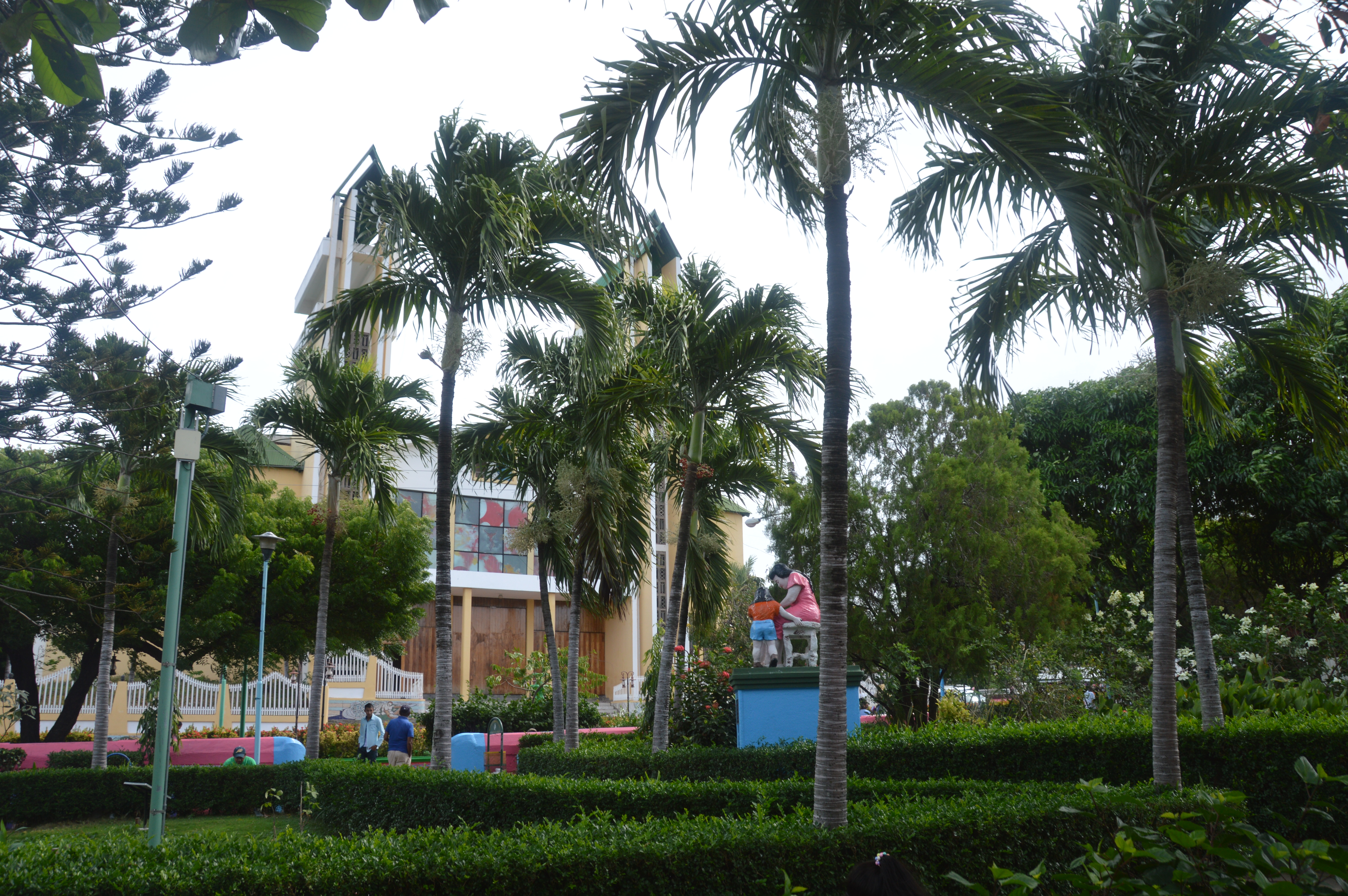
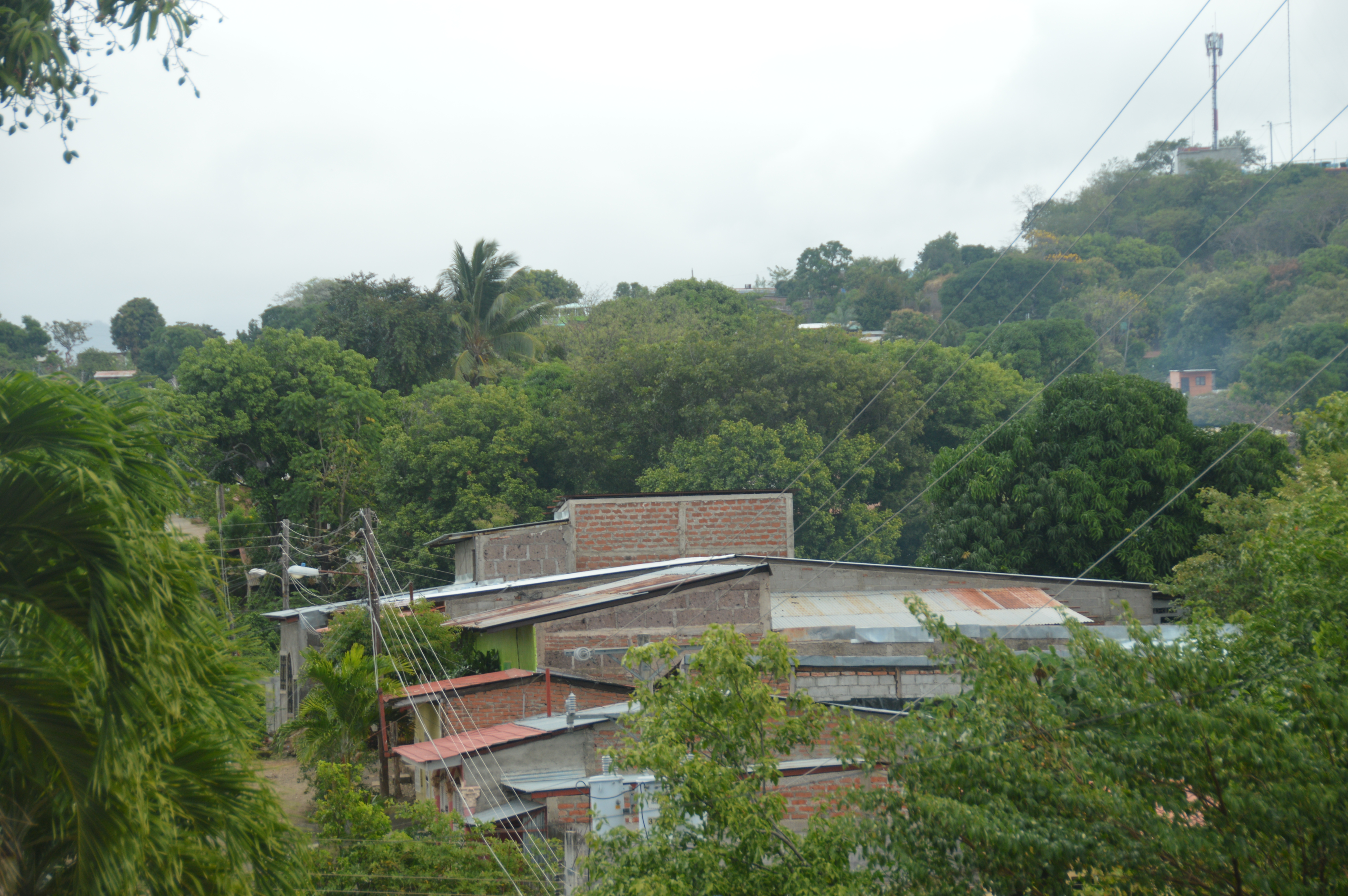
I decided to have breakfast at a little kiosk in Parque Central and watch the comings and goings of jolly Juigalpa. Aside from the blaring of the local radio station eminating from the parque’s rotunda, all was peaceful with children playing, birds flitting, and the local constabulary chatting to vendors and sharing a laugh. I would have loved to have stayed and explored this interesting pueblo, but needed to move on. I walked the few kilometres to the bus terminal, poking down side streets on my ramble. Juigalpa is nestled in the Serranía Amerrisque which provide a stunning backdrop to its streetscape in the form of lush forested mountains climbing steeply out of the valley.

DSC_0848

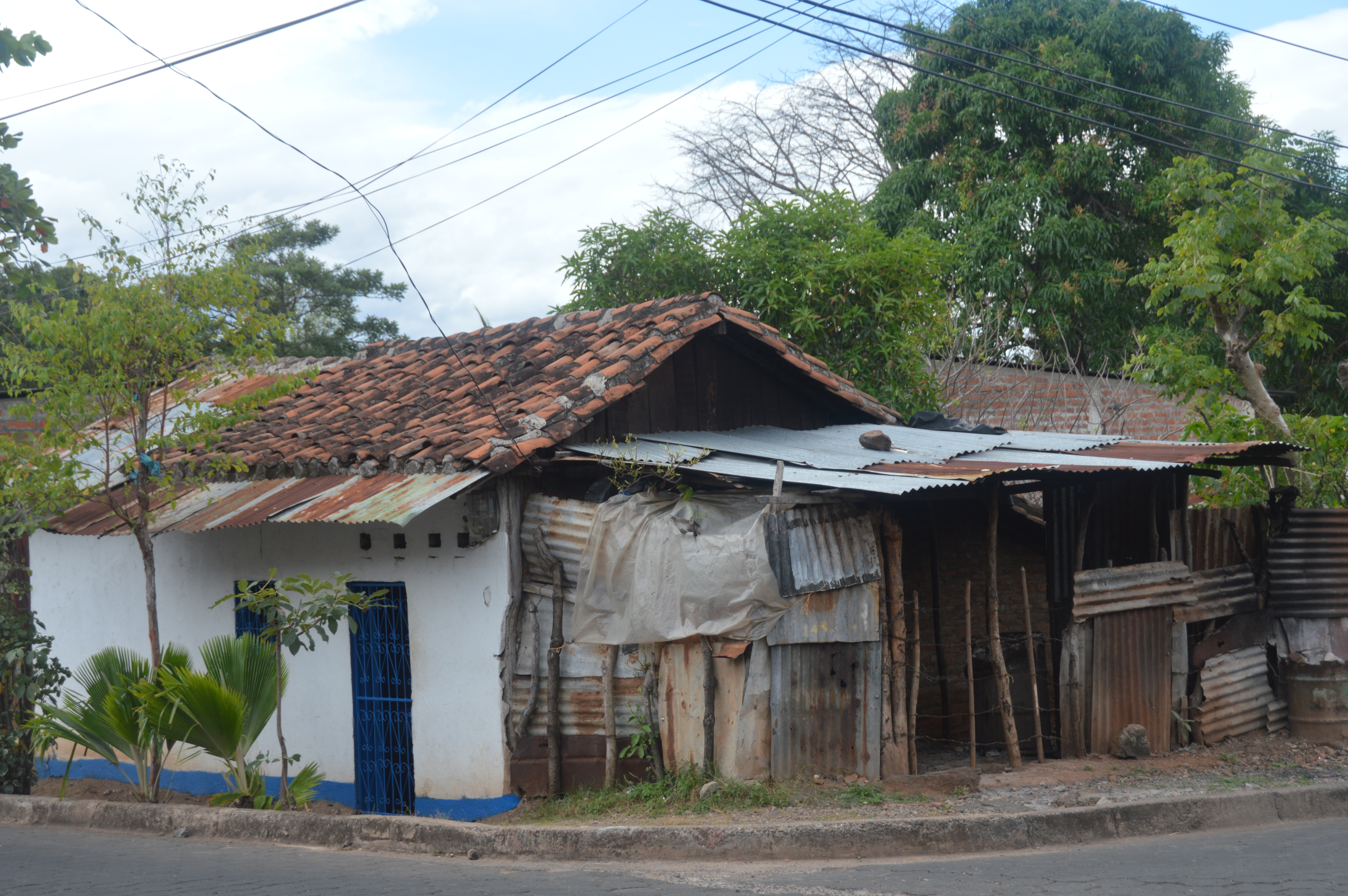
As I neared the bus terminal, I caught up with a garbage collection truck which I observed with interest. In a region where the default to the disposing of rubbish is throwing it on the ground, it was interested to see a more contemporary method of waste disposal. There was a crew of four hombres accompanying the driver who slowly drove down the street. Two hombres collected the various sacks that were being used as rubbish receptacles at the passing properties, threw them up to the other two hombres in the back of the truck who emptied them and flung the empty sacks on the ground; I’m assuming for the owner to later collect. What I was surprised about, though, was the sorting through of the rubbish to separate paper and cardboard into large sacks on the truck. Not that Nicaraguans don’t recycle as such – they are very resourceful at reusing and re-purposing waste. One might see bottles (plastic and glass) upended to to form a garden barrier, or old chemical containers being used to store water – hopefully having first been thoroughly cleaned!

DSC_0853

I didn’t have to wait long for the bus I needed and climbed aboard for my next leg. It was a spectacular journey continuing through the Serranía Amerrisque and then down to the lush tropical river plains of El Rama. The quiet chatter of the locals travelling was interspersed with the indignant crows of a trussed rooster, who was clearly not a willing passenger.

DSC_0855

The bus pulled up outside a small but bustling marketplace and I wandered down the couple of blocks to the pier where the pangas to Bluefields left. I was directed to an adjacent hotel where the tickets for the pangas were sold to find I had missed the last panga for the day by 10 minutes! I wasn’t too disappointed as I really liked the vibe of this river port town so was pleased to be spending a night here. The first panga left at 5.30 am so a room at the hotel seemed a good idea. An even better idea when I found it was spotlessly clean and with own bathroom for only USD6.50!

DSC_0880

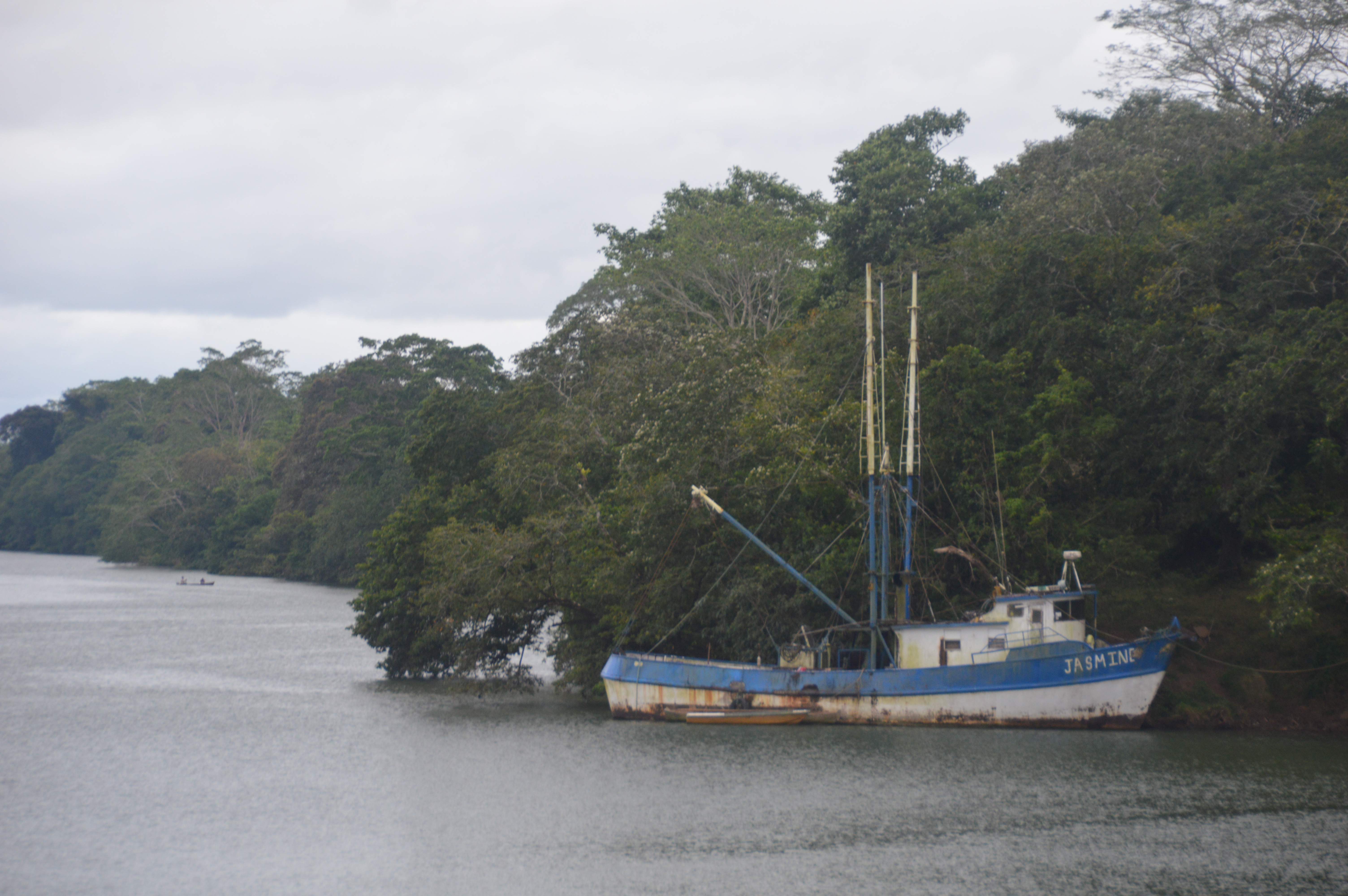
Pack dumped and it was time to check out the little bar across the road for a sunset cerveza. Perched on the river bank, one could peer through the lush tropical garden at the river flowing serenely past. I had just enough time afterwards to stroll along the edge of town where access down to the river was possible at regular intervals. El Rama is situated at the convergence of Rio Rama and the Rio Escondido and hosts the country’s main heavy cargo port for the Atlantic coast. The convergence itself is magnificent as the two not insignificant rivers join forces to produce a strong deep waterway which weaves its way to empty into the Bahia de Bluefields.

DSC_0863

The sun finally sank into the mangroves and I returned to my little riverside bar to source dinner. After waiting an inordinate amount of time for the cook to return, I decided to move on to another bar/restaurant recommended in the guidebook. Another riverfront establishment which proved its mettle in regards to setting and fine seafood. As I had a very early start the following day, I retired early to my little Portside hotel.

Puerto Cabezas – Juigalpa

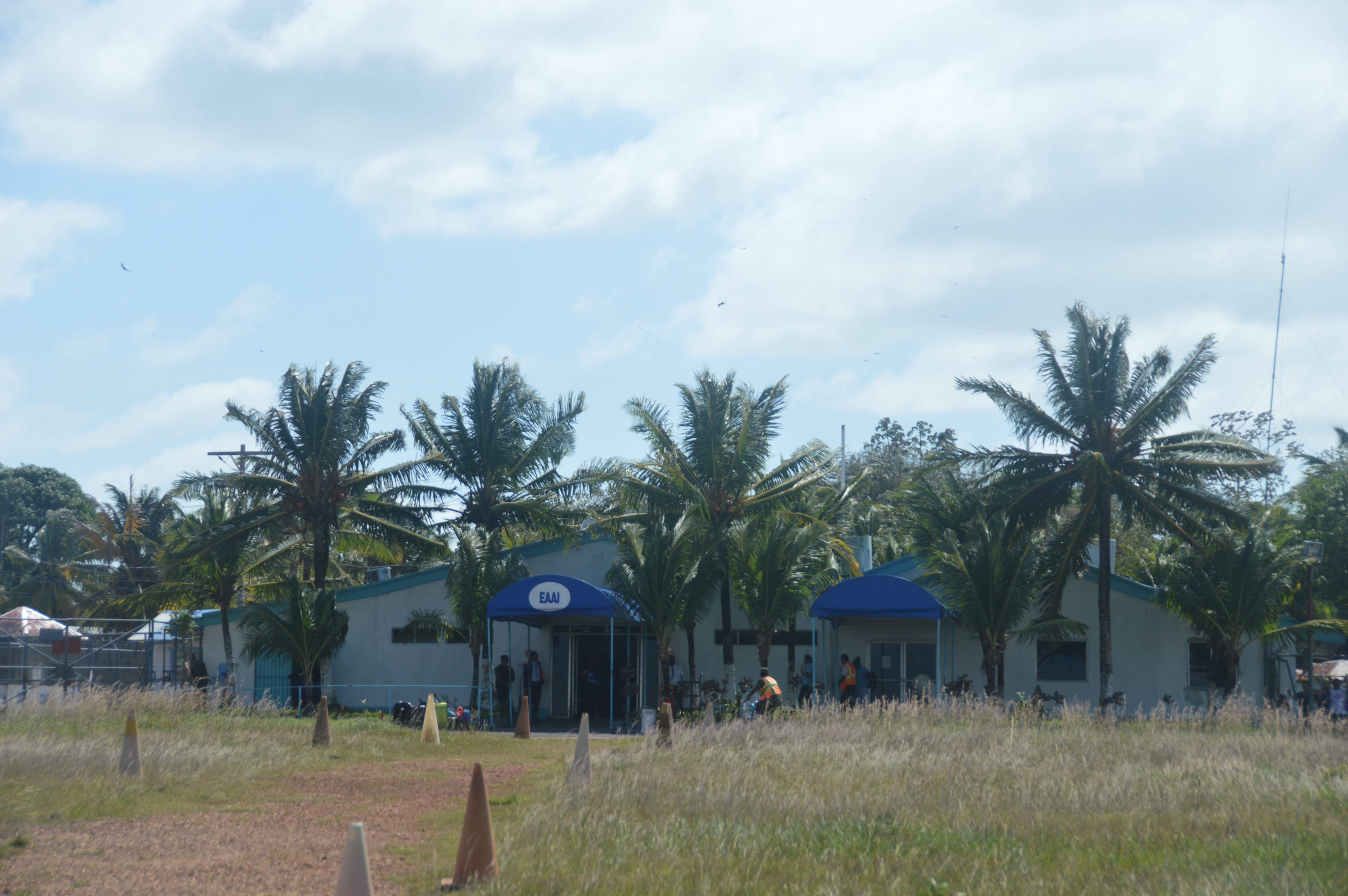
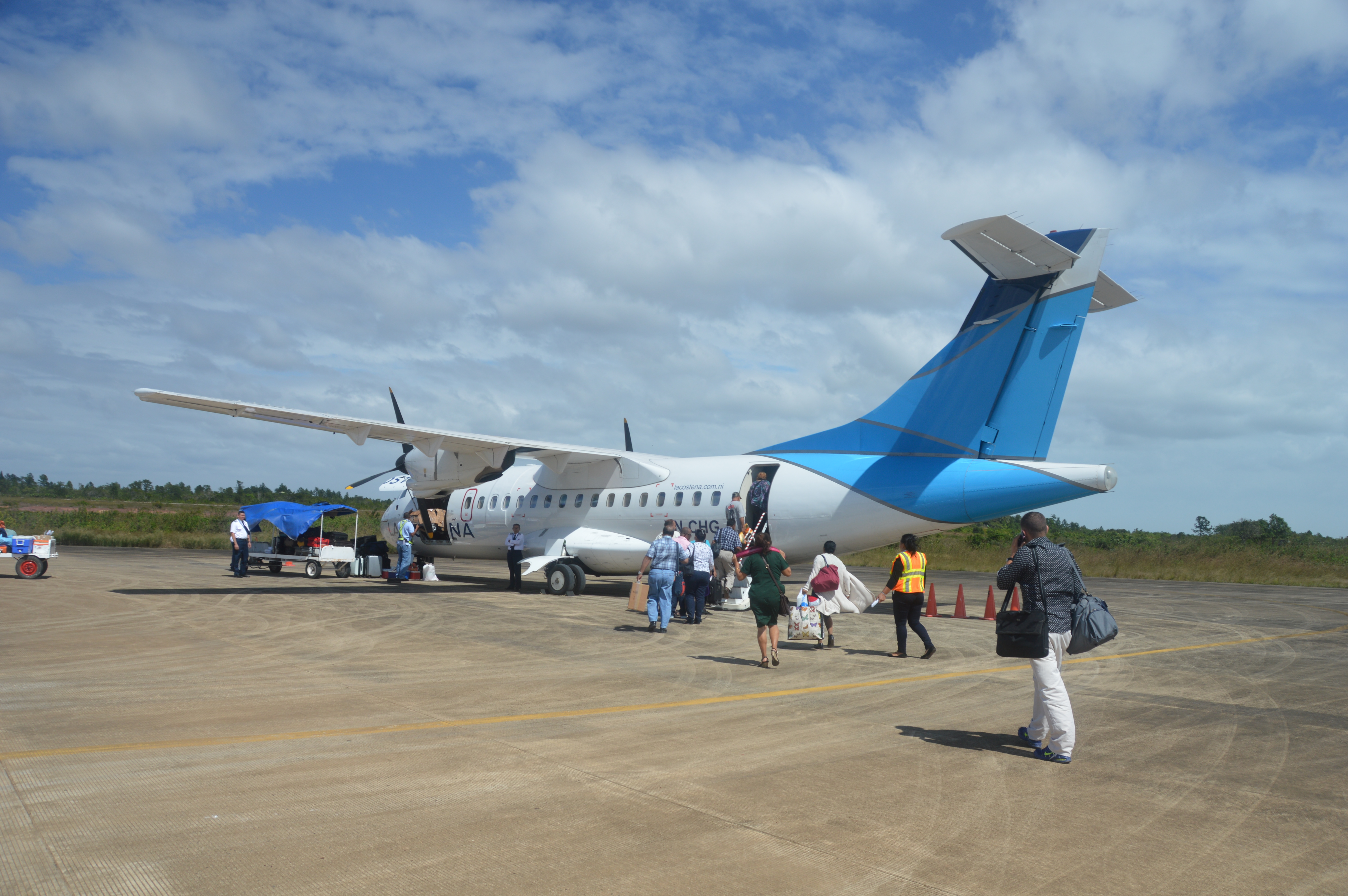
Morning dawned and the wind blew. And blew. I knew I was travelling on a small plane back to Managua, so prayed it would be able to take off in these high winds. My friendly attendant at the airport assured me that the plane would be ok so I went through to the ‘Departure Lounge’ and waited. All the while, the wind was cranking it up outside. Just before the scheduled departure time, the flight was called by a señora at the door and we handed over our boarding passes (in numerical order) as we passed through the door and down a dirt track to the tarmac where our twin turbo prop plane patiently waited. I was expecting a 10-12 seater, but it looked like they had pulled out the big guns and sent a 48 seater over.

DSC_0840

We took off and for about half an hour had magnificent aerial views of the coast, turquoise lagoons and the immediate hinterland. Unfortunately, we then flew into cloud cover for about another 20 mins, so visibility was limited. When the clouds cleared though, a spectacular vista presented itself in the form of a fern green blanket, shadowed in folds with jade and emerald. Little pueblos sprinkled in the valleys provided golden florets embroidered with trailing tendrils. All the while the soft hum of the prop engines provided the soundtrack to this magnificent scene.

DSC_0841

All too soon we landed and after collecting my pack, I caught a taxi to the terminal where the bus I needed left from. By walking across the road and hailing down a local taxi instead of taking the airport taxi, it cost me USD2 instead of USD25. I found a bus heading to Juigalpa and settled in for the journey. We skirted the edge of Lago de Managua then began heading east, past grassy fincas lining the edges of smaller lakes and dams and rising into the rolling hills. We eventually starting driving through the beautiful Serranía Amerrisque and the bus climbed steadily through the picturesque mountains.

DSC_0850

I was expecting the trip to take four hours and was pleasantly surprised it find it only took three. I used maps.me to work out where to get off the bus without having to go all the way to the terminal. This is the first trip I’ve really used this handy little app and am using it more and more. It certainly is a game changer for modern travelling! The first hotel I tried had no rooms available so went next door and found one with shared bathroom for US11 which did me nicely.

DSC_0849

Pack dumped, I wandered over to Parque Central which was around the corner. I found a pretty plaza with flowering plants nestled under shady trees and locals draped over parque benches enjoying the late afternoon solitude. All of a sudden, the serenity was smashed by an hombre beating one of the cathedral bells with a piece of metal. His head was inside the bell and he was striking the side of it with all his might. After changing arms and eventually exhausting the other, another hombre stepped in to take his place. This continued for a good few minutes with the two hombres taking turns to strike the bell. One can only imagine how loud it must have been inside that bell as it was being struck and I’m certain it wouldn’t have done either señor’s hearing any good at all.

DSC_0847

I wandered over to a small restaurant overlooking the cathedral and watched the passing parade of locals. A large Dutch tour group who were travelling Nicaragua and Costa Rica ended up sharing my space. I ended up chatting to a few of them before calling it a night.

Puerto Cabezas

After my running around the previous two days exhausting options to leave this little port town, I decided to have a chill day, catching up on emails and getting some washing done. As I was having my morning coffee, the first foreigners I had seen in town walked in. They were a young French couple who had flown in from Managua the night before. The girl was revisiting her childhood as her family moved here immediately after the Revolution in the early 1980s to help rebuild infrastructure. I was filled with admiration for her mother who must have been a strong woman to bring three young children to such a remote spot where tensions would still take a while to simmer down.

DSC_0828

A quiet afternoon was spent readying to hit the road running in the morning. I only had a week and a half left of my trip and a lot of ground I wanted to cover. Sunset cervezas and dinner at my favourite cliff top restaurant and thus ended my final day in Puerto Cabezas.

DSC_0824

Puerto Cabezas

I knew the airport had a flight leaving from it at 12 pm so aimed to be there a couple of hours beforehand in case it was only manned during flight times. The señora I spoke to there confirmed there were no available seats to Bluefields until Wednesday which wasn’t really a viable option for me. I spoke to an English speaking señor who gave me the option of flying to Managua on the Monday and then taking a flight to Bluefields from there. I wasn’t really keen on backtracking to Managua so decided to go back to the hotel and investigate further on the computer and possibly book the Managua-Bluefields option.

DSC_0829

I checked again there were no available seats to Bluefields, then looked at the Managua-Bluefields option. I could fly out on the Monday but there were no connecting flights to Bluefields! I decided to walk back down to the airport and check with my friendly English speaking señor who had told me there were. After waiting for everyone to return from lunch, my señor confirmed what my computer had been trying to tell me. I could fly to Managua on Monday, but couldn’t get a connecting flight until Tuesday. Or fly direct on Wednesday. As I had been in Puerto Cabezas since Thursday afternoon and was running out of time to see the rest of the country, neither of those options were really particularly attractive.

DSC_0813

I had exhausted all options for boating it down, waiting for available flights was going to take too long, so the only other option was to return the way I came. Two long, hard days vía local bus. I thought maybe I could travel part of the way and connect with other buses heading south, so traipsed to the bus terminal on the western side of town. There I met a lovely señora who very helpful but the facts were the facts. I would need to backtrack almost to where I had started. 17 hours on an overnight bus that left at 4 pm. I glanced at the 4 pm bus that was leaving the terminal, packed to the rafters inside and out and had a good, hard think about it. I know me. And the version of me that would have emerged after a such a trip would not have been one even I would have wanted to meet! Let alone the fine folk of Nicaragua.

DSC_0817

I decided the best option after all would be to fly to Managua on the Monday and bus it back to the Carribben. At least I would be travelling through countryside I hadn’t already been through and the roads were good so trips were relatively quick by comparison. Decision made and I walked back to my hotel to make the booking so I at least I had a plan of action locked down. Flight booked and paid for and I could now relax.

DSC_0787

As it was late in the day, I decided to have a couple of sunset cervezas to celebrate the fact that I had finally made a decision about how to leave this little port town. I walked down to the Malecon complex I had visited the previous day only to find it packed and the music blaring. Not quite the quiet place of solitude I was hankering for… On the way back to the hotel it started to drizzle. Fortunately, I made it back before the heavens opened up and the winds picked up. It was a lovely cool change though and I enjoyed listening to the pattering on the tin roof as I drifted off to sleep.

Puerto Cabezas

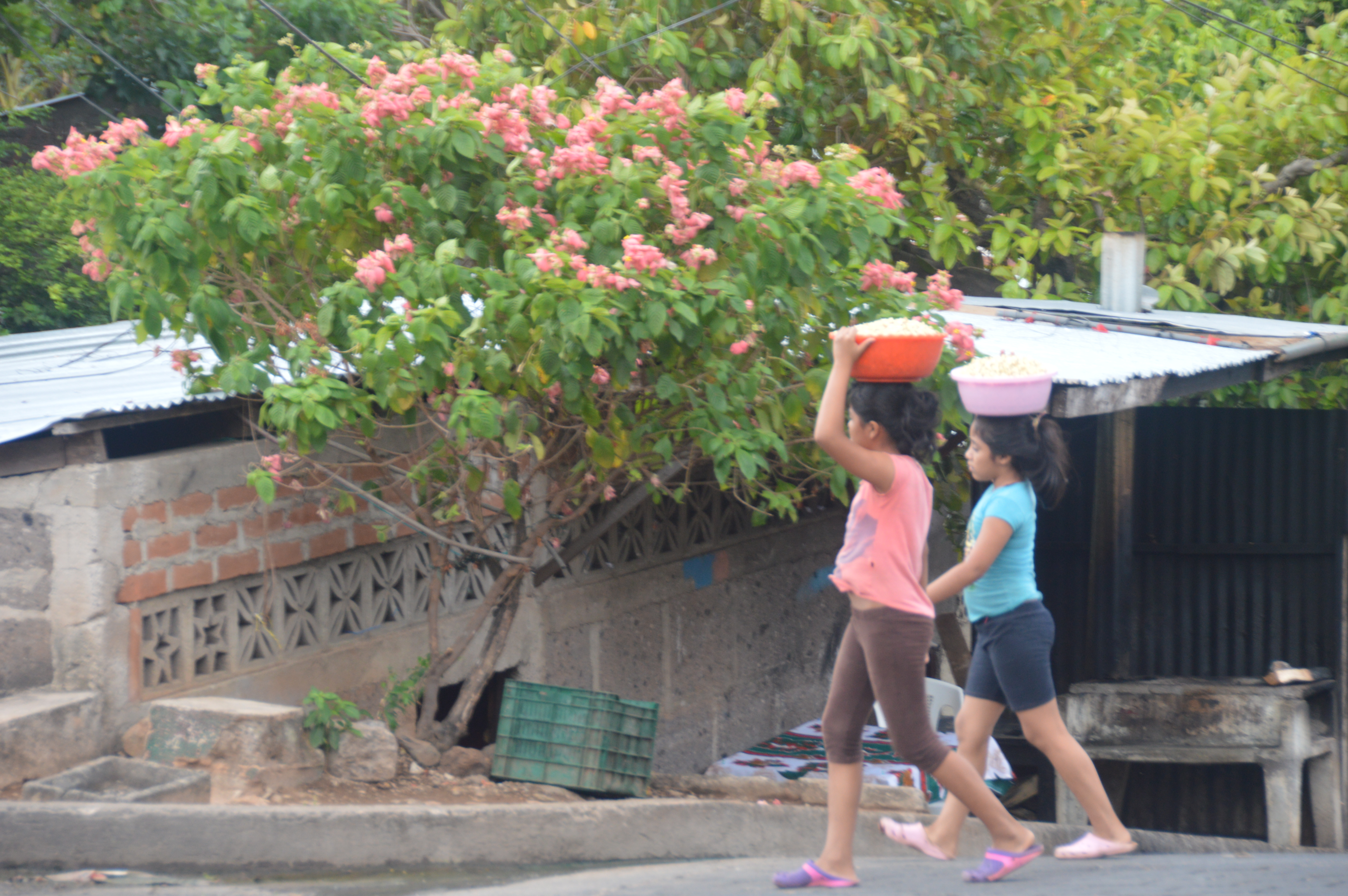
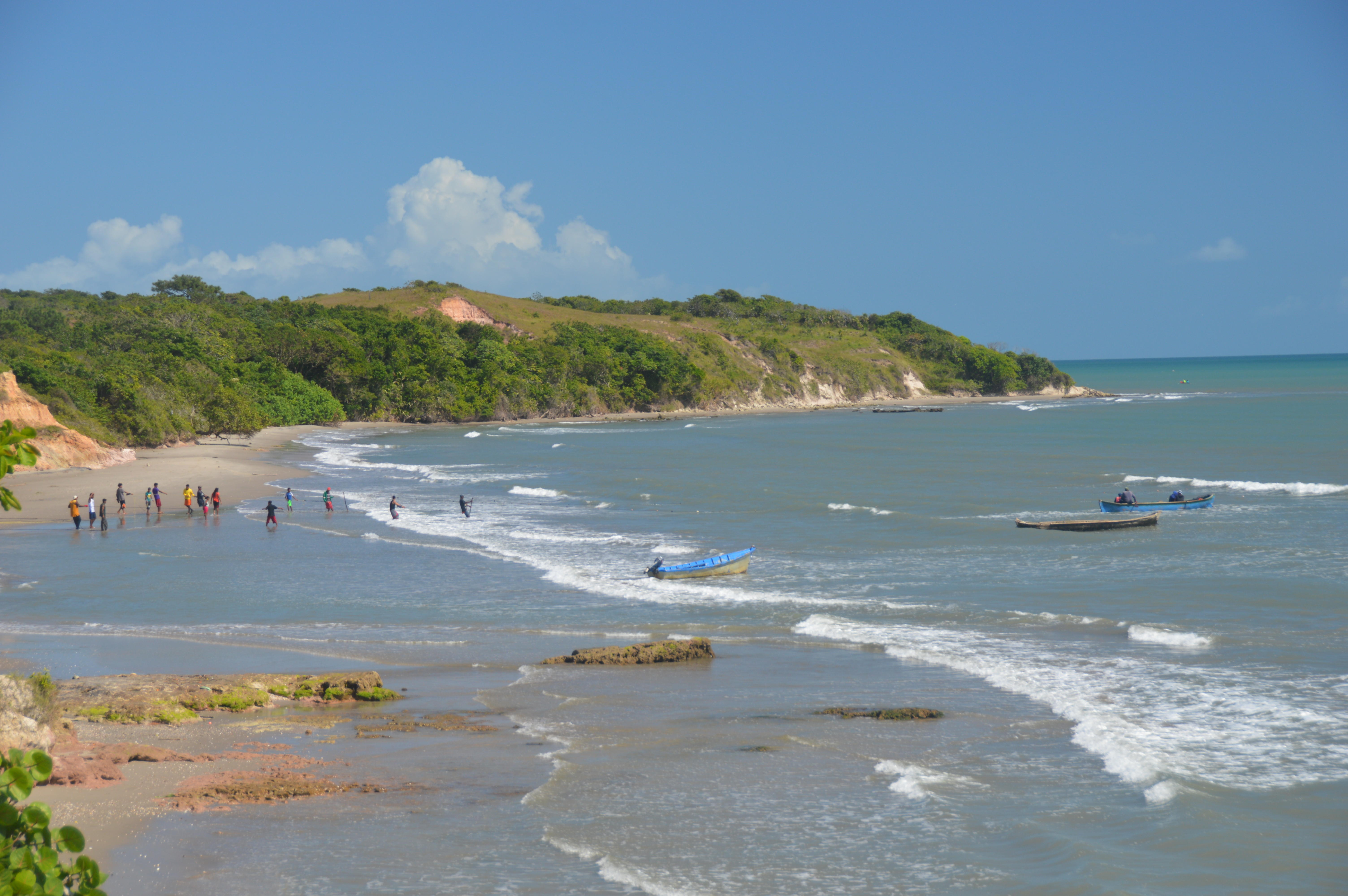
Morning dawned and I was keen to check out this cool little Caribbean town, as well as work out how I was going to continue down the coastline. After breakfasting in the casa’s beautiful garden cafe, I headed towards the coast to start my wander. The road which eventually led to the coast wound around a low cliff line where several little casas had superb uninterrupted views of the Caribbean Sea. In the distance, one could see a group of hombres hauling on a rope to pull a small fishing vessel back to the beach. A señora passed me with a large container on her head and smiles were exchanged.

DSC_0758

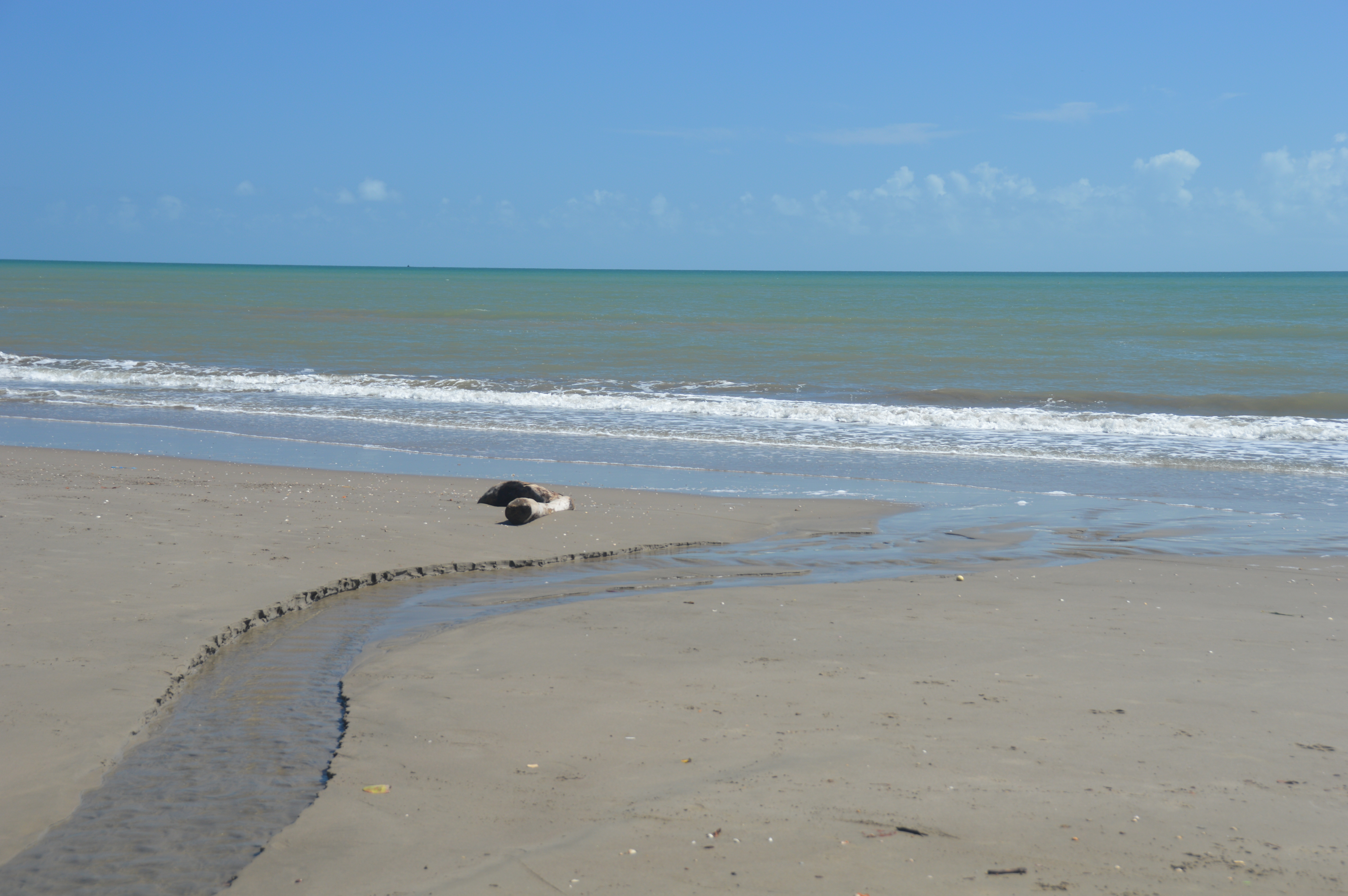
I found a large restaurant on the edge of the cliff line which had steps going down to the beach and availed myself of the opportunity. Once down, I could see large flocks of pelicans, cormorants and vultures flooding the area. It didn’t take long to realise why – a fishing boat had pulled up on the beach and was offloading its catch. The birds were obviously looking for an easy feed. I continued on past little rocky headlands and a tiny stream which wound its way from the fringe of the lush vegetation to join the tide. A group of young boys were playing soccer with a battered ball and driftwood wedged into the damp sand to delineate goal posts. A couple of señoras were collecting shiny pebbles and placing them in a large container.

DSC_0785

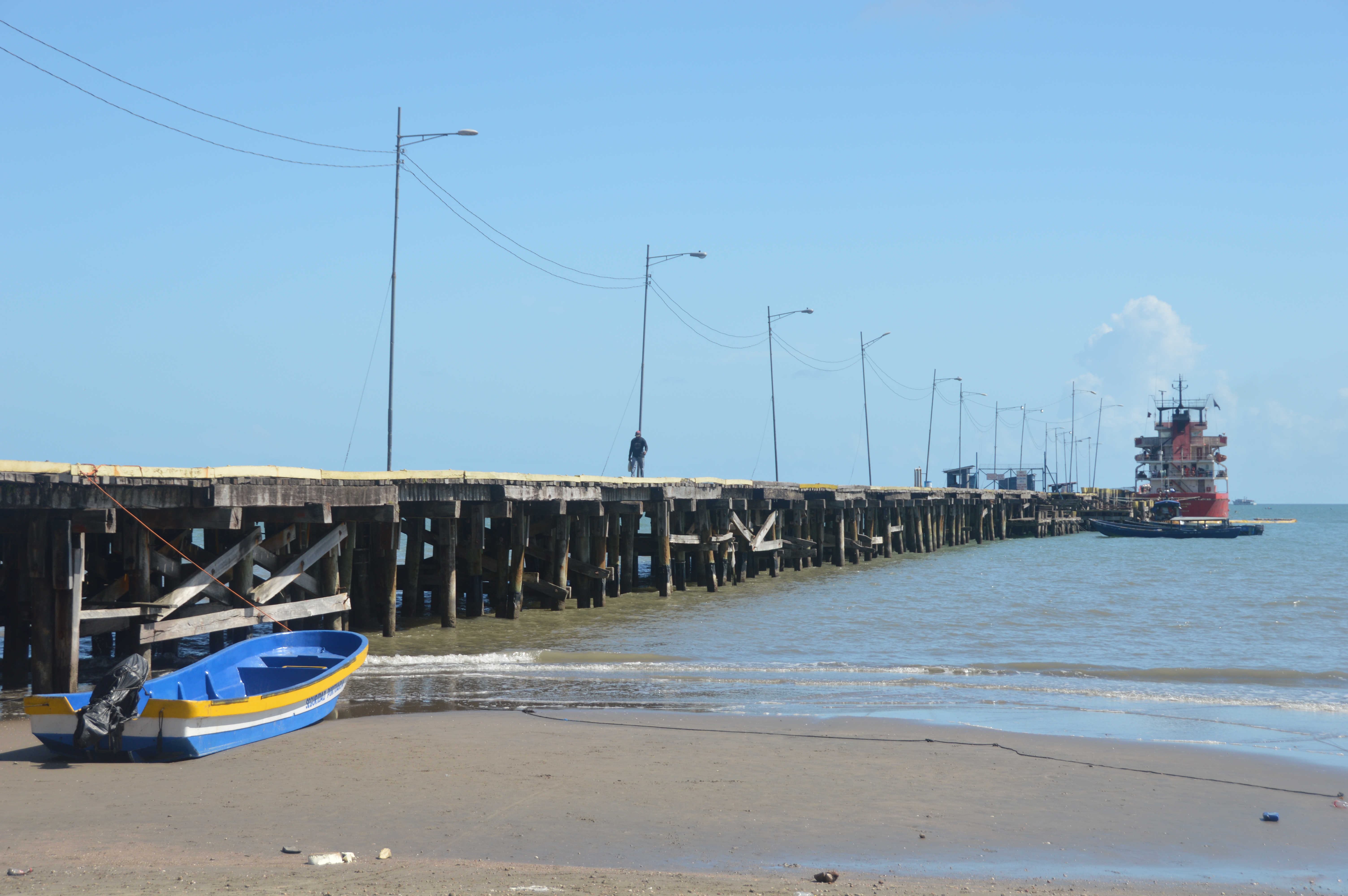
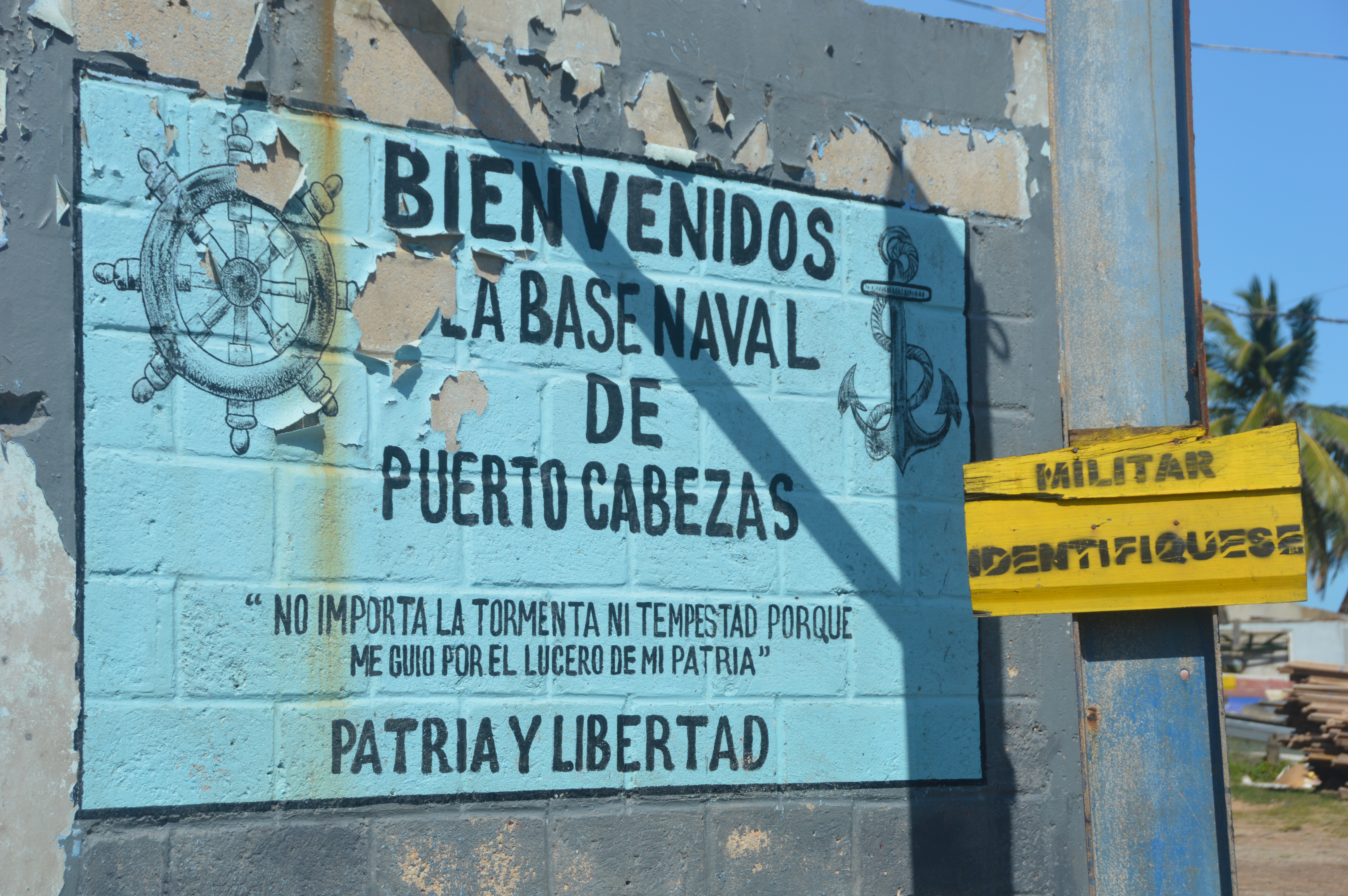
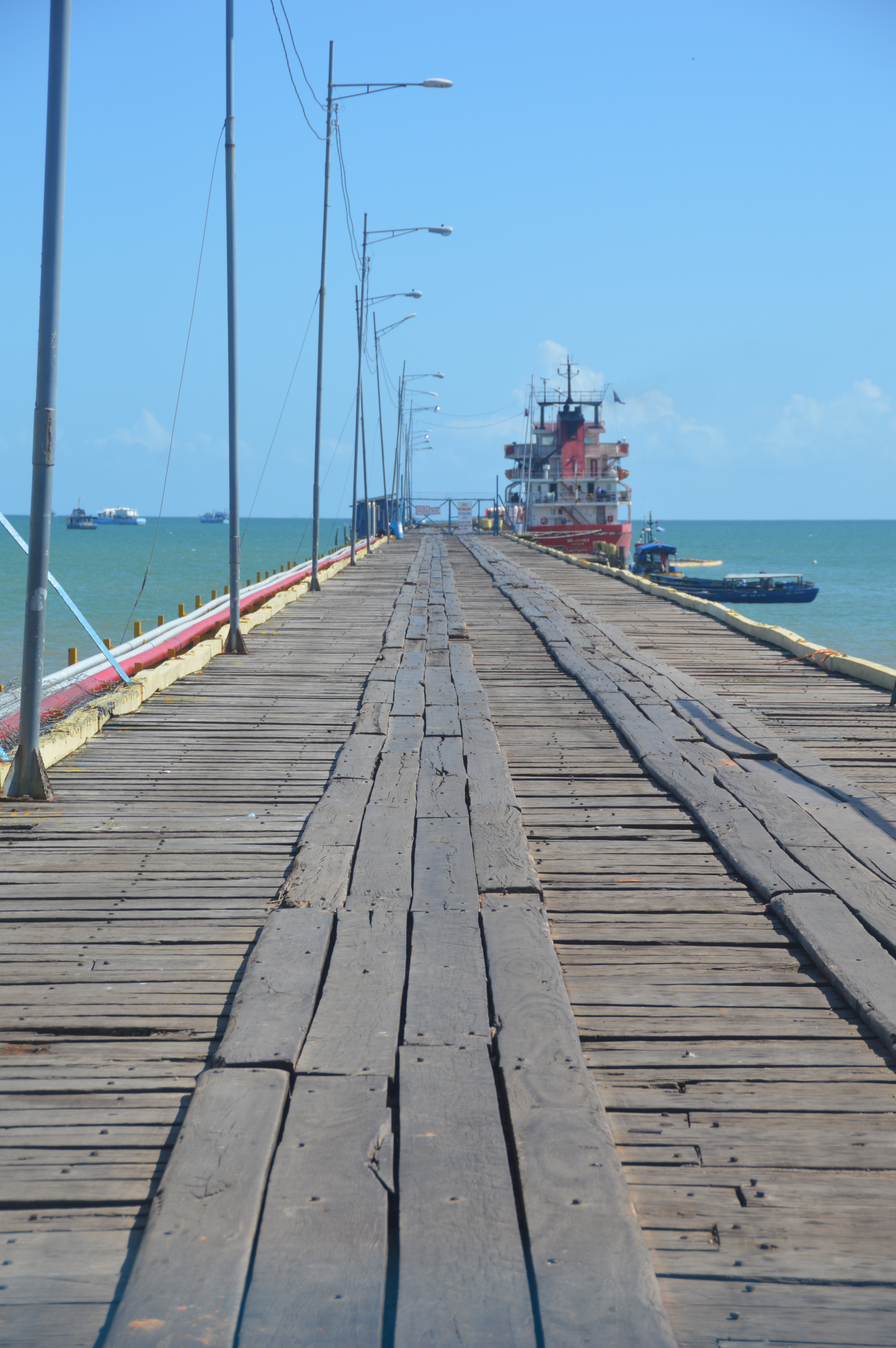
I reached the Puerto’s pier which has a rather chequered history. It was originally built early last century by US giant United Fruit in order to ship out all the fruit, fish and timber it had stripped out of the region. It was then used to launch the failed 1961 US supported Bay of Pigs invasion of Cuba by exiled Cubans. A couple of decades later and the pier came in handy again to smuggle in arms for both sides of the Revolution. It is reported that the shady ladies of the night were responsible for ensuring the FSLN received their armaments. I’m sure the Good Lord overlooked the soiled señoritas’ loose morals for their brave contributions to the winning side.

DSC_0810

On the other side of the pier, I noticed a tiny bar nestled on the edge of the beach. This looked like a fine place to stop for a cerveza and stop and smell the sea for a short while. Suitably refreshed, I thought it time to head out to Lamlaya where it said in the guidebook I would be able to catch a panga (collectivo boat) to get as far down the coast as Haulover. There was no mention of anything any further but I was hoping to be able to hop down the coast via a series of pangas servicing the communities down there. As it was a fair way out of town, I decided to catch a colectivo there.

DSC_0812

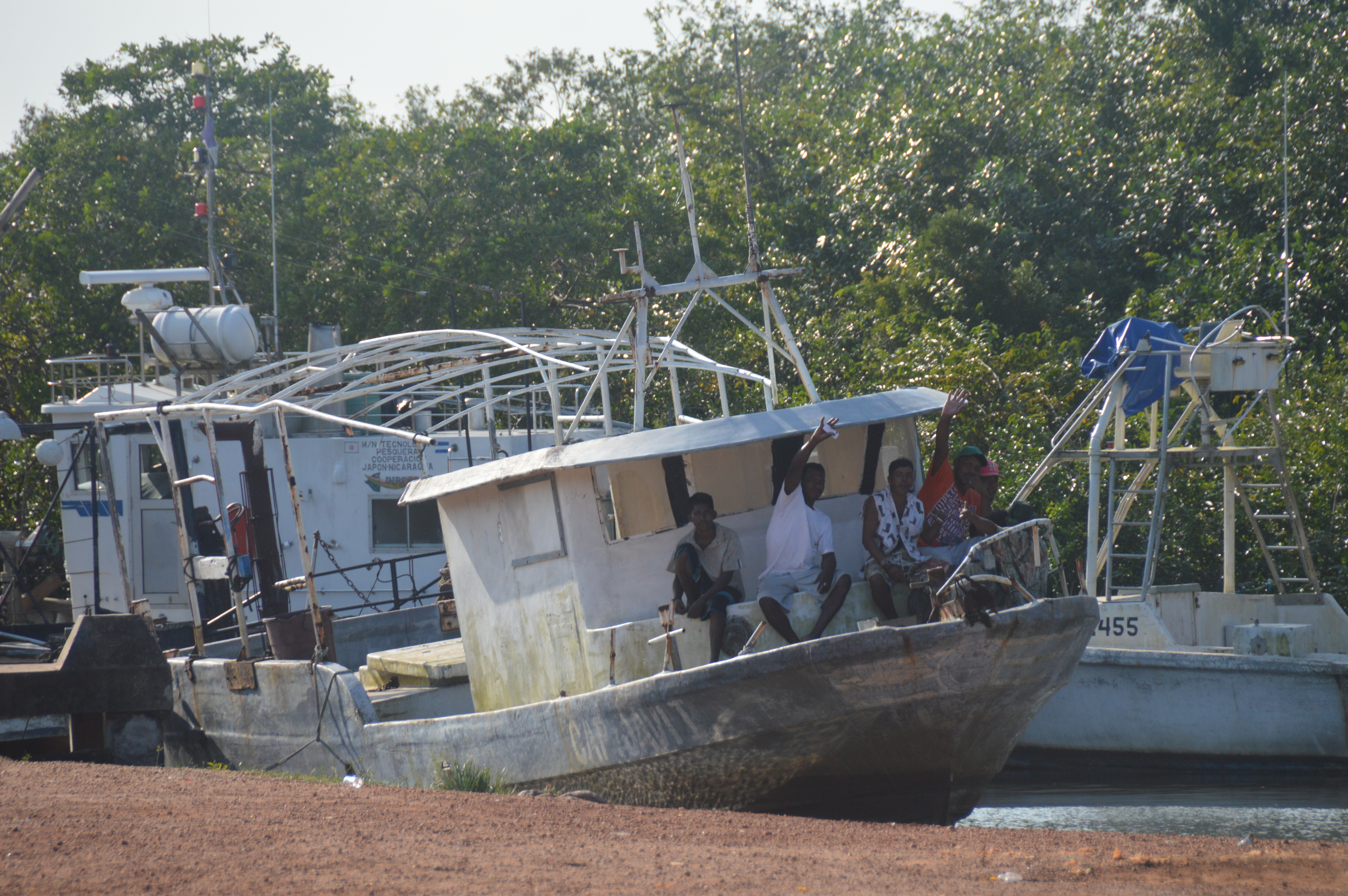
The taxi pulled up at a tiny port which contained two fishing boats. One boat had several hombres out front on its bow who were calling out to me in a rather raucous manner. I decided to head to the other boat and asked the more demure crew about pangas down the coast. When they learned that I wanted to get down to Bluefields, they told me there was a boat that left Puerto Cabezas every afternoon for Bluefields. I thanked them, waved adiós to the raucous crew then starting walking back down the main road until such time as another taxi passed which was going back to Puerto Cabezas.

DSC_0826

It was at this point that I realised that I had left my hat in the taxi I caught out here. With the sun beating down relentlessly, I continued walking hoping that it wasn’t long before a taxi would pick me up. Eventually a clapped out car picked me up and I immediately wished it hadn’t. Fuel fumes wafted through the interior and stung my eyes. There was nothing I could do but ride it out and hope it didn’t take too long to get back. I got dropped off in the middle of town and decided to stick to the main road to the pier in the vain hope that perhaps the taxi I had left my hat in might drive past and see me. After all it wasn’t a big town. Lo and behold, I had only been walking about 10 mins when my previous taxi driver roared to a halt next to me; my hat on his dash and a huge grin on his face. Happy days!

DSC_0816

Back down at the pier I enquired about the alleged boat to Bluefields. The hombre at the pier told me there wasn’t a boat anymore, only cargo ships. I asked if the cargo ships took paying passengers. Of course! But the last one left yesterday and the next isn’t due until the end of the month. My dreams of zipping down the coast by boat were slowly slipping away. Are there any pangas going to communities down the coast? No. What about that one? It’s gong down the river. One hombre took pity on me and rang an amigo who might be able to help me.

DSC_0815

Nelson was a retired container ship captain who had spent years at sea all around the world. He now lives in a modest wooden bungalow on the beach and owns four pangas which he rents out. We sat on a couple of hammocks under his house and discussed the possibility of chartering a panga to go down to Bluefields. I knew it was way out of my budget, but he had been summoned so thought I should at least enquire. ‘Business’ is not a speedy issue and a significant amount of fat needed to be chewed before getting a definitive answer. As I expected, it was way beyond what I was prepared to pay due to the distance and fuel costs, so politely declined and thanked him for his time.

DSC_0759

I since found out that though the government has been promising regular panga services to these remote coastal communities, they are slow to be implemented. I was surprised as even La Mosquitia in Honduras has regular (albeit daily) services and that is in the must remote part of Central America! Still, at least I had thoroughly exhausted all possible options to venture on by boat, so turned my attention to flying. Yes, there are flights from Puerto Cabezas to Bluefields. The next one is on Wednesday. In five days time! As the day was late and I couldn’t do anything more, I decided to wait until morning when I could go down to the airport and better investigate options.

DSC_0822

I wandered down to the restaurant on the sea cliff to enjoy a couple of sunset cervezas and dinner. At least if I was stuck here for a few days, it was a lovely spot to be stuck in. A sumptuous meal of lobster cocktail certainly sealed that deal. On the way home, the street lights went out so I pulled out my phone to use the torch so as to avoid the many obstacles in and on the road. A couple of boys were walking just behind me and caught up to take advantage of my beam. We walked companionably to the end of the road where they thanked me and turned off. I continued on and the lights reemerged just as I got back to my hotel.

Siuna – Puerto Cabezas

Rudely awakened at 4 am, I quickly got myself organised and was out the door within 10 mins. Tripped over a small step I didn’t see and and landed smack bang on to my bad knee. Fully laden with pack. Curses were uttered which woke the young girl up who was sleeping on a mattress near the front gate. She asked what happened and looked at my grazed knee sympathetically. I must admit I was more concerned about getting out and catching my bus, so as soon as the gate was opened quickly hobbled over to the bus terminal.
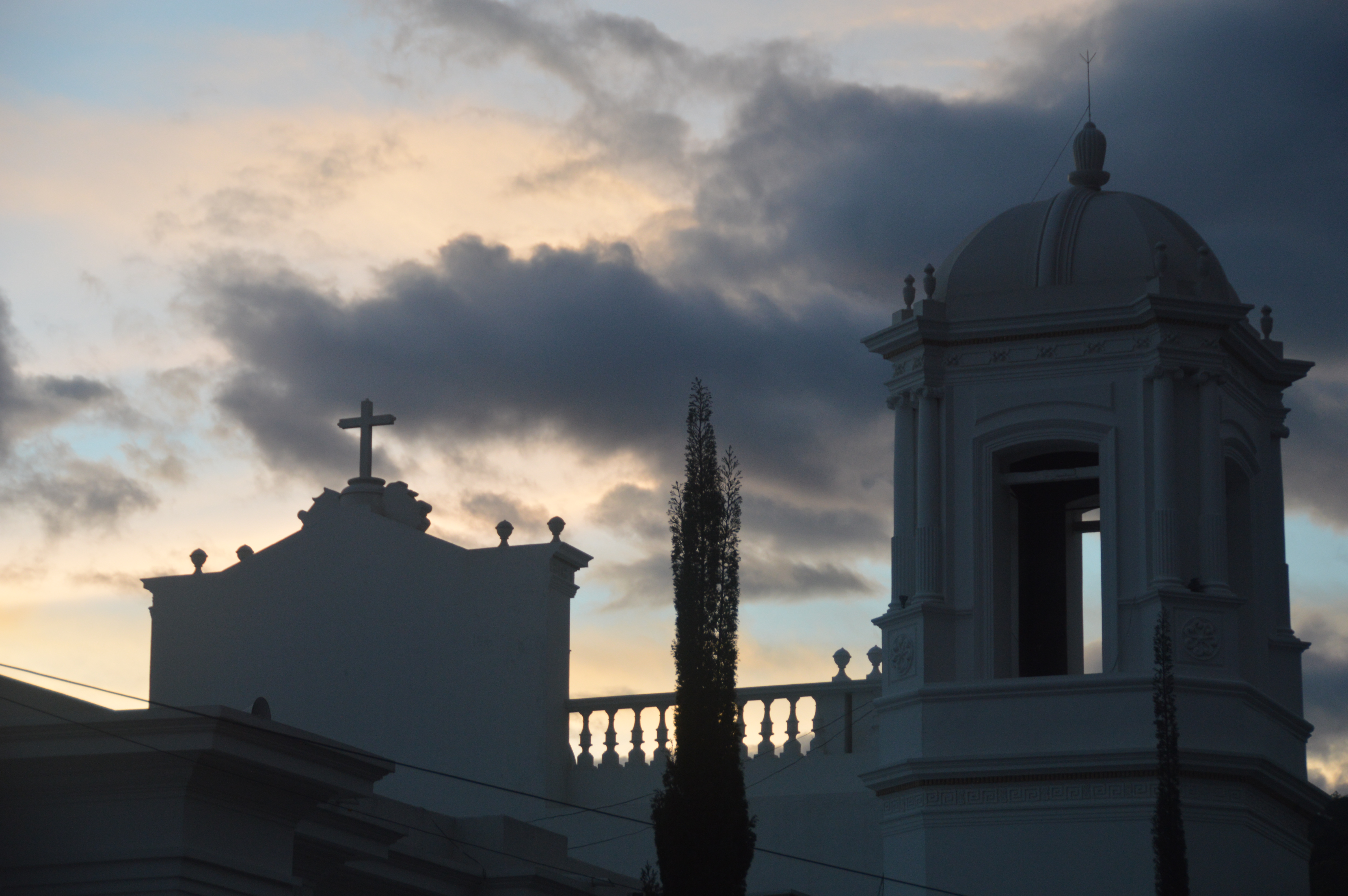
DSC_0722

My ‘wheels’ for the next 12 hours was already waiting and slowly filling up, but I managed to get a seat behind the driver where I would get a good view of the countryside. Shortly after 4.30 am, the bus slowly, but surely pulled out of the terminal and drove along the dirt road which was the middle of town. I could see very quickly why there was nowhere to eat the previous night as the pueblo was so tiny there was very little there apart from the occasional little tienda. The bus maneuvered around the numerous potholes and ruts and continued on out of town.
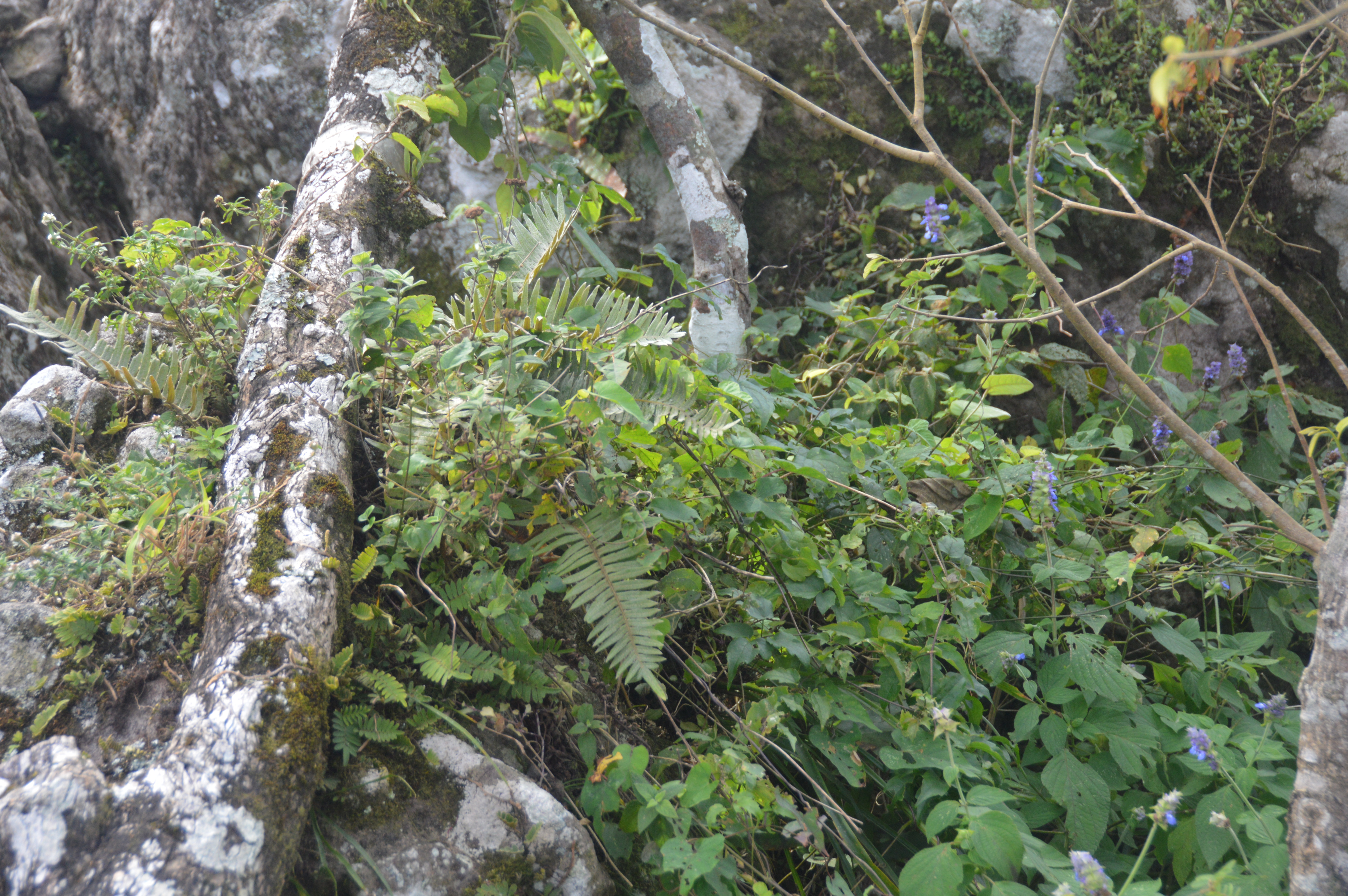
DSC_0668.JPG

The early morning chill set in and I pulled my sarong out of my pack to wrap around my shoulders. As the dawn slowly gathered strength, the countryside began to reveal itself in the form of low hills with tiny casas dotted within its folds. Lights were emanating in the gloom and the smell of freshly cooked tortillas pervaded. Life was stirring in this remote little part of Nicaragua. I snuggled into my sarong shawl and tried to remain awake, but the early start combined with the gentle rocking motion of the bus as it slowly negotiated the poor road made this impossible I found myself nodding off.
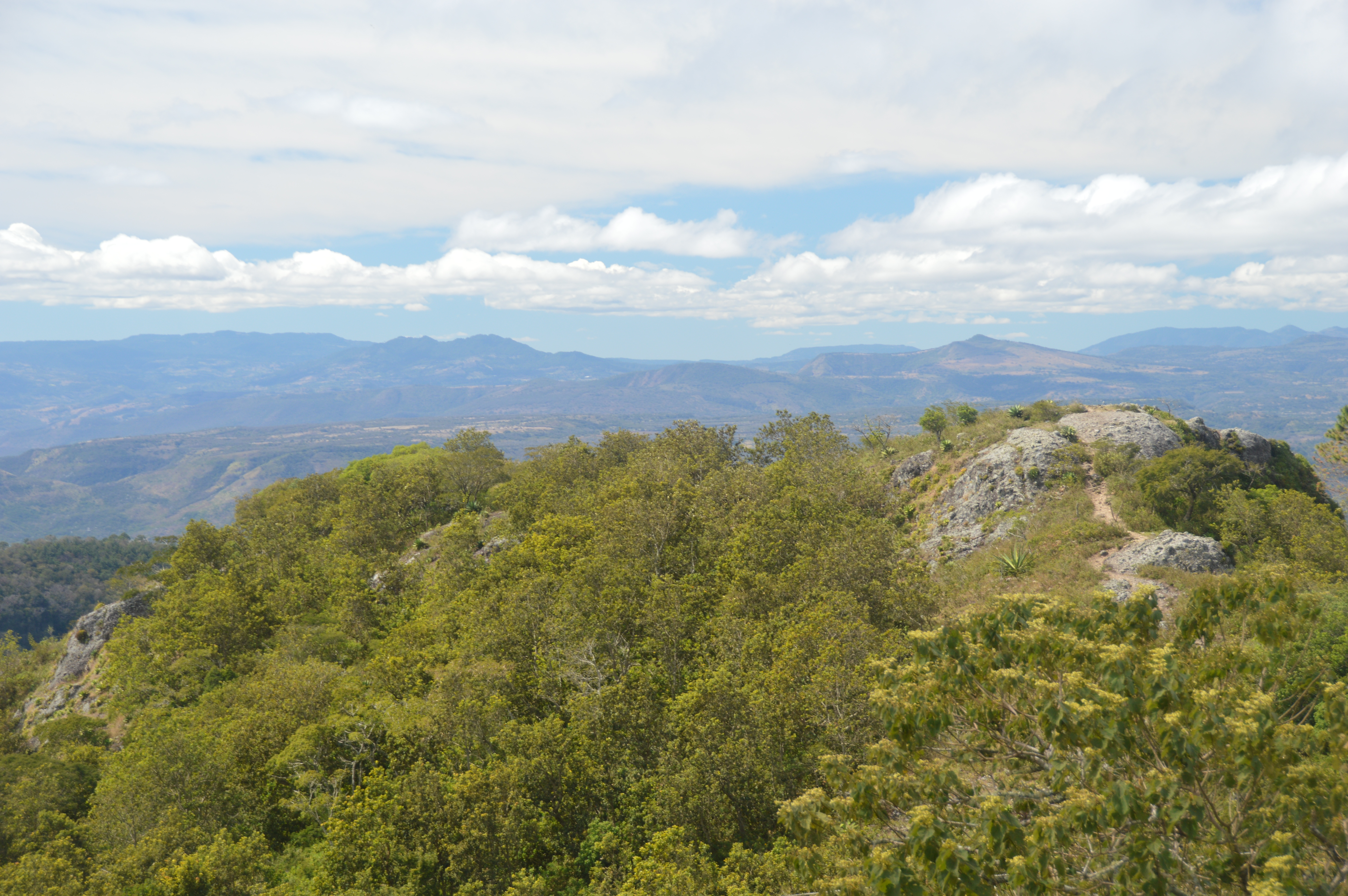
DSC_0663

I was startled out of my slumber by a jerking motion of the bus which nearly saw me deposited into the aisle. The señora next to me put her hand out to prevent me falling, but I awoke in time. This time for good! After a few hours of travel, the bus pulled over for a service stop. There was a little comedor where one could purchase a meal and baños out the back. It was good to stretch the legs for a short time before hopping back on board again. The little pit stop reminded me of roadhouses in remote parts of Australia – basic, but does the trick. And an array of different vehicles all stopped for the same purpose. In the middle of nowhere.
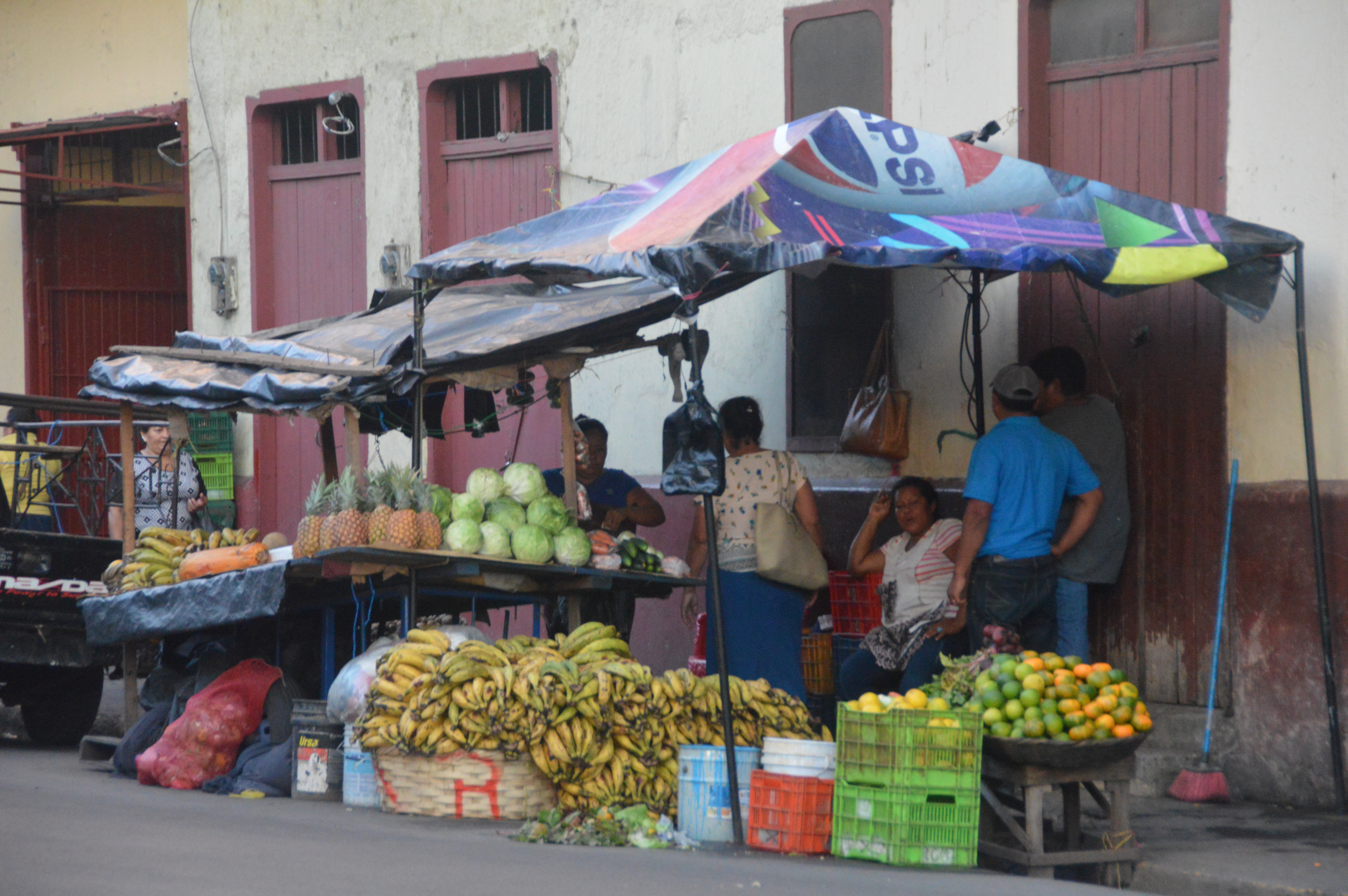
DSC_0716.JPG

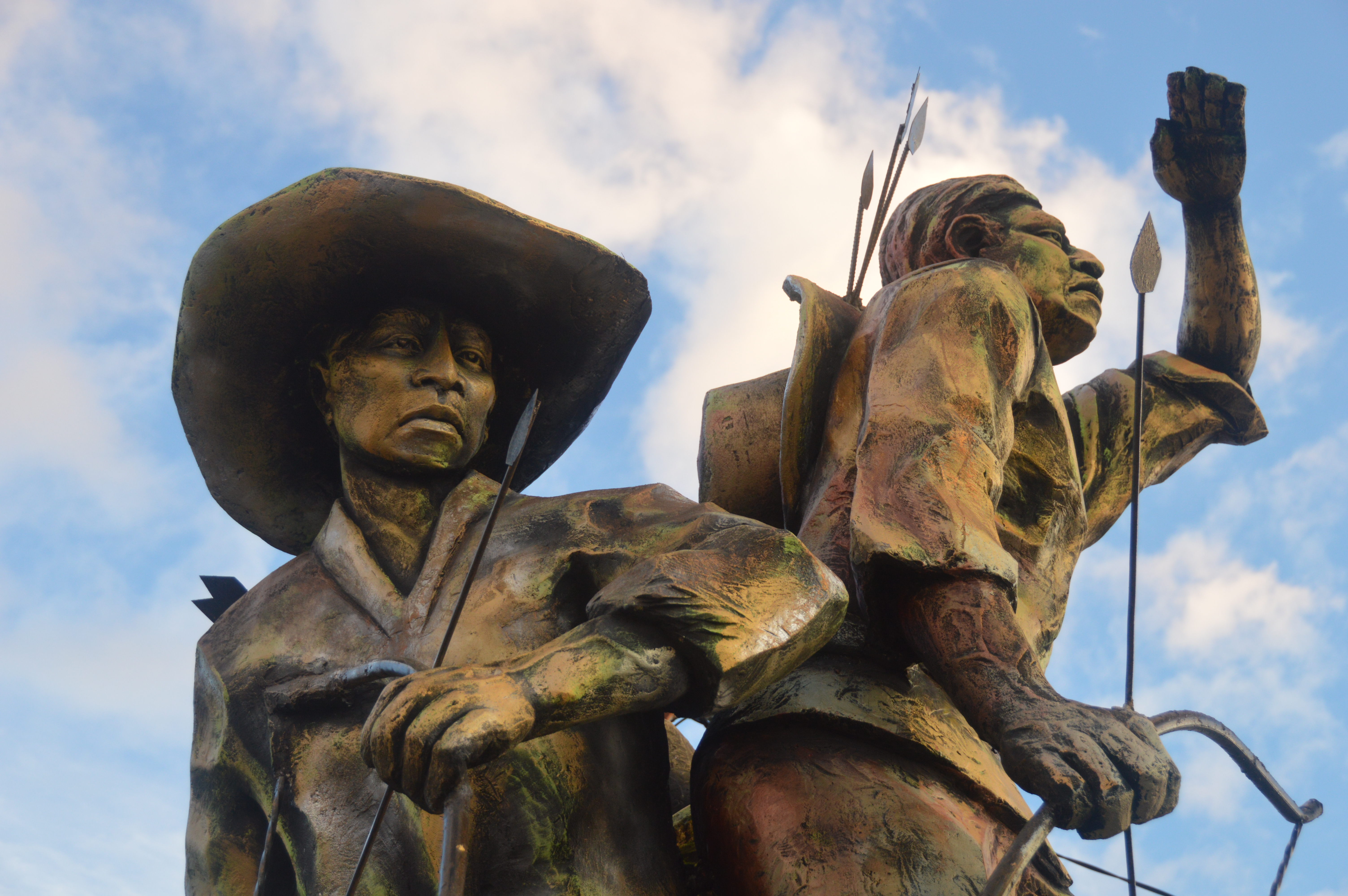
It was another few hours before we got to the tiny pueblo of Rosita. Rosita, Siuna and Bonanza (yes, there truly is a pueblo by this name…) form the mining triangle of Nicaragua. Early last century, immigrants from North America, Europe and China descended upon Las Minas to seek their fortune in the form of gold. Whilst some found their ‘El Dorado’ here in the picturesque hills, most left empty handed as is the case in most gold rushes. Those that made their way down to the emerging coffee plantations found a more sustainable fortune in the form of the little red cherries grown on the coffee bushes.
DSC_0709

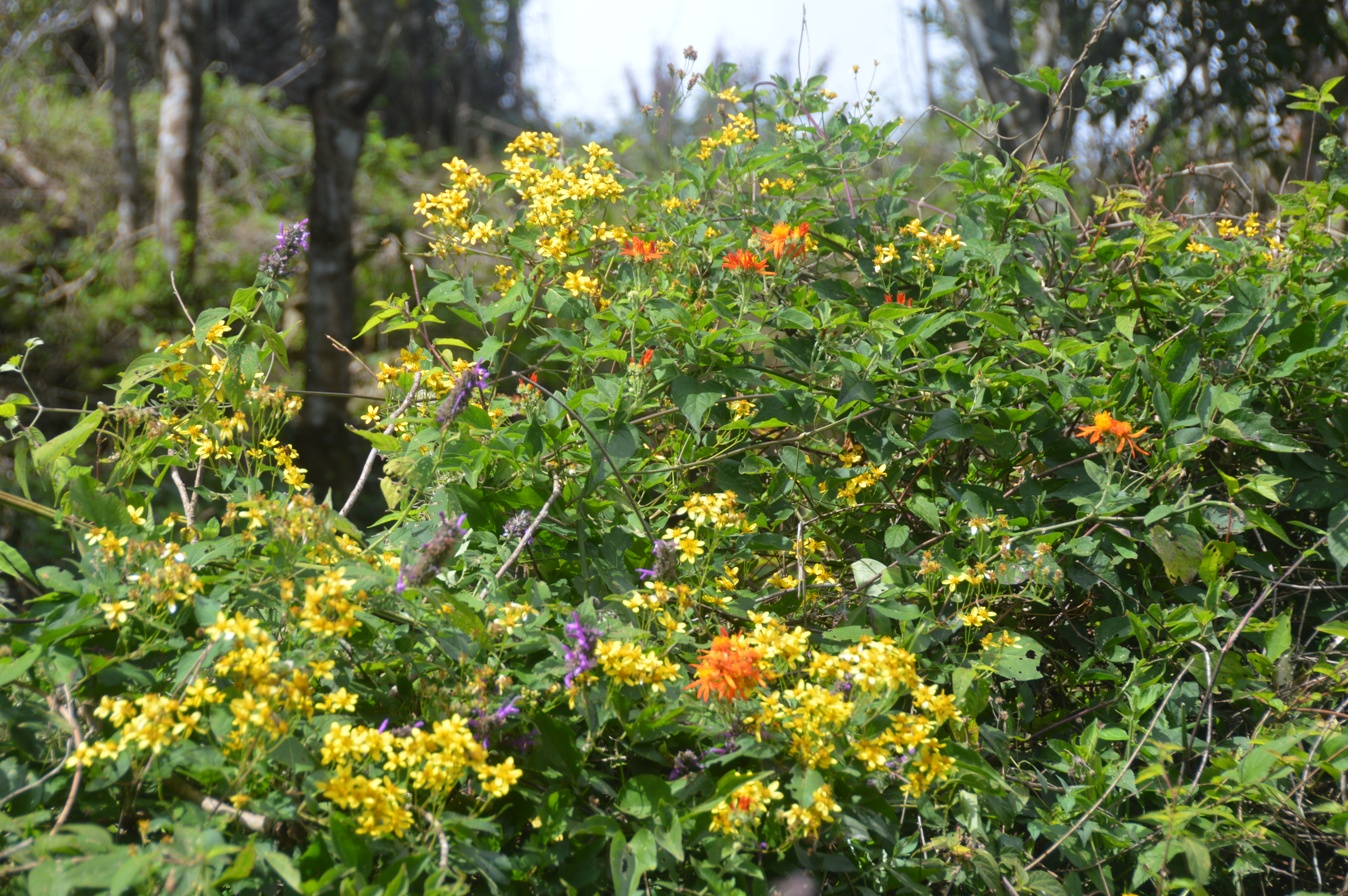
Another few hours on the road, we stopped again for a pit stop. This time there were two drop baños on the side of the road and a small tienda on the other side. The señoras queued for the baños whilst the señores got off lightly by relieving themselves on the roadside. Whilst waiting to continue the journey, I watched a señora cart buckets of water she drew from the stream at the back of her tiny wood slab casa. The usual assortment of farm animals were within the immediate vicinity of the casa and ambled unrestrained around its perimeter. It was as far away from the hustle and bustle of the bigger towns and cities as one could get.
DSC_0678

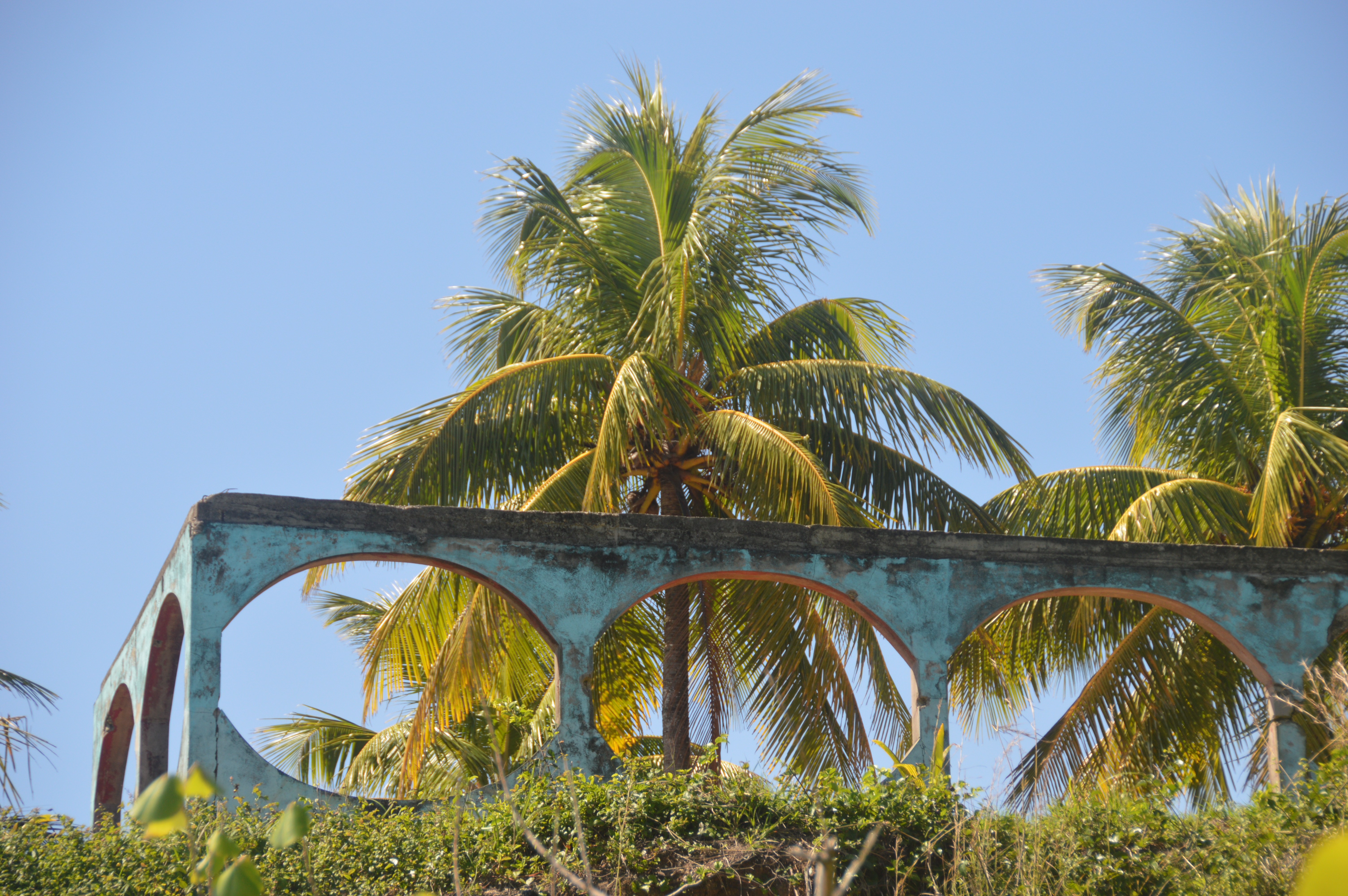
Back on the road for the last sector of our long trip and the end was nigh. I had been watching the three bus attendants with interest. This hard working trio were typical of bus attendants I had encountered throughout the country. Able to scramble up the steel ladder to the top of the bus like a troop of monkeys, run alongside the bus and jump back on as the bus gathered speed, port and load luggage with grace and good humour, and assist those passengers who needed it. I saw babies being carried for their mothers, young children helped up and down the stairs and the most beautiful of all – two attendants gently and patiently helping a frail señora through and off the bus as if she was the most precious of cargo.
DSC_0786

After a while the countryside began to change as we climbed down from the hills and came closer to the Caribbean coast. Gone were the eerie cloud forests and lush jungle, and a wide, flat savannah dotted with palm trees took its place. The tiny casas changed as well to more of the Caribbean style; on stilts to contend with the regular wet season flooding that the region experiences. We began crossing large, sleepy rivers meandering ever onward to the coast and had to stop at one for a barge crossing. I was surprised that everyone got off the bus for the crossing, but it soon became apparent why. On one entire side of the barge, were end-to-end tiendas selling a variety of food and drink. Once over the river, everyone walked off the barge and jumped back on the bus to continue on.
DSC_0827

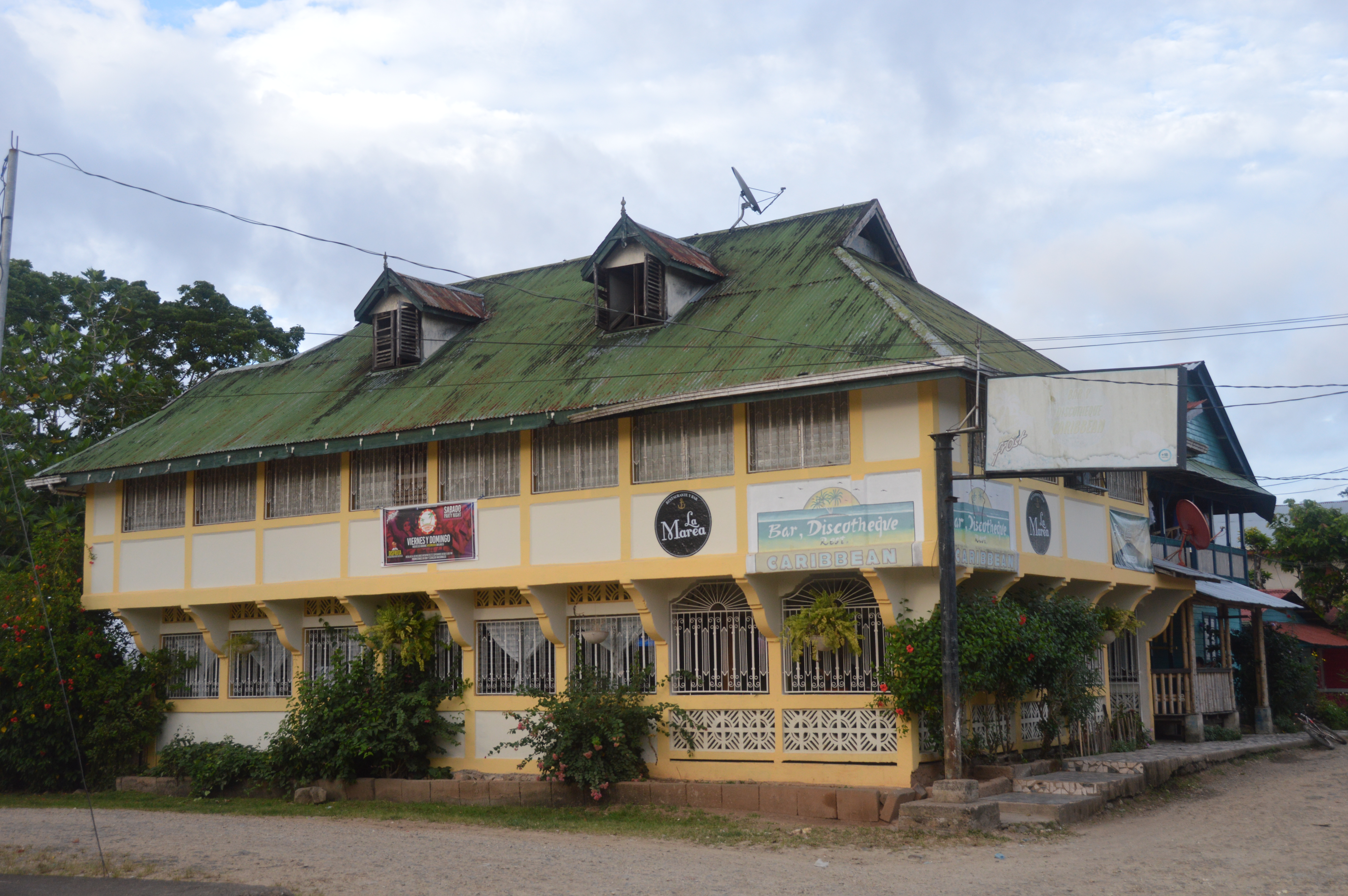
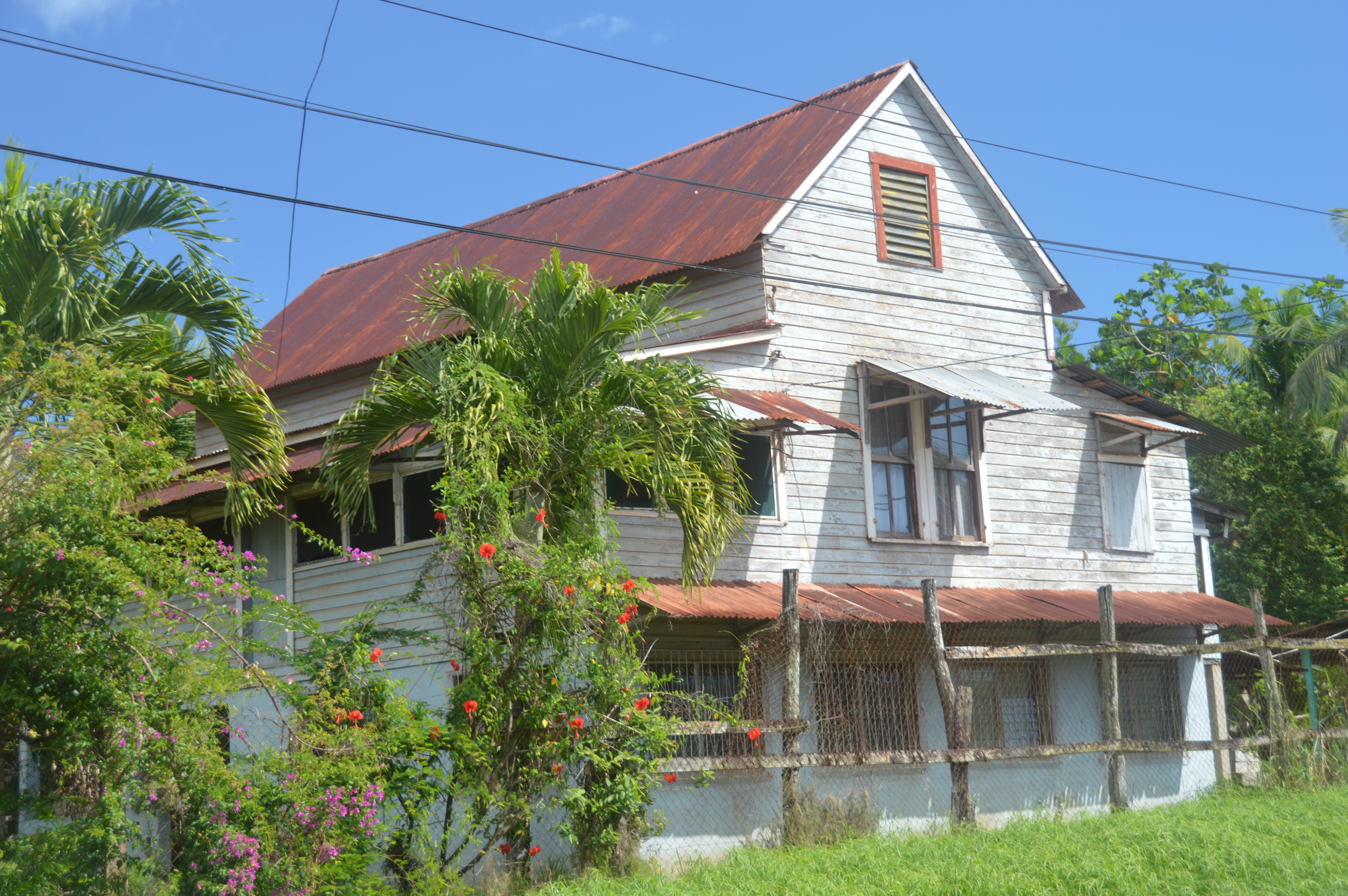
11 and a half hours after leaving tiny Siuna, we finally reached Puerto Cabezas. As always when doing a long trip with the same bus, I felt a kind of attachment to it and the crew. I gathered my pack, bid my adiós and checked maps.me for how to get to the hotel I had chosen out of the guidebook. It was about 3 km away but I was hoping the walk would help with the swelling in my knees. Puerto Cabezas is a typical Caribbean port town with just the right mix of skank and sketch stirred into this spicy soup of humankind. Clapboard shacks of various faded hues lined the gravel road and children and dogs played in their compacted dirt yards.
DSC_0726

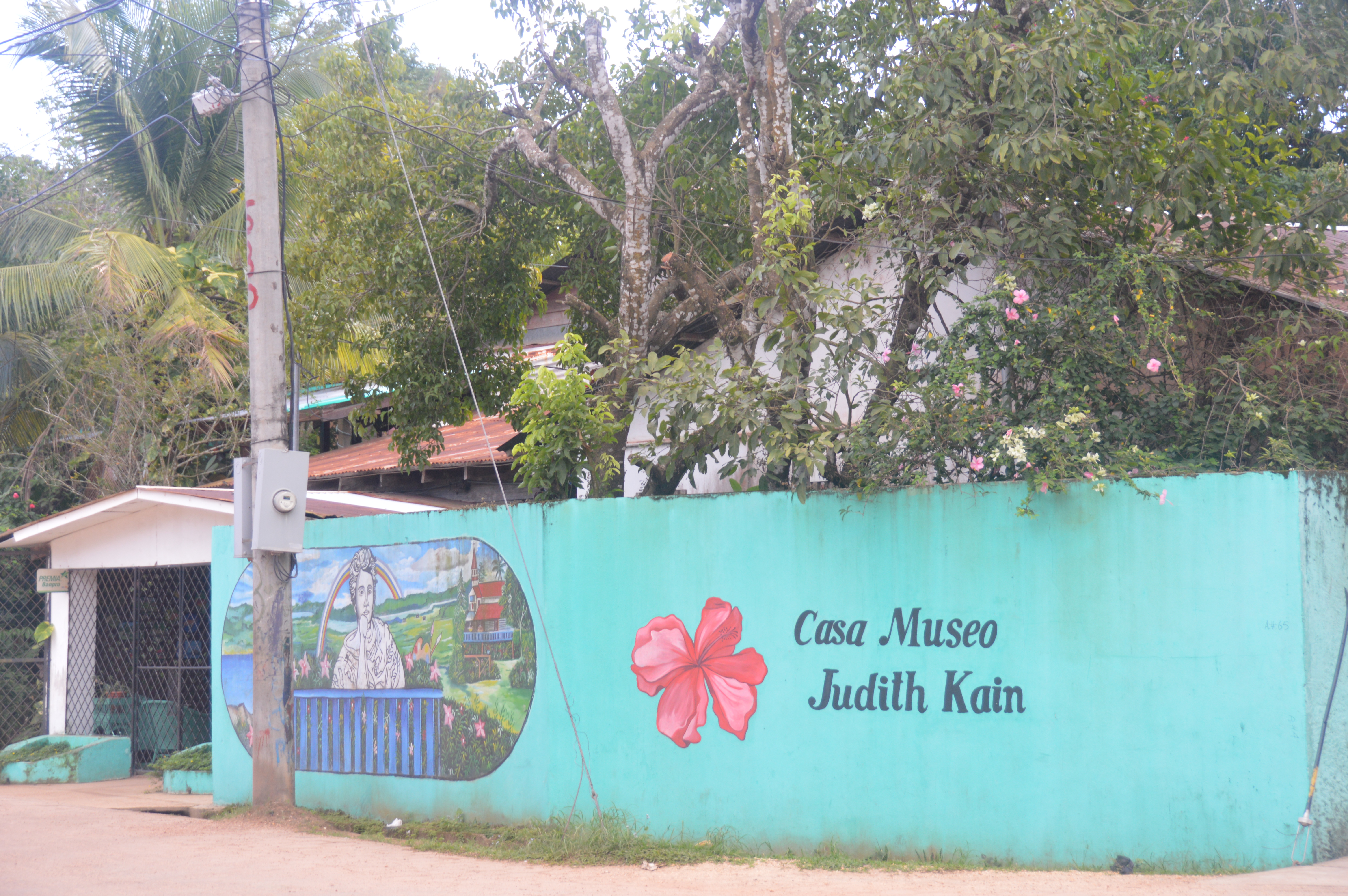
Casa Museo Judith Kain had a lovely room within my budget and I gratefully took it. This little set up was the former home of prominent local artist, Judith Kain. It has since been turned into a museum featuring some beautiful antiques and many works from the late artist. Accomodation has been created in the upstairs rooms of the large casa and also in two adjoining casas. All set within pretty gardens and attractive sitting spaces. It was just the thing after my two long days of travel!
DSC_0725

I spent what remained of the afternoon washing, then walked to try find somewhere for dinner. A lovely little upper story restaurant with views to the pier grabbed my attention and I hobbled up the steep steps. I decided upon the fish soup in coconut milk and was not disappointed. Just the thing to welcome me to the Caribbean and I looked forward to sampling this delicious local dish again whilst here.

Matagalpa – Siuna

After a tasty breakfast and good coffee at the hostel, I tramped back up the hill to begin my long overland trip to the Caribbean coast. I knew I had to catch a bus to Rio Blanco and from there, another to Siuna where I planned to spend the night and continue the last 12 hour leg the following day. I managed to get a half decent seat and sat back to enjoy the beautiful countryside roll past for the next four hours.

DSC_0670

In Rio Blanco, the bus pulled up at a small, squalid terminal which in no way reflected the beauty of its setting. The only other bus at the terminal had Siuna painted on its front and I confirmed that was its destination before hopping on. I misunderstood when the bus was leaving so had sat for some time in my cramped seat before realising we weren’t leaving anytime soon. I did the Central American seat reservation with my jacket and water bottle and jumped off to straighten my legs while I still could.

DSC_0686

Eventually it was time for the bus to pull out and about half an hour down the road I was informed that this particular bus wasn’t going to Siuna, but to Mulukuku. Despite me checking in Rio Blanco! I seems that if a bus is heading in the general direction you want to go, you get on and jump off to connect to another bus. And that, good folks, is why it takes forever sometimes to travel places on local transport. There wasn’t much else to do but sit back and enjoy the passing countryside until I had to get off.

DSC_0681

We pulled into a small pueblo and this evidently was where I needed to get off. My next bus to Siuna was patiently waiting on the side of the road on a most intangible angle for getting on, fully laden with pack. I found out I needed to wait another hour before it left so went to seek out a baño. My queries left the locals in the tiny roadside tiendas bemused and eventually led me to an old señora who agreed to let me use her loo. I followed her across the small wooden planked room to a door where beyond lay a steep set of stairs leading to a small backyard. The señora told me to go down the steps and the baño was at the back of the yard. I carefully stepped past pigs snuffling in the thick mud and ducked under a washing line, laden with damp clothes to find the tiny drop baño atop a wooden ledge. No door was available to offer any privacy, but one couldn’t be choosy under such circumstances. I did what I came to do, then pushed away the fat pink pig who came up to investigate. Ducking back under the washing line and managing to avoid the worst of the mud and getting eaten by pigs, I returned to the street relieved. I gave the señora some Córdoba for her kindness and continued my wait.

DSC_0702

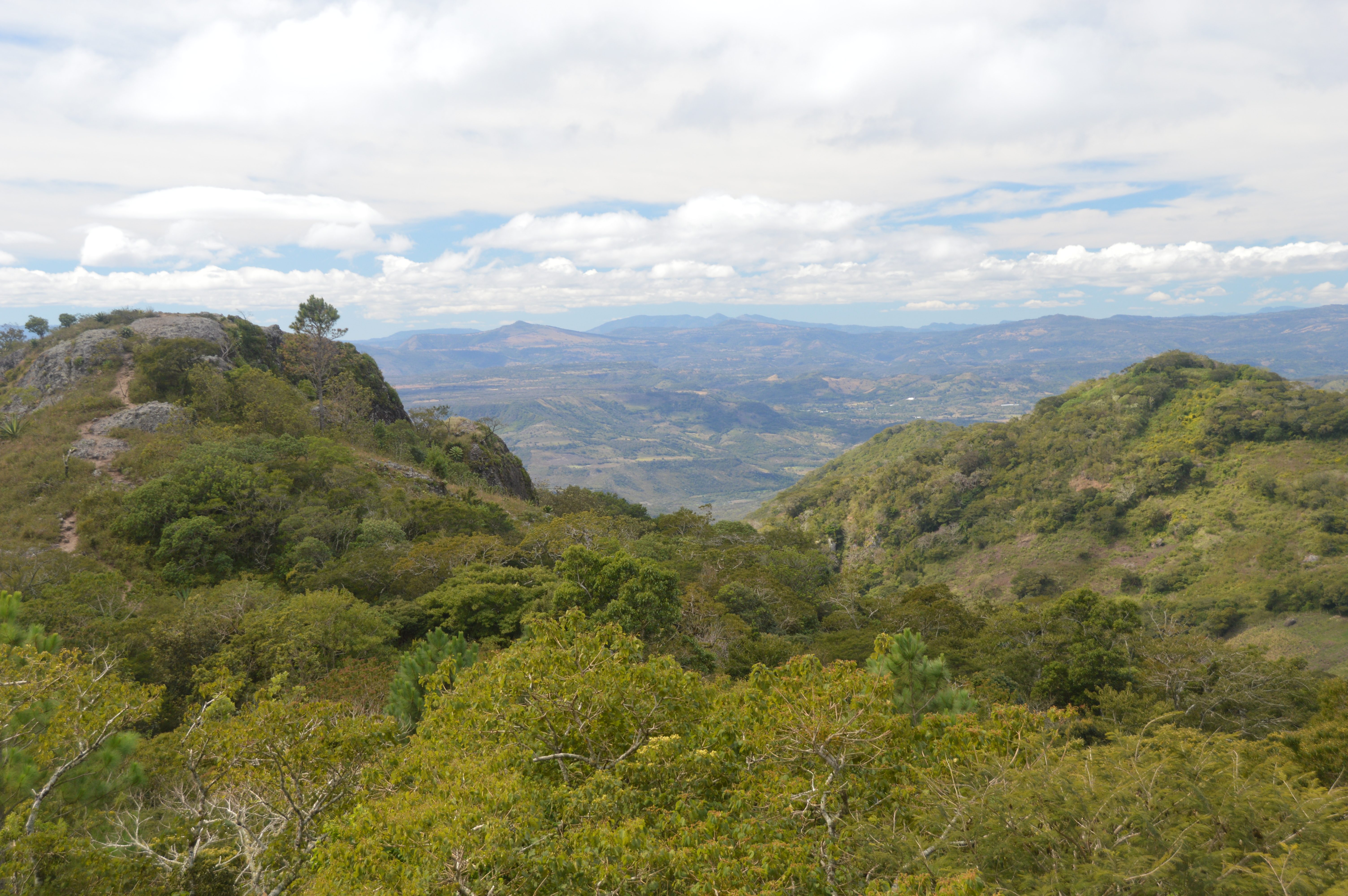
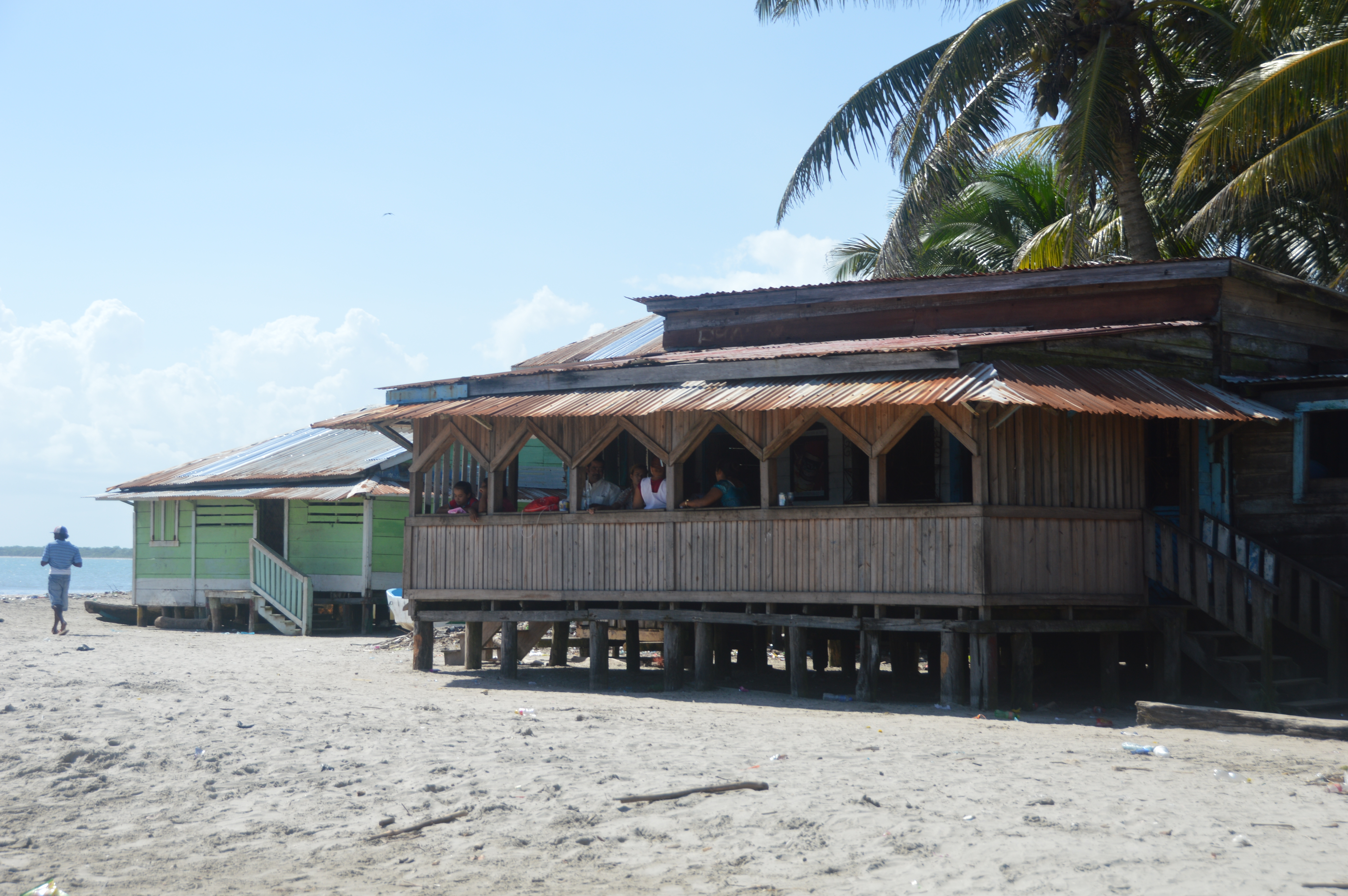
It was eventually time to leave this quaint little pueblo and continue on the next leg of my journey. As we drove deeper into the Cordillera Isabelia the vistas from the bus window were reward enough for the long journey. This is one of the most remote parts of Nicaragua and poverty and subsistence is a way of life for many of the people who live here. The condition of the road reflected the lack of infrastructure developed in the region and it was a slow journey to Siuna.
DSC_0658

It was dark by the time we eventually arrived at my day one destination and I made enquiries as to my final long leg the next day. I approached a trio of señores at a small wooden counter and asked about the bus to Puerto Cabezas. They were not very receptive to assisting me and I had to wait patiently while they had their conversation to continue with my query. It turned out that the bus I needed left at 4.30 am so it would be a very early start in the morning. I enquired about nearby hotels and was told there was one out the front of the bus terminal.

DSC_0656

I walked out and over the road and found the little hotel. The first room they showed me was a 2 x 3 m cell with no fan for USD6.50. It was a hotbox so they took me to another which was USD10 but had a fan and a bathroom of sorts. There was no restaurant attached the hotel, nor was there anywhere to eat in the little pueblo. I got some water for the following day, had a wash in the metre high tap in the bathroom and had an early night ready for my 4 am start in the morning.

Jinotega – Matagalpa

I had breakfast at my hotel and was pleasantly surprised to find it was ‘on the house’. A walk to the bus terminal I needed saw me land at one of the fanciest in the country. I had time for coffee before I left, them hopped on the bus to Matagalpa. The route between the two towns was spectacular as it ran in between three different reserves which had tiny pueblos nestled on the fringes. As this was coffee country, tiny coffee plantations clung to the side of the hills in varying stages of cultivation. All overshadowed by magnificent cloud forest stretching out for miles.

DSC_0683

The bus pulled into the southern bus terminal and I took the opportunity to get information about my planned overland trip to Puerto Cabezas the following day. This trip is not talked up in any way in the guidebook which is probably why hardly anyone takes it, but I was determined. I knew I could catch a bus to remote Siuna and from there another to Puerto Cabezas but needed to check the details. I eventually found a señora who was able to help me out and wrote down some information for me including the name of the terminal I needed to catch the bus from.

DSC_0700

I then walked up the hill following the river to the Parque Central from which my chosen hostel was close to. Martina’s Place was an excellent choice – clean, comfy and free breakfast included in the price. I dumped my pack, then walked up to the terminal I needed to go to the following morning to check the information I had been given at the other terminal. A lovely señor at the information office was extremely helpful and I felt confident I would be able to get all the way to Puerto Cabezas as planned in two days.

DSC_0720

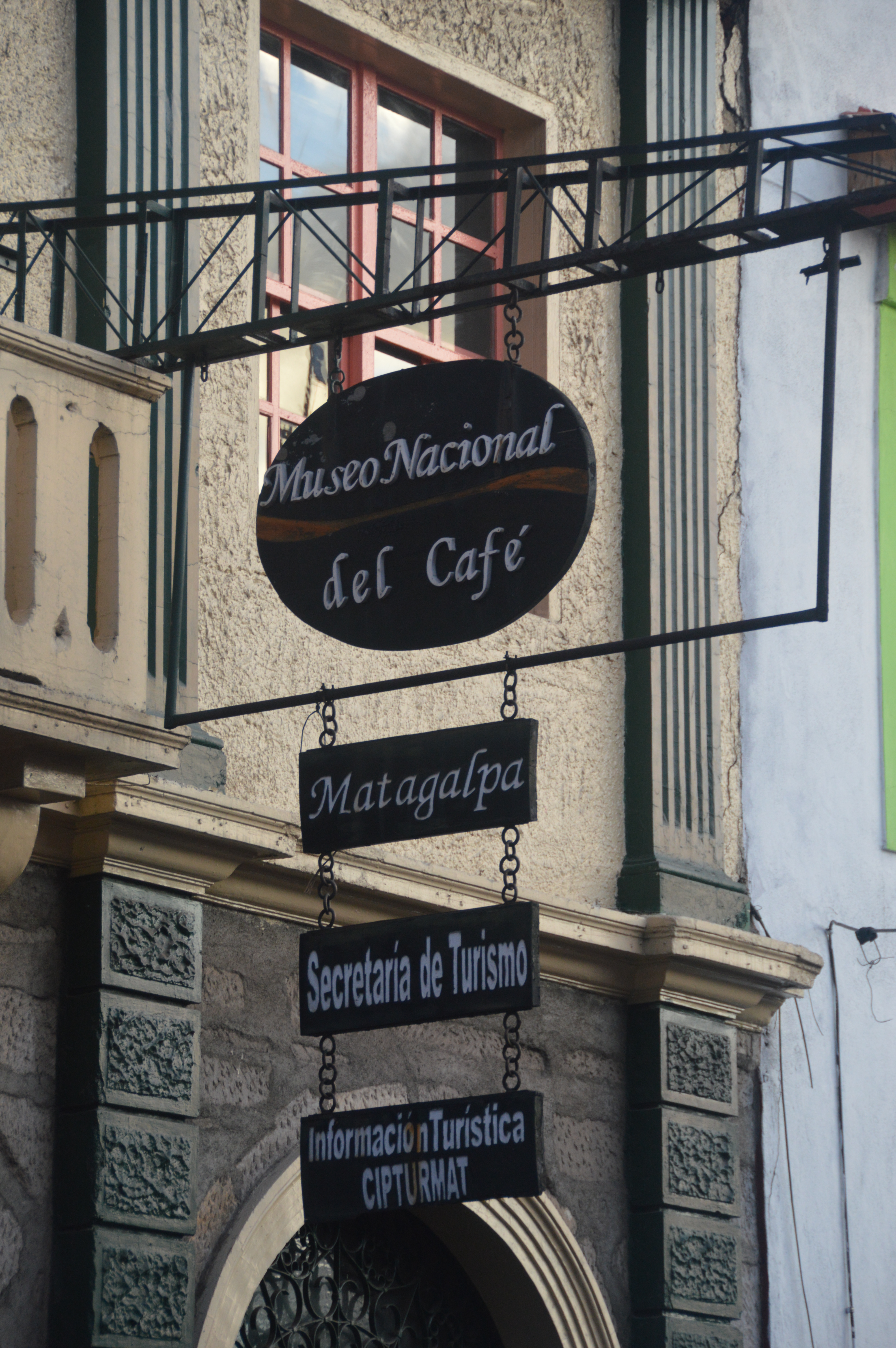
I had time to visit the Museo de Cafe, so headed to the part of town it was located in. This little museum outlined the steps involved in coffee growing and processing and provided a very interesting history of the town from right back to its indigenous inhabitants to when the first German family arrived in the late 1800s and decided to plant coffee. Other German families followed suit and Matagalpa’s coffee industry was born. It wasn’t easy for these early pioneers though as they originally sent the coffee cherries back to Germany for further processing which resulted a much spoiling on the voyage. Eventually, one of the migrants invented a machine to dehusk the cherries and things went swimmingly thereafter. Matagalpa is now one of Nicaragua’s major coffee producing regions.

DSC_0704

It wouldn’t be Nicaragua without some political message proudly inherent in the display and this little Museo had a big one. After the coffee crisis of 1999, many plantations went under and tens of thousands of workers lost their jobs. This led to a widespread diaspora from the region to the bigger cities and many former farmers and their families starved to death. Eventually, the workers formed a union and set up a road block on the Pan America Hwy in protest demanding food, work, education, health and land. The government at the time (not the FSLN) did little to alleviate the problem, however, a truce was eventually made after three years. According to the signage at the Museo, it wasn’t until the FSLN came back into power that thing really started to rectify themselves. A more believable message though, was that the coffee growers are only getting a tiny portion of the income produced by their crops, with global giants such as Nestle taking the giant share.

DSC_0724

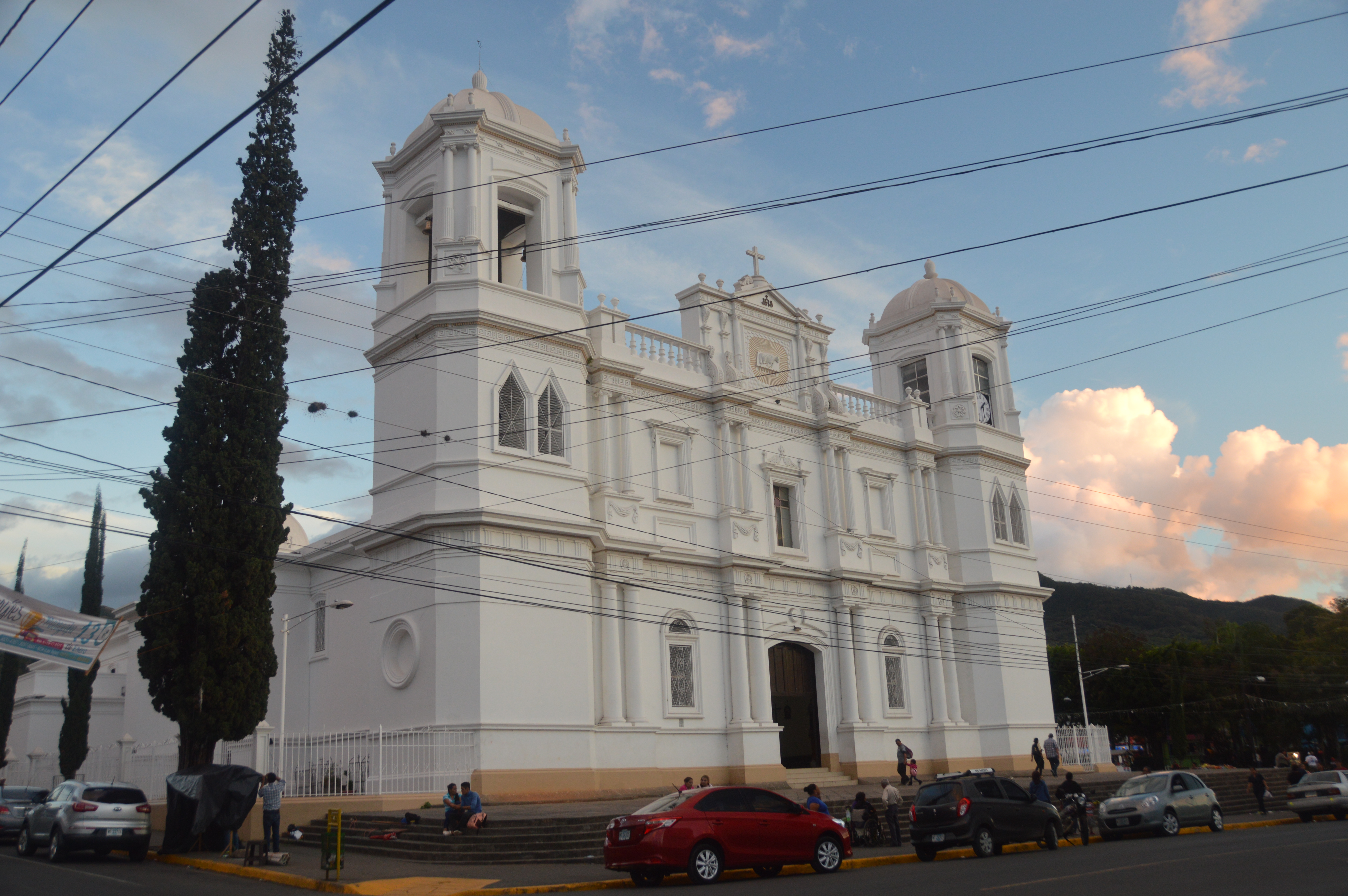
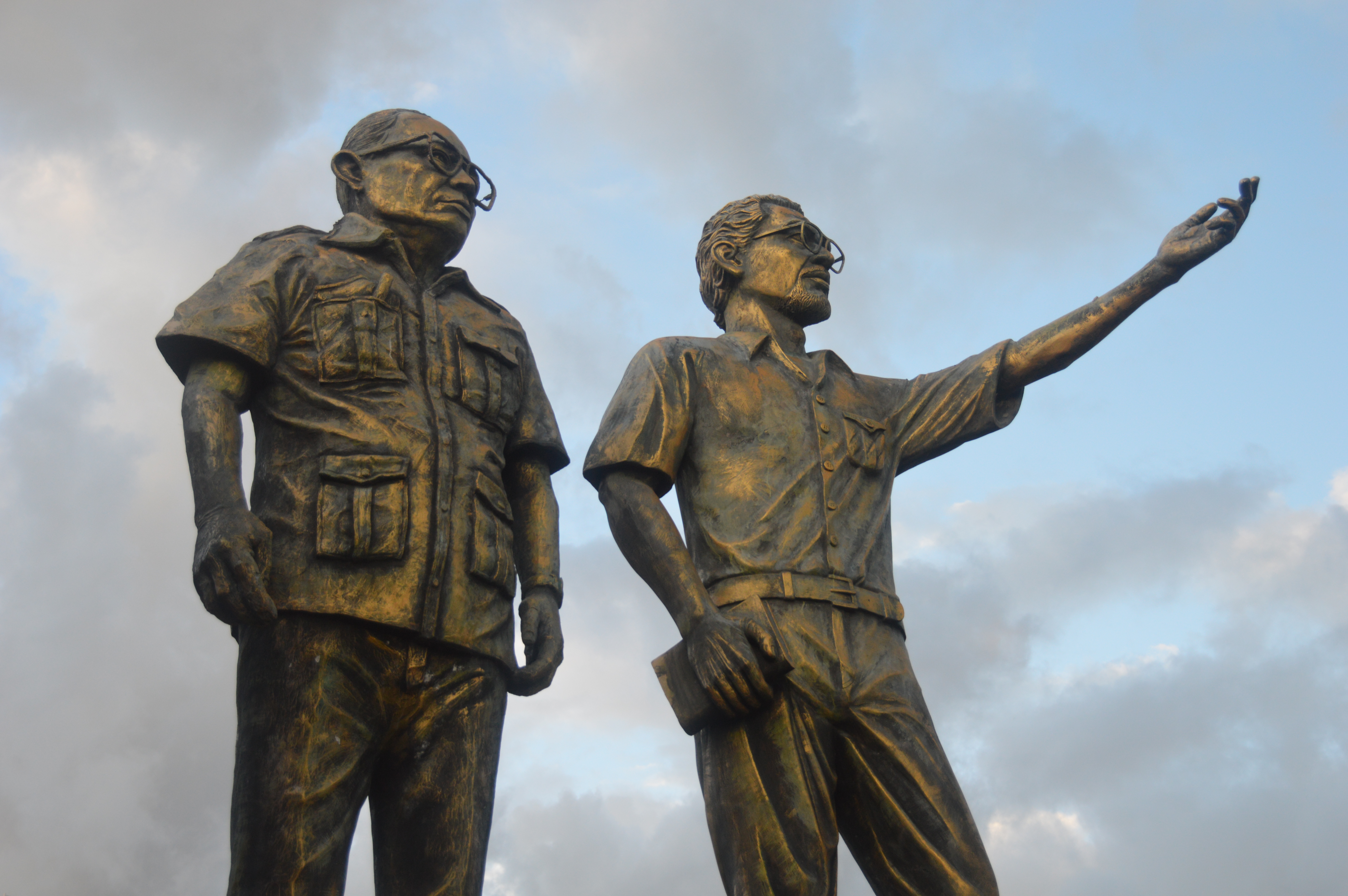
Armed with my new found determination to buy only free trade coffee when I return home, I continued wandering around town. Matagalpa was where Carlos Fonseca, martyred FSLN commander, was born and his presence is felt throughout the town. A bronze statue depicting his image is proudly and prominently erected in Parque Central and the facing Police Department building bears his name. When one learns that he grew up impoverished in a tiny shack with his mother and four siblings, it is little wonder that his political leanings tended towards revolutionising the people towards a socialist state. I still wonder, however, what he would have thought about the way things have turned out for his country with a significant percentage of the population still desperately poor.

DSC_0705

Back at the hostel, I got chatting to a Dutch girl who had spent the previous few months doing an internship in Granada as part of her nursing degree. She was telling me that polio is still prevalent in Nicaragua, although the vaccine is available here. She told me about a 22 year old patient she had who could only move her eyelids and who would eventually die. Of course, no money has gone into developing more effective polio treatments since the vaccine proved so effective 50 years ago, so contracting the disease often remains a death sentence. Her insight into the Nicaraguan health system did not surprise me, but certainly made me grateful to be living in a developed country with access to quality medical care. We ended up going out to dinner together and had a lovely evening swapping stories. I find I always meet interesting people on the road. That’s one of the great benefits of travelling.