Penonome – El Valle

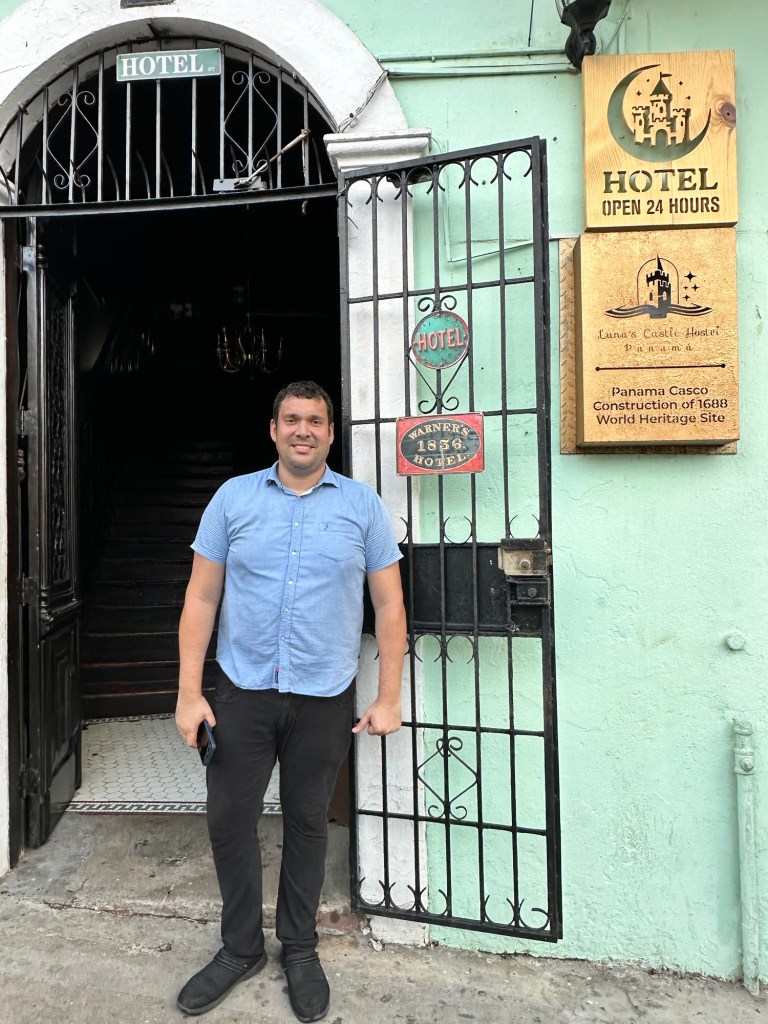
The señor that checked me in last night was out front when I went to leave so I assumed he lived somewhere on the premises behind one of the few doors I didn’t have a sticky beak in last night. I asked where the bus terminal was to catch a bus to El Valle and he kindly offered to drive me there.

Penonome

Crossing the Pan American Highway is an adventure in itself. Multitudes of vehicles ply its many lanes and there are no traffic lights. It’s a matter of seizing the opportunity to speed through a gap in the traffic to get to a merging lane on the other side. Then, after you’ve driven past your intended destination which happens to be back on the side you’ve just risked life and limb to leave, you move into an exit lane and repeat the procedure. All going well, you arrive with organs intact.

Penonome

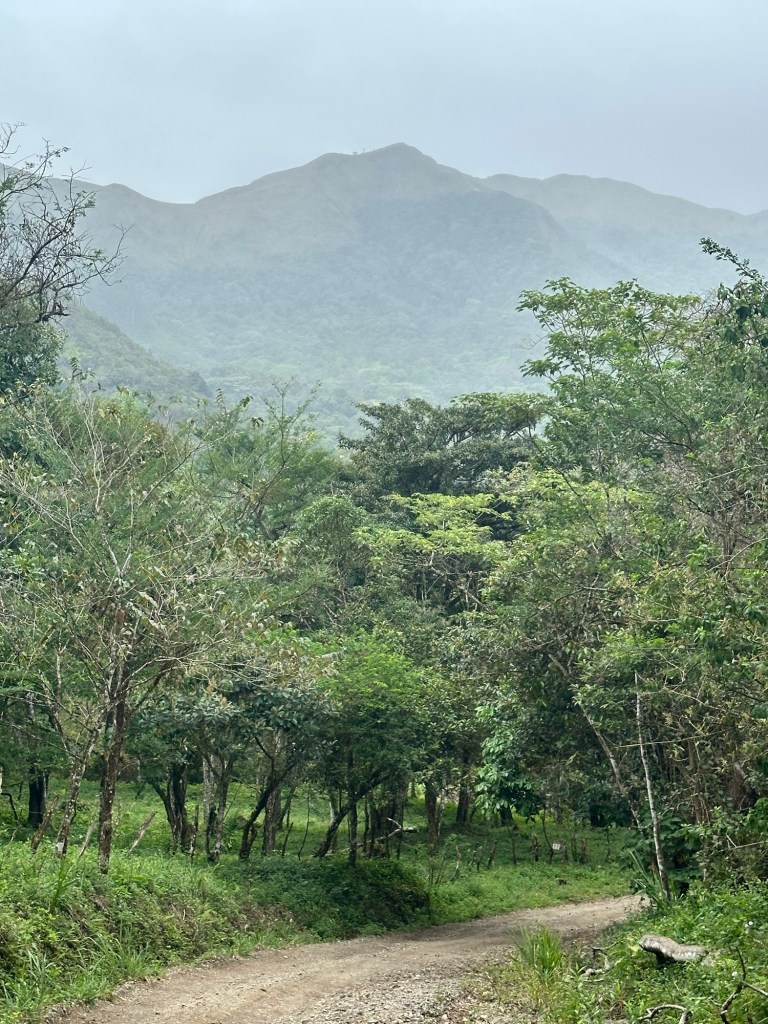
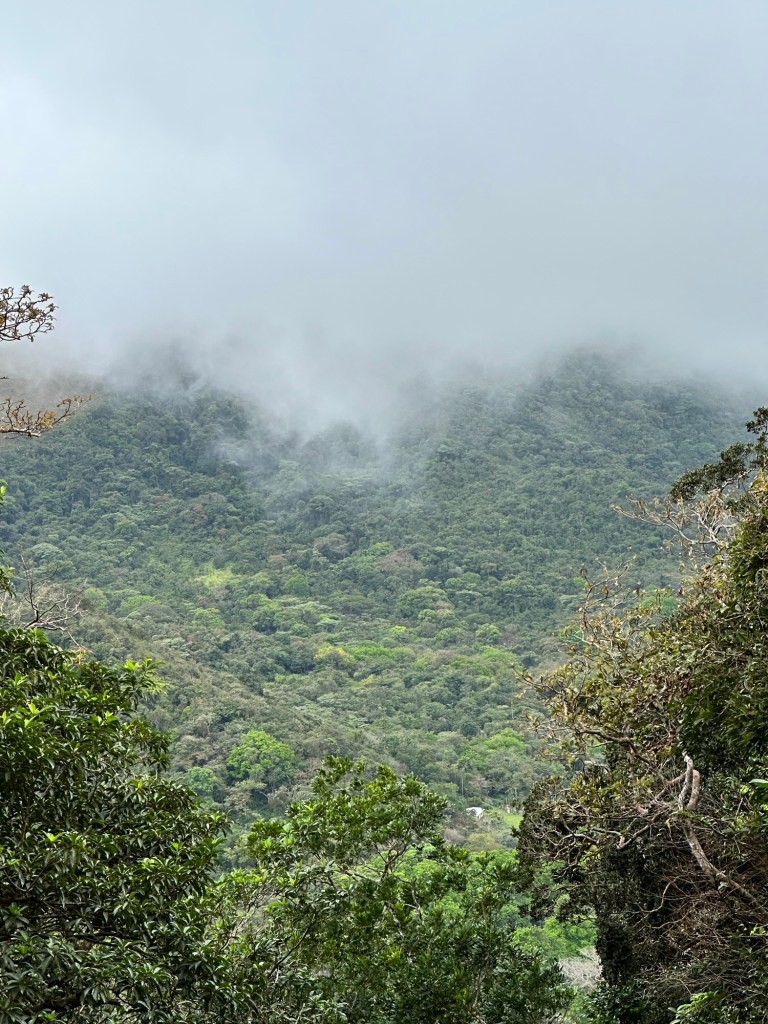
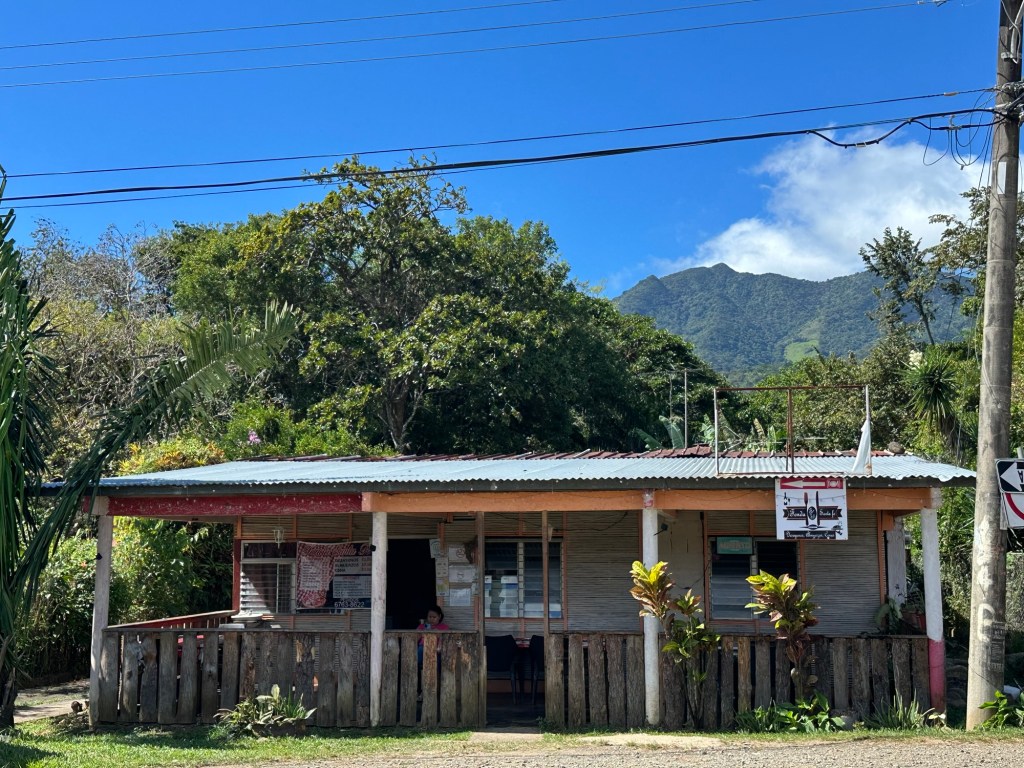
The most direct route from Penonome to El Valle happily encompasses a narrow road which winds its way up through verdant valleys and lush cloud-forested countryside. The route is slow, which gives plenty of opportunity to take in the scenery.

El Valle

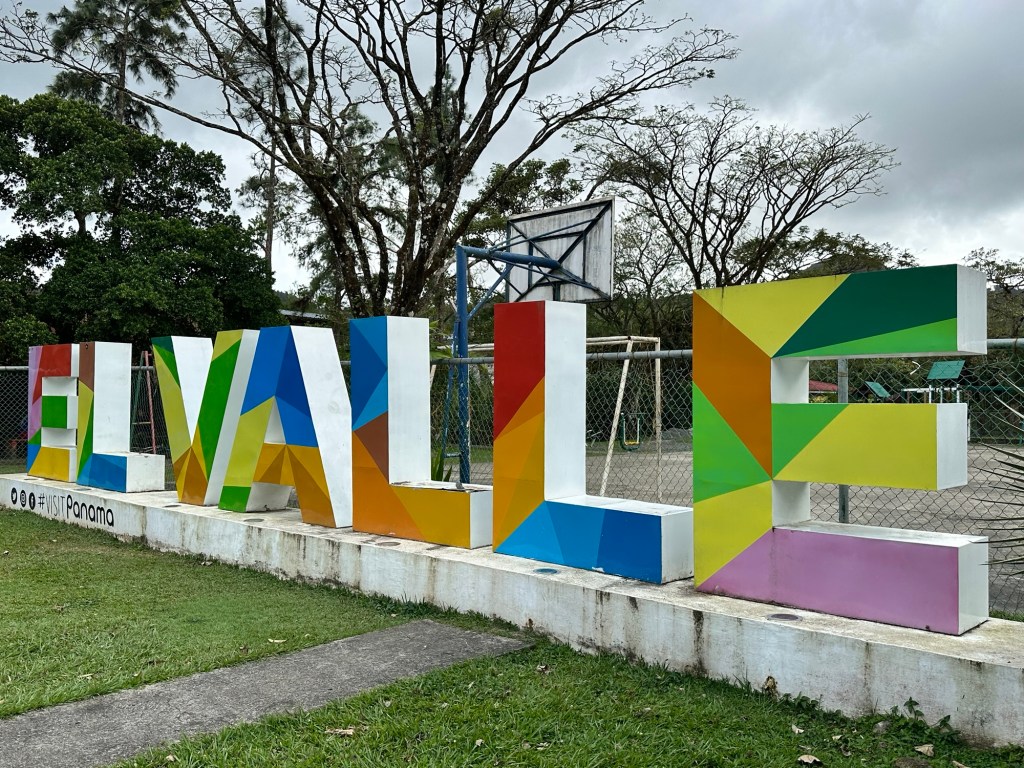
El Valle has the distinct claim of lying inside the remains of an extinct volcano. About 300 000 years ago, the volcano in question blew its stack. Quite literally. And left behind a 6km crater which gradually filled with rainwater to form a large lake. To the dismay to any duck in the vicinity, it then developed a crack and drained away. This, in turn, left something far more manageable for the local indigenous folk to put their shoulder to. Add a Spanish colonial incursion a couple of hundred years ago and you have the quaint little town of El Valle de Antón.

El Valle

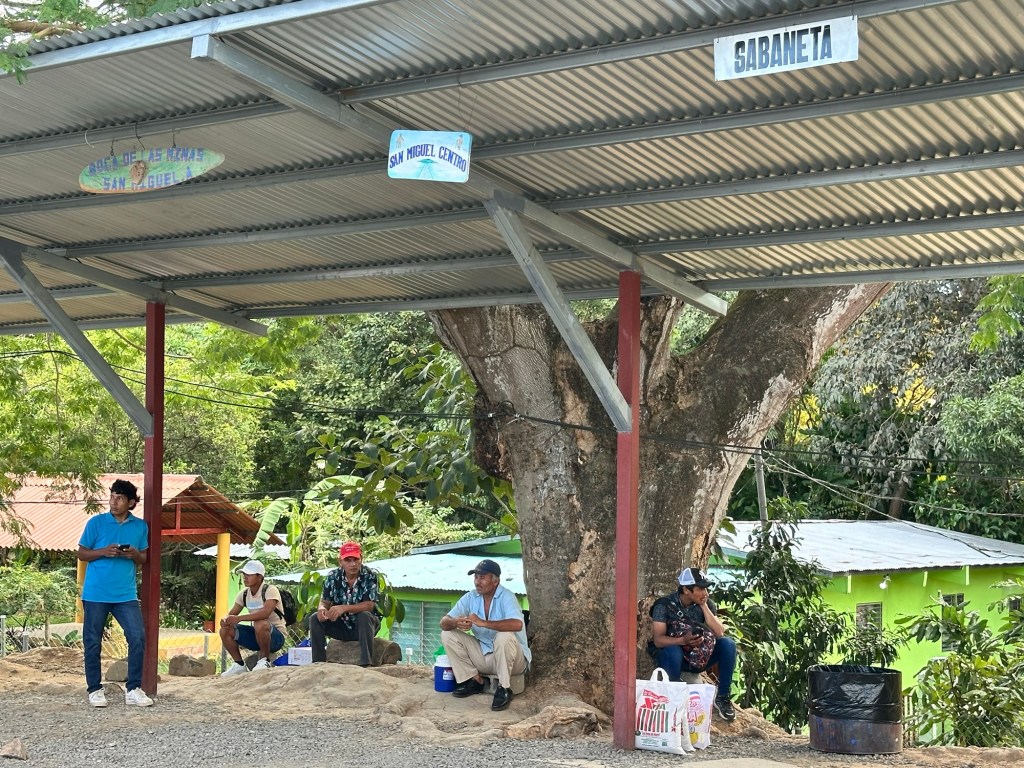
I got dropped off outside the local market and wandered off in search of coffee. I hadn’t manage to book any accomodation online as one of the hostels only had room for one night, and the other one was reportedly infested with bed bugs – I do draw the line somewhere! I thought I’d try my luck with the first hostal, but alas the story remained the same. Still unsure what to do, I decided to enquire about a hotel above some shops in the main street. To my surprise, I was offered a really nice room with ensuite for only $45pn, so decided to treat myself for a couple of nights.

El Valle

Accomodation sorted, I decided to wander up to the visitor centre where I found an informative and attractive display of the region. It was getting too late to attempt any of the walks so decided to put that off until the following day.

El Valle

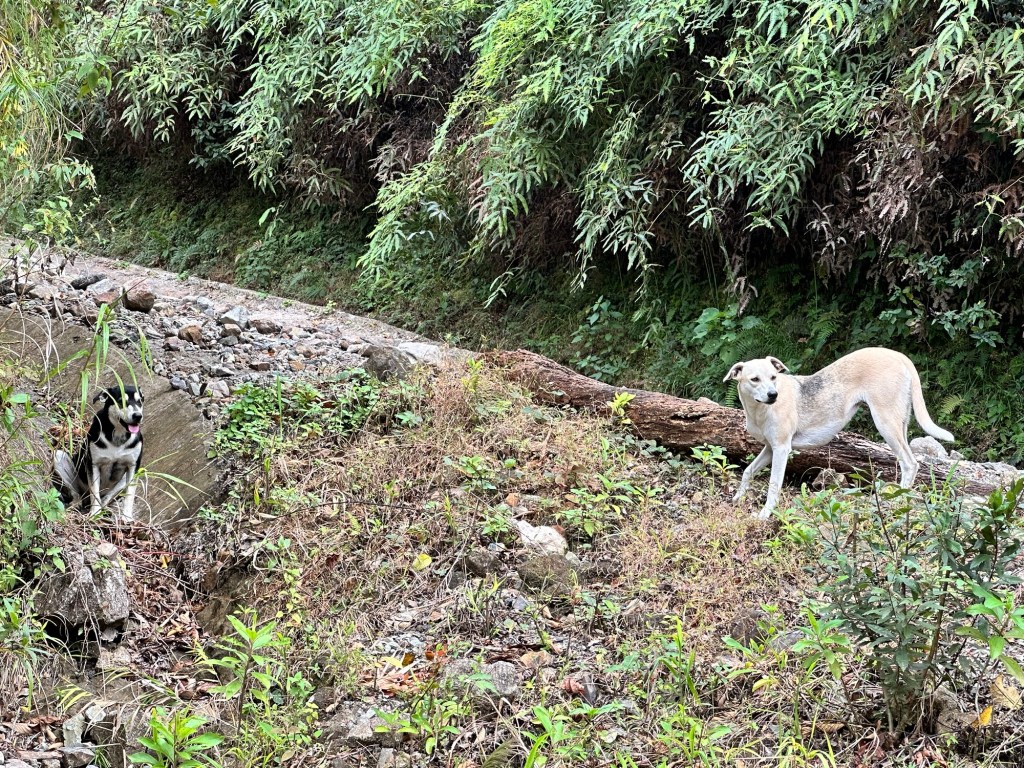
Back at the hotel, I discovered that a tour group of 18-40 year olds had descended on the place. And the only communal space happened to be outside my room! I started chatting with some of them and ended up going out to dinner with them. Well, I drank $4.50 cocktails while they ate but you get my drift… We returned with three street dogs who threw up all the food they had begged off the guys, then made themselves comfortable on the couch in the common area for the night.

Playa Venao – Penonome

I was hoping to do a loop of the eastern side of the Peninsula de Azuero, but buses were scarce and I was starting to run out of time. I ended up just missing the mid morning bus that came through Playa Venao and had to settle for the midday one instead. I found a nearby hotel with a restaurant I could chill in for a couple of hours rather than waiting on the side of the road at the bus shelter.

La Chozel Hostal

The bus came by more or less on schedule and I returned back the way I came. Playa Venao-Pedasi-Las Tables-Chitre. I am yet to do a loop in this country apart from the one I did by sea in Bocas. It ends up being very time consuming as every leg has to be returned in its entirety. Still, the countryside is spectacular enough to warrant a second viewing and I have managed to see quite a bit of it.

Playa Venao

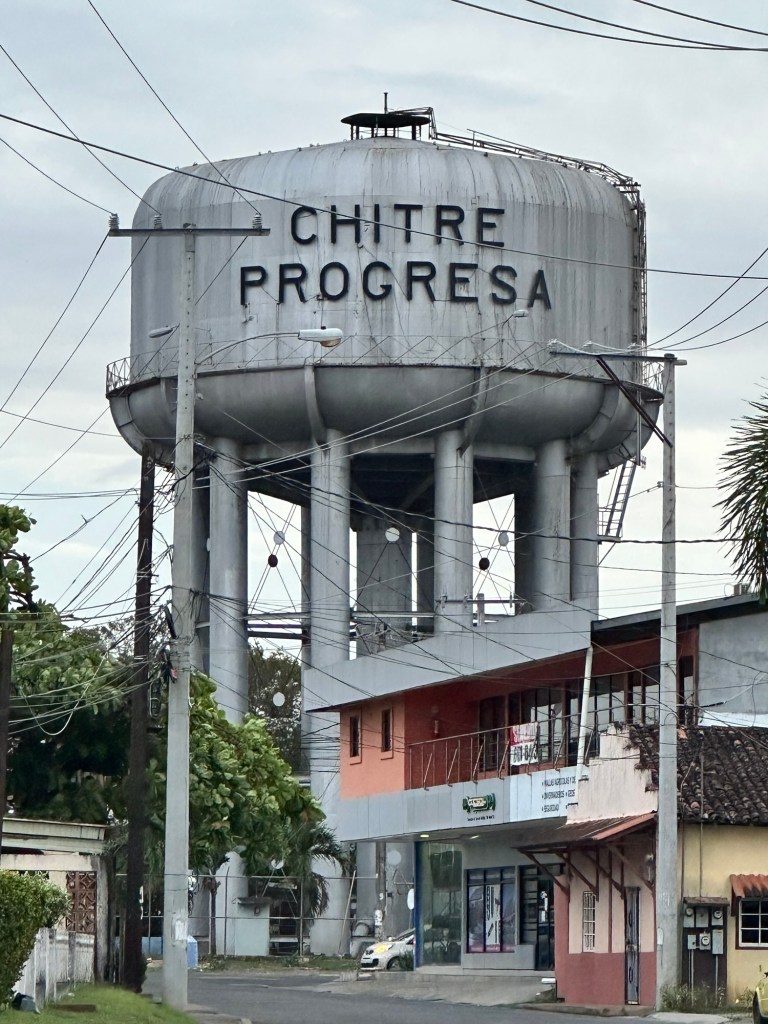
Back in Chitre, I made enquires for a bus to Penonome which was en-route to En Valle, my next port of call. This whole next leg was on the Pan American Highway and hence a bus befitting that role was evidently required. A somewhat dated coach which had clearly seen better days was the only option available to me. I detest these forms of transport as usually the curtains are drawn so you can’t see out. I managed to find a seat next to a window though which gave me curtain operation privileges and which had the added advantage of being able to adjust the artic airconditioning. Then it was just a matter of kicking back and watching more of the countryside roll on by.

Chitre

Even though we were on the Pan American Highway, which was as sterile as you would imagine it to be, the countryside we drove through was still beautiful. At one stage we were travelling close to the mountain ranges which offered up magnificent views of misty clouds rolling off the peaks.

I found an affordable accommodation option on-line in Penonome and booked it. Hostal Familiar Villa Nome was close to the Pan American Highway so I could walk from where I got dropped off as the bus was continuing on to Panama City. I was welcomed by a señor who showed me the facilities and my room, then left me to settle in. I had a peak at the other rooms as I soon realised I was the only one staying that night. It was a shared bathroom but I had no one I needed to share it with, so that was a bonus. And I could buy beer just down the road at a service station. Location, location.

Chitre – Playa Venao

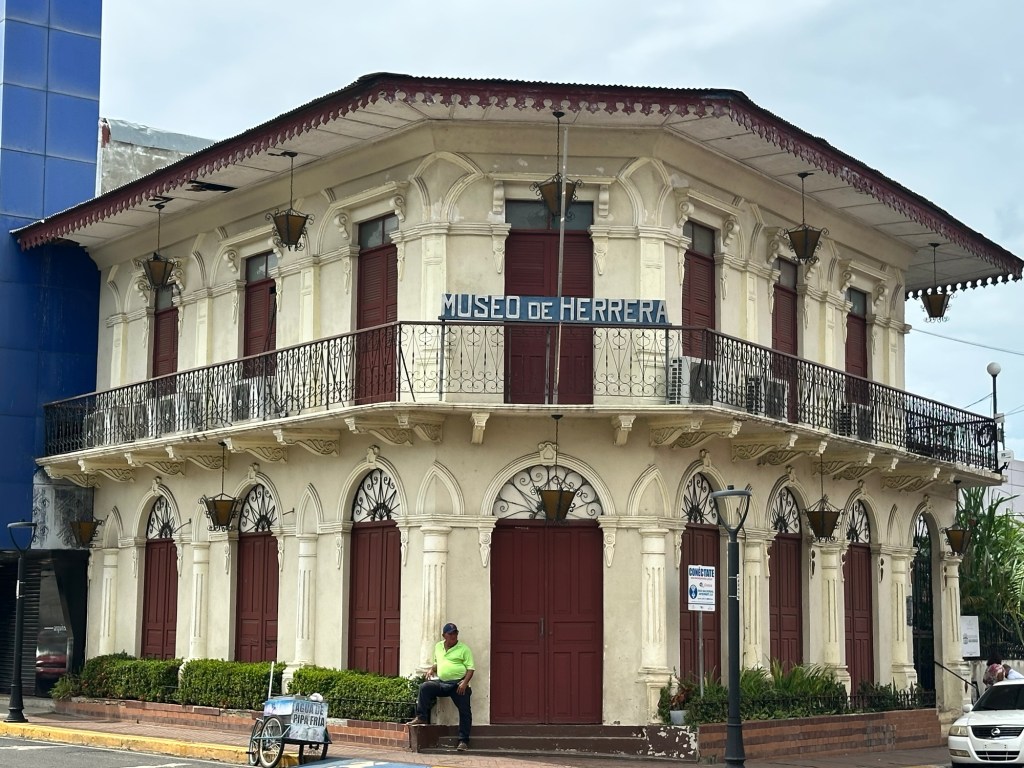
And on the third day, it was open!! My last ditch effort to see Museo Herrera came to fruition. I sauntered in and was pleasantly surprised to find it was free entrance. Though, there most certainly was a price! It turns out very few foreigners visit Chitre, usually bypassing for more aesthetically pleasing tourist sites. And those who do venture into the bustle of this typical Panamanian city usually only leave their imprint on a hotel pillow. Thus, I was a novelty.

Museo de Herrera, Chitre.

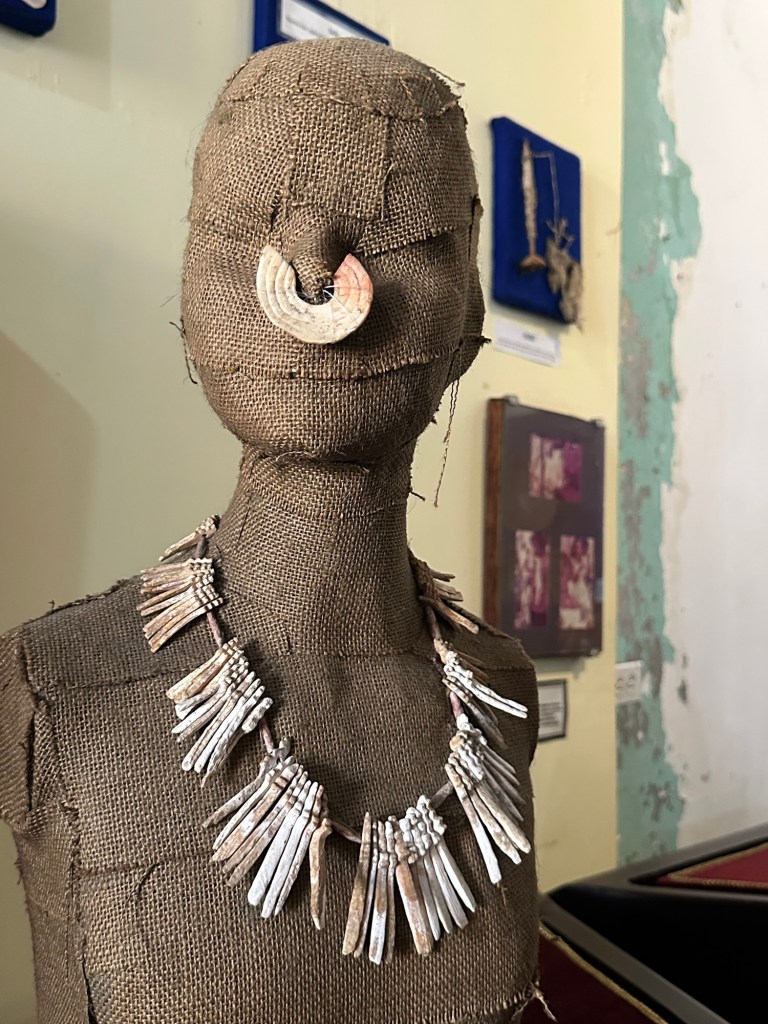
The two tourist police at the museum entrance were keen for conversation and a photo shoot, while an intellectually impaired young lady employed by the museum attached herself to me. She managed to stammer out a couple of words, then left me to look at the displays as she recorded me doing so on her phone. It was a bit unsettling and I felt like an animal on display at a zoo. Still, there was an interesting display of Panama’s mega fauna and pre-Colombian artefacts on the ground floor, including a mock burial site with artefacts displayed in situ.

Museo de Herrera, Chitre

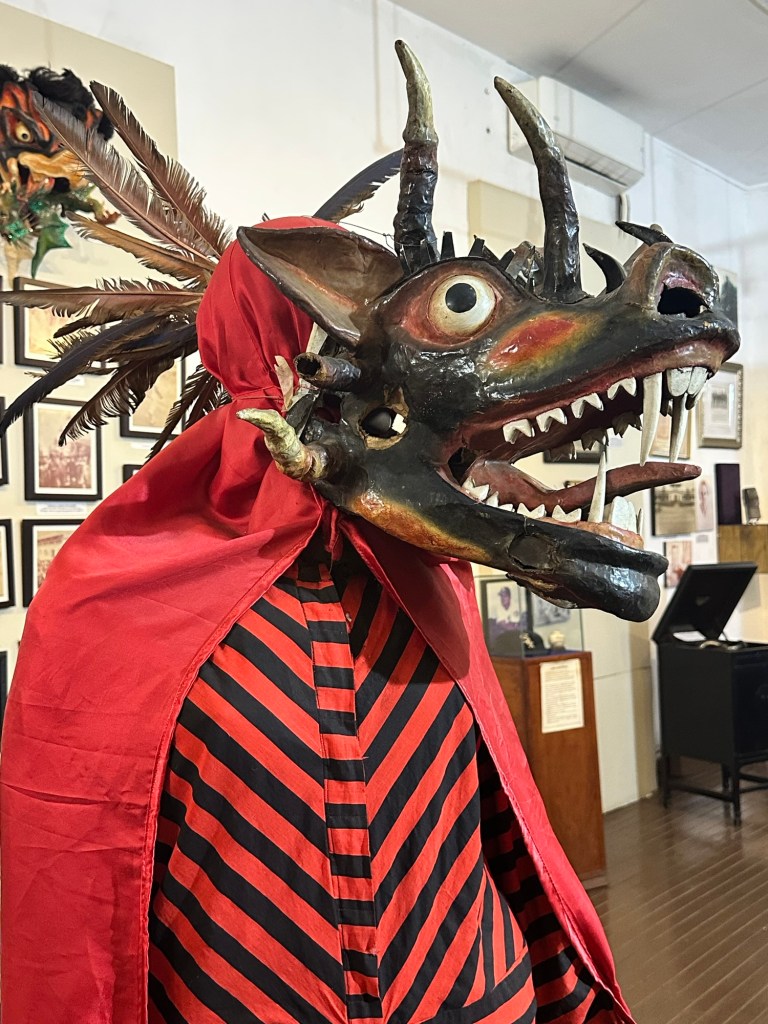
I went upstairs to the colonial display and a museum curator came out to give a guided tour of the display. All the while, my little señorita continued her recording. She was having a lovely time and I can only assume what random feed this Wild Woman will end up featuring in.

Museo de Herrera, Chitre

It was now time to finally leave Chitre and venture further down the coast. I collected my pack and walked back to the bus station for the last time. I caught a bus to Las Tablas, then walked the few blocks for the bus further south to Pedasi. There, I had to sit on the side of the road for about half an hour for my last bus of the day down to Playa Venao.

Playa Venao

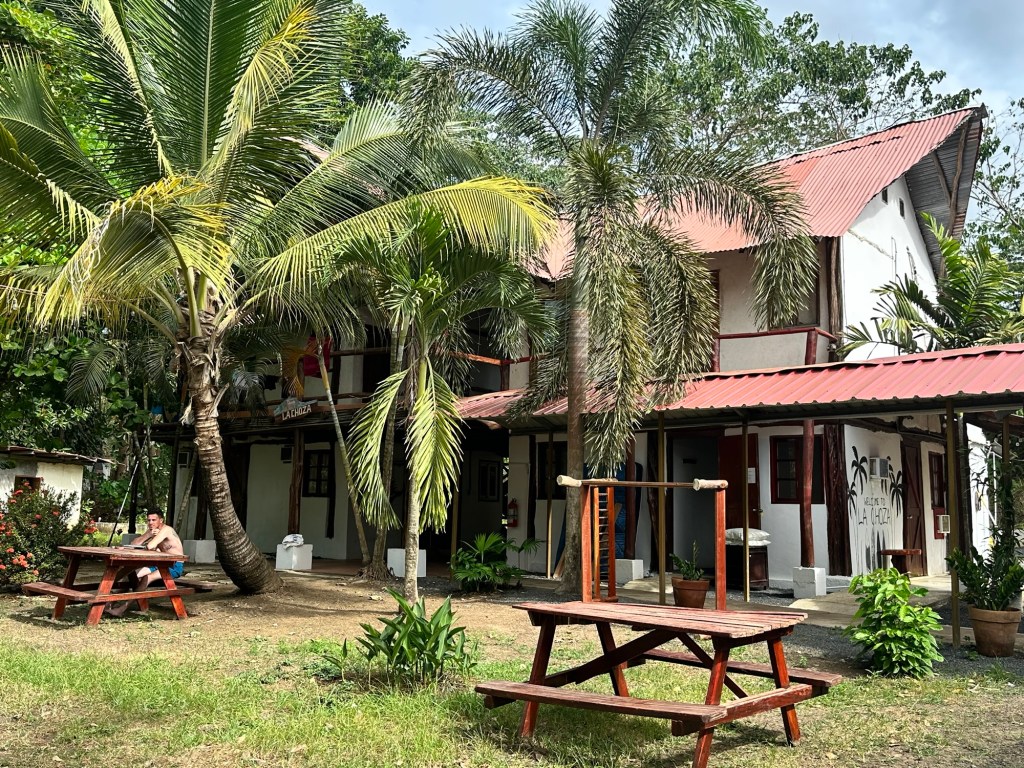
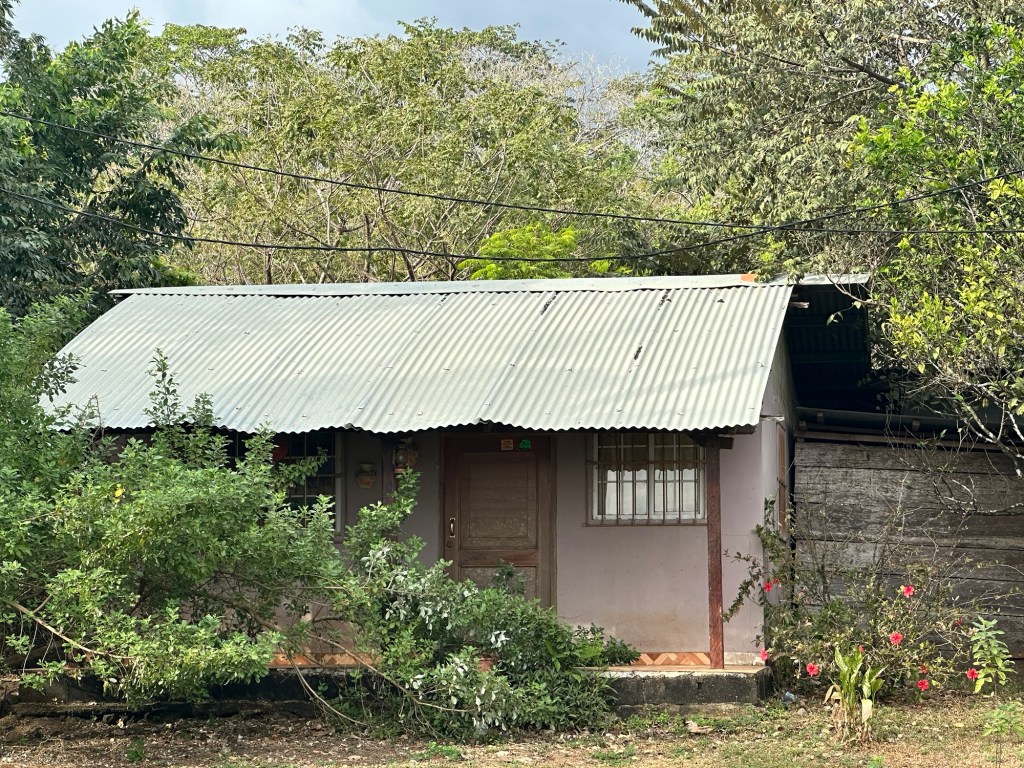
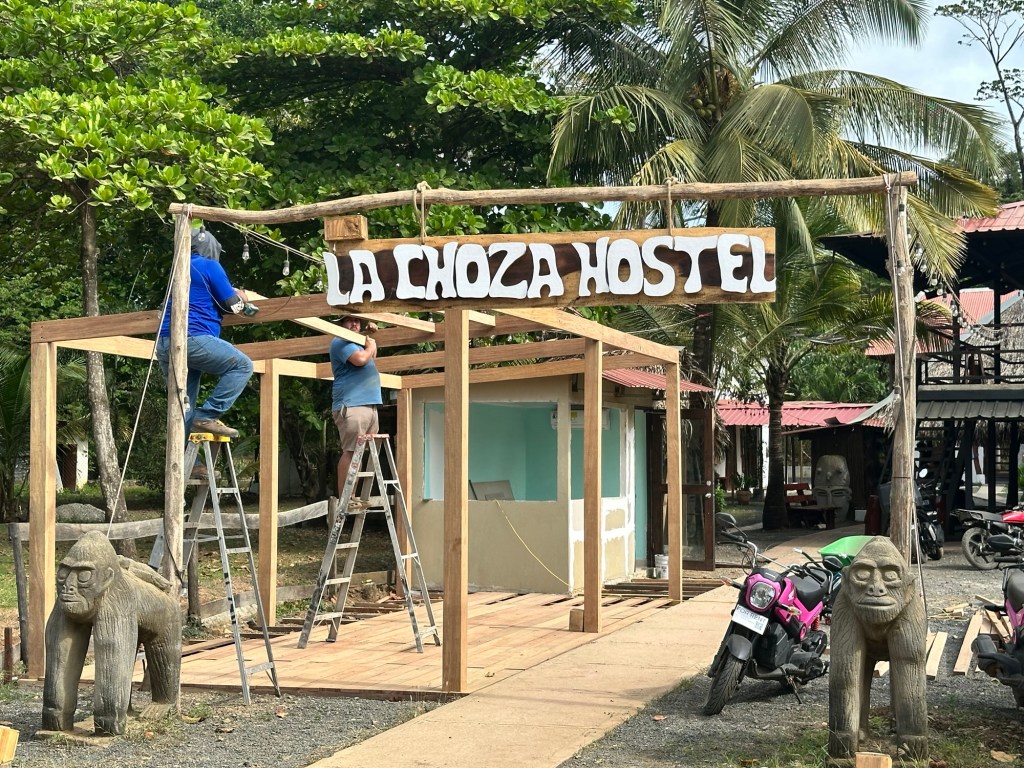
I had found a hostel online en-route so booked it while the bus was negotiating the winding road. I was then dropped off on the side of the main road to walk down to find my hostel. This was one of those hostels where private rooms are only marginally more than a dorm bed, so I booked that instead. While the rooms were really cheap, they were also really basic. Small concrete boxes, though there was airconditioning. Very basic shared toilets and cold water showers in cubicles were on the verandah outside the rooms. The aroma of freshly choofed marijuana emanated from where I assumed dorm room was.

La Choza Hostel, Playa Venao

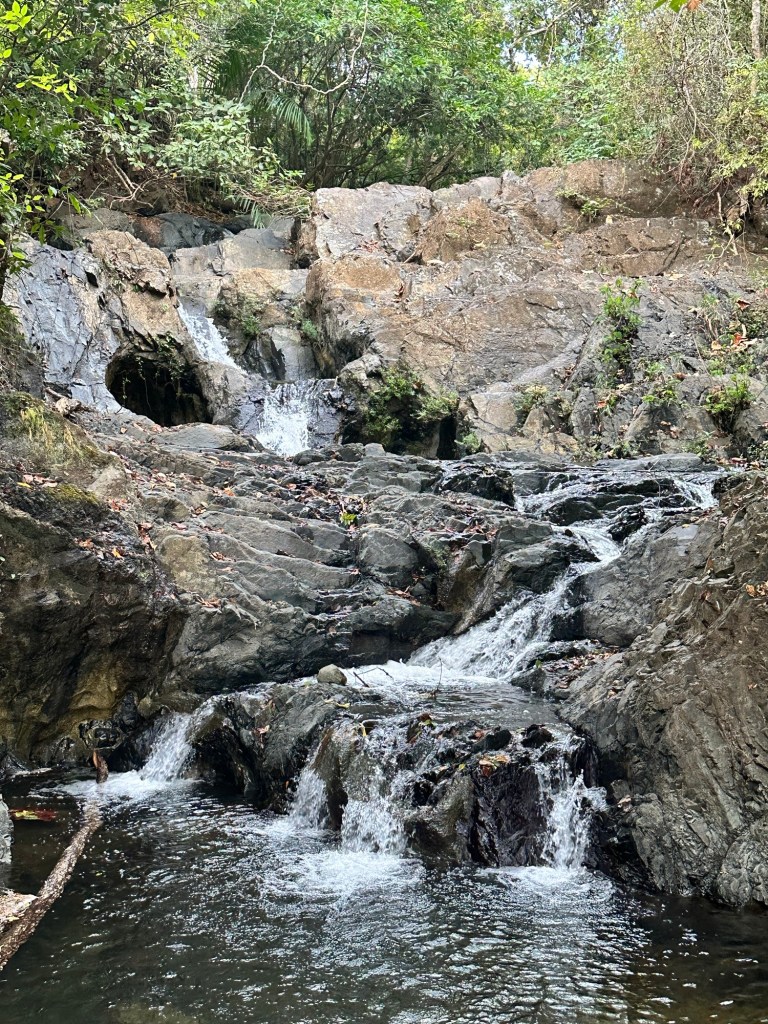
I dumped my pack and walked along the main road to Eco Venao where a 3km waterfall hike was mentioned in the guidebook. It was late by the time I got there so I didn’t have a lot of time to spare if I was to finish the trail before dark. It was a well maintained trail following a small river which needed fording across rocks a couple of times. The trail then lead to a small waterfall with a pool below.

Waterfall, Eco Venao

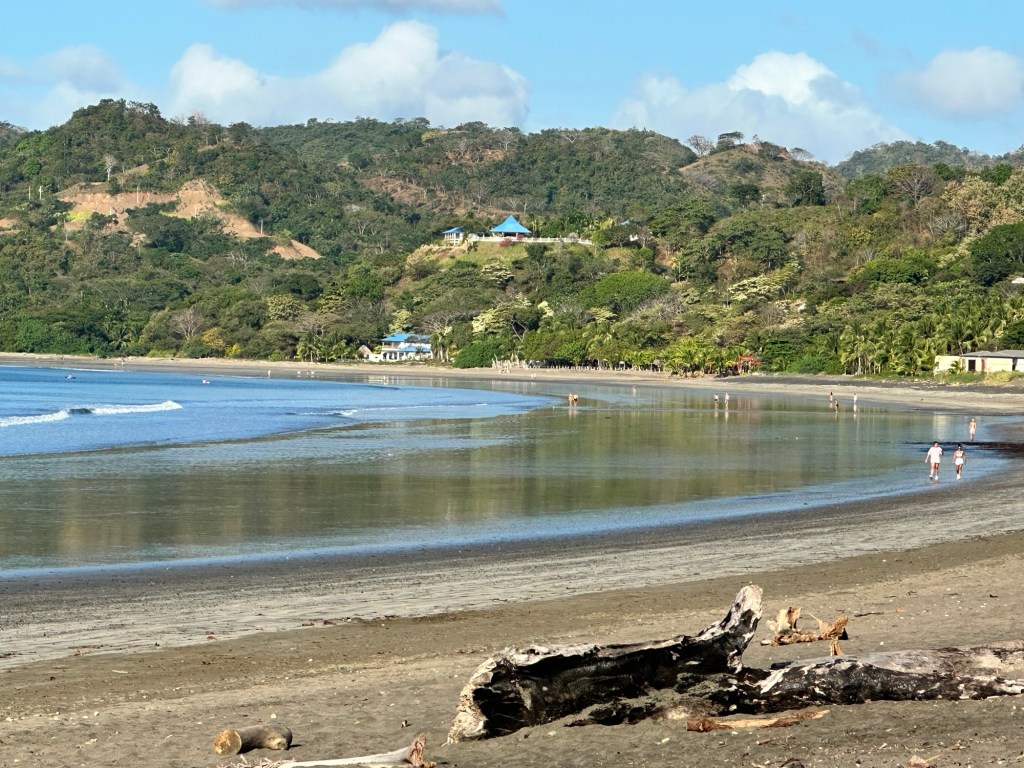
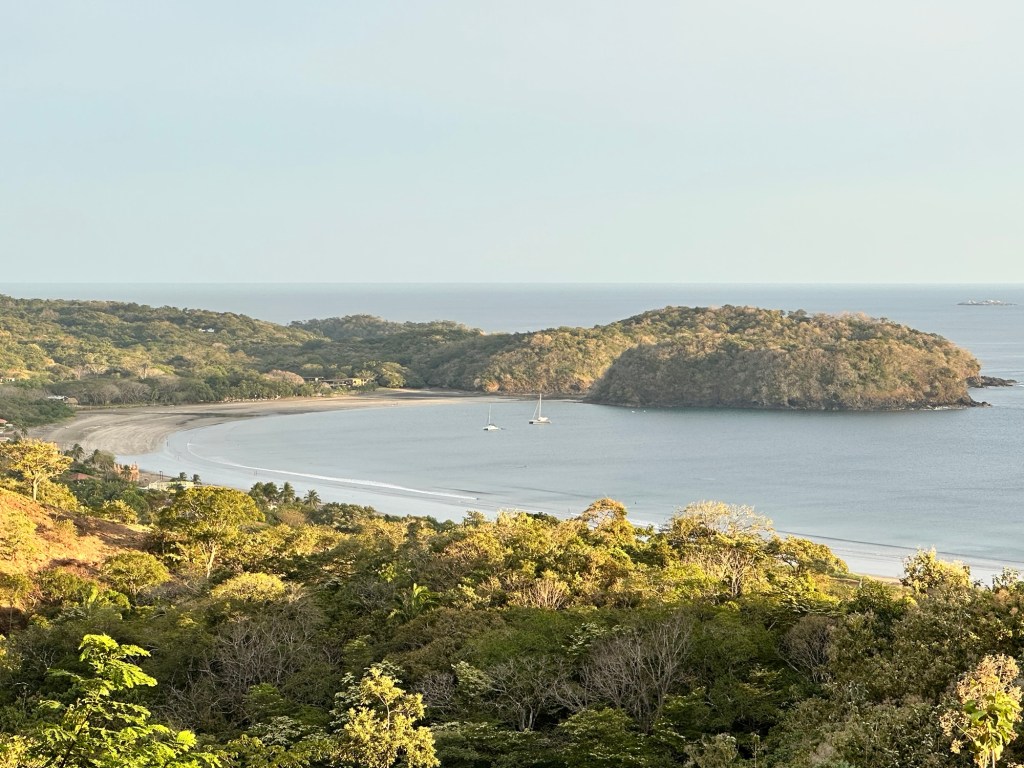
From there, the trail led steeply up the hill to a lookout over Playa Venao itself. It was a surprisingly good view and completely unexpected from where you pop out. Then it was down and circling the hill around to the start of the trail. It was almost dusk by the time I finished and definitely dusk by the time I got back to my hostel.

Playa Venao from lookout.

By then it was time to source some dinner. Playa Venao is one of those up and coming expat resort communities, complete with upmarket beachside hotels and high rise condos jutting up above the jungle canopy. I eventually found a restaurant attached to one of those beach hotels that wasn’t too outrageously priced to while away the evening.

Chitre

Google said the museum was open. And it was a Monday. So with optimism, I jaunted over the few blocks…..to find it closed. A vendor selling young coconuts from a handcart just in front of the firmly shut front door assured me it would be open the next day. I was only planning on spending one day in Chitre, two at the most, but really wanted to see this little museum so returned to my hotel to book another night.

San Juan Bautista Cathedral, Chitre

Task completed, it was then the question of what to do for the day. The other thing that looked interesting and one I had considered the previous day was a visit to a local rum distillery in a nearby town. Google assured me it was open, but then again, Google assured me the museum was open. Nevertheless, I decided to hoof it back to the bus terminal for another jaunt into the Herrera countryside. Sometimes this Wild Woman just likes to roll the dice and see where it lands. One thing is for sure – it will be always be an adventure of sorts.

Parque Unión, Chitre

The little town of Pese lies about 30kms west of Chitre along one of the main arterial roads so despite the usual stop/start for passengers, it was a fairly quick trip. I stayed on the bus when it reached Pese as it weaved its way through the town and got dropped off on the outskirts to walk the final kilometre and a half to my destination.

Sugarcane fields, Pese.

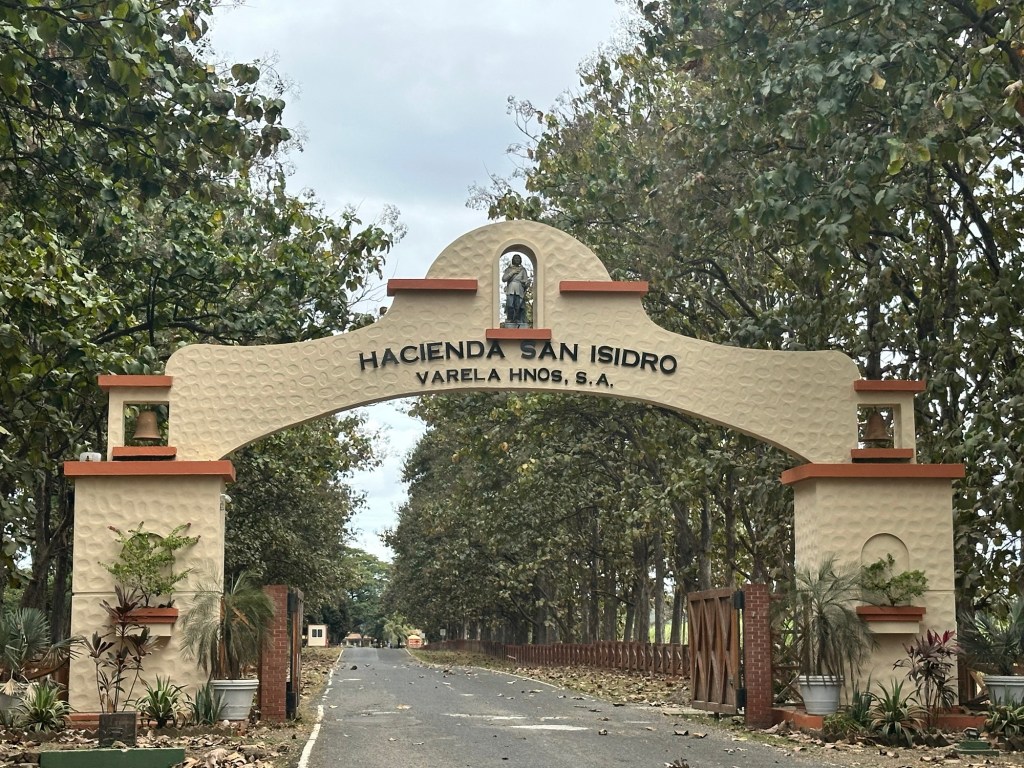
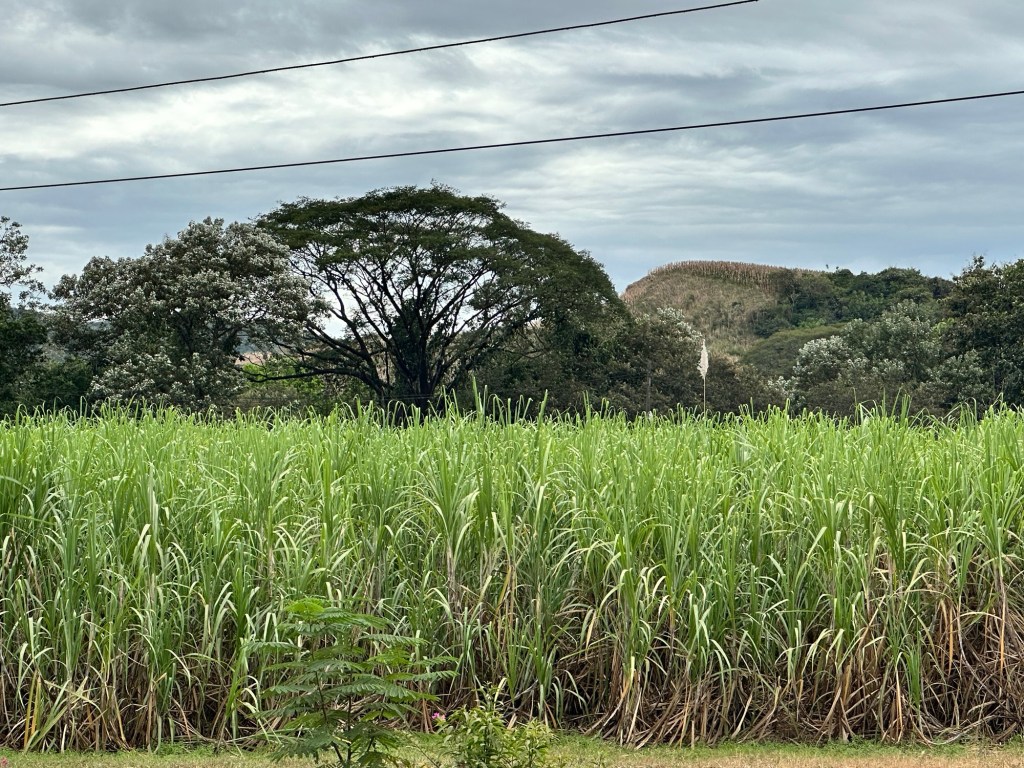
Almost immediately, I was flanked by towering sugarcane. Large trucks overflowing with cut cane roared past hombres working in the fields. I eventually reached an impressive gateway, shortly followed by a gatehouse manned by security. I asked if they were open and that I was interested in doing a tour. A quick phone call later, and I was sent on up the road to where a guide was waiting for me.

Hacienda San Isidro, Pese.

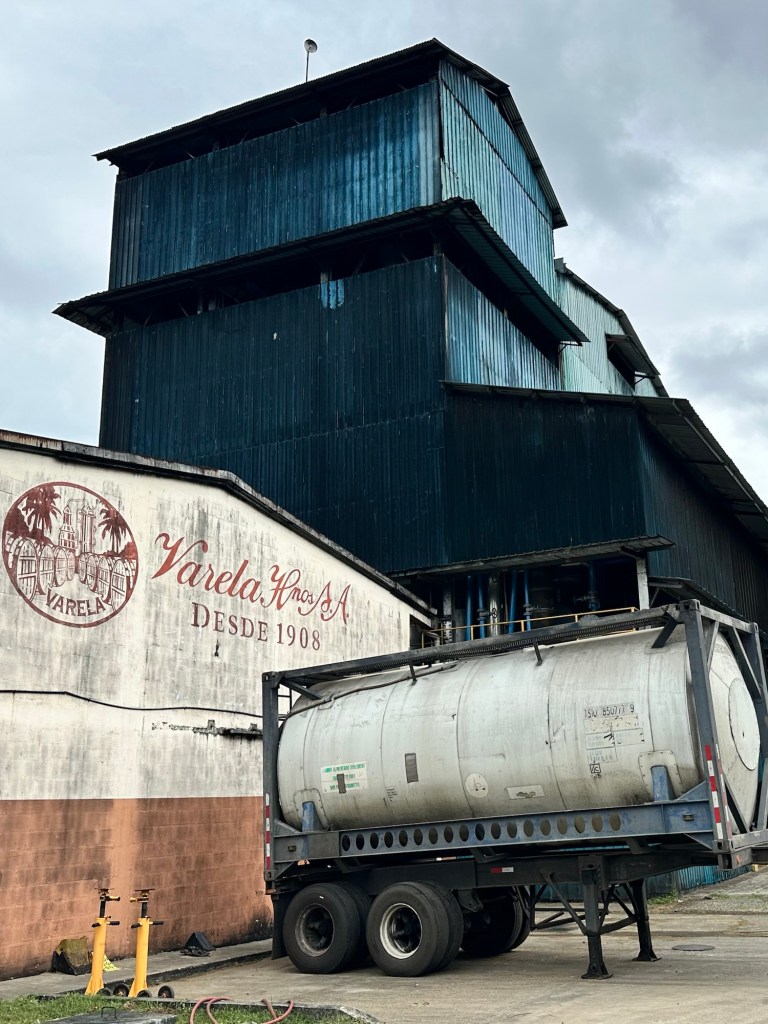
It turned out that most tours are booked on line and are of a more formal nature, but my guide, Tito, offered to take me around on a personal tour for USD25. I jumped at the offer and so we began. Originally starting out as a sugar producing outfit, Haciendo San Isidro diversified into producing liquor in 1936. The company has been in the same family since 1908 and produces many high quality rums under the Abuelo label, as well as Panamanian grog staple, seco.

Haciendo San Isidro, Pese.

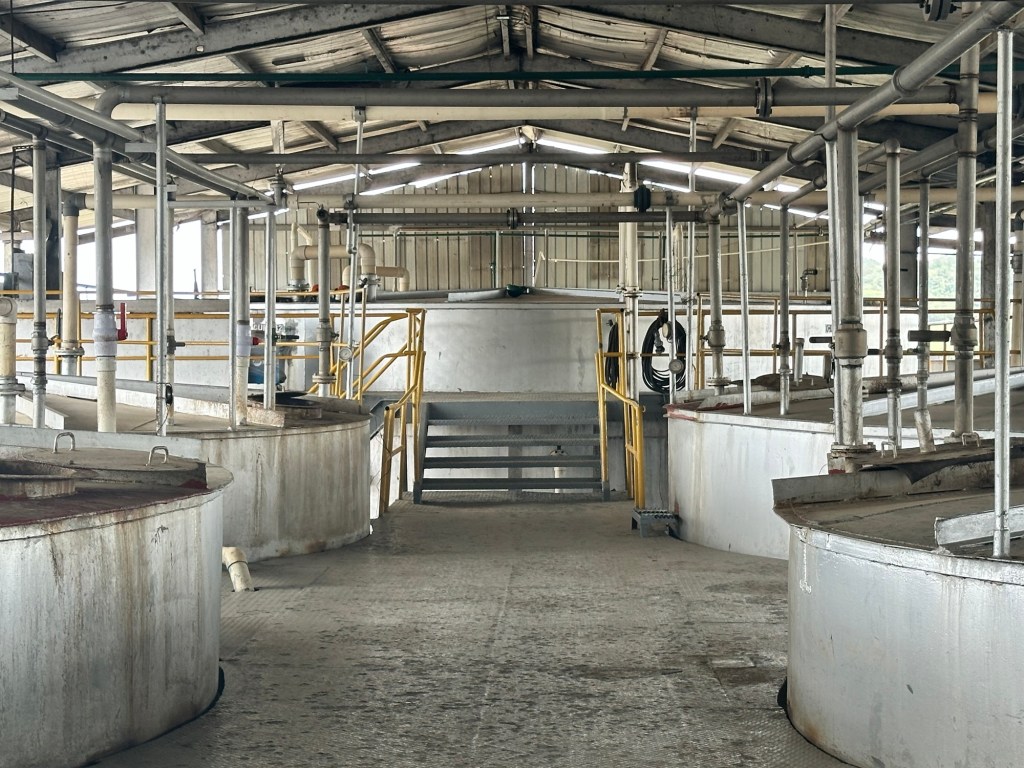
Tito took me around the whole processing plant, explaining how the different liquors were made. I was surprised to learn that the plant is completely self-generating as they burn cane chaff and other by-products to produce enough energy to not only run the plant, but also most of Pese. In addition, the company employs most of its workers from the town and is a large contributor to Pese’s prosperity.

Storage vats, Hacienda San Isidro.

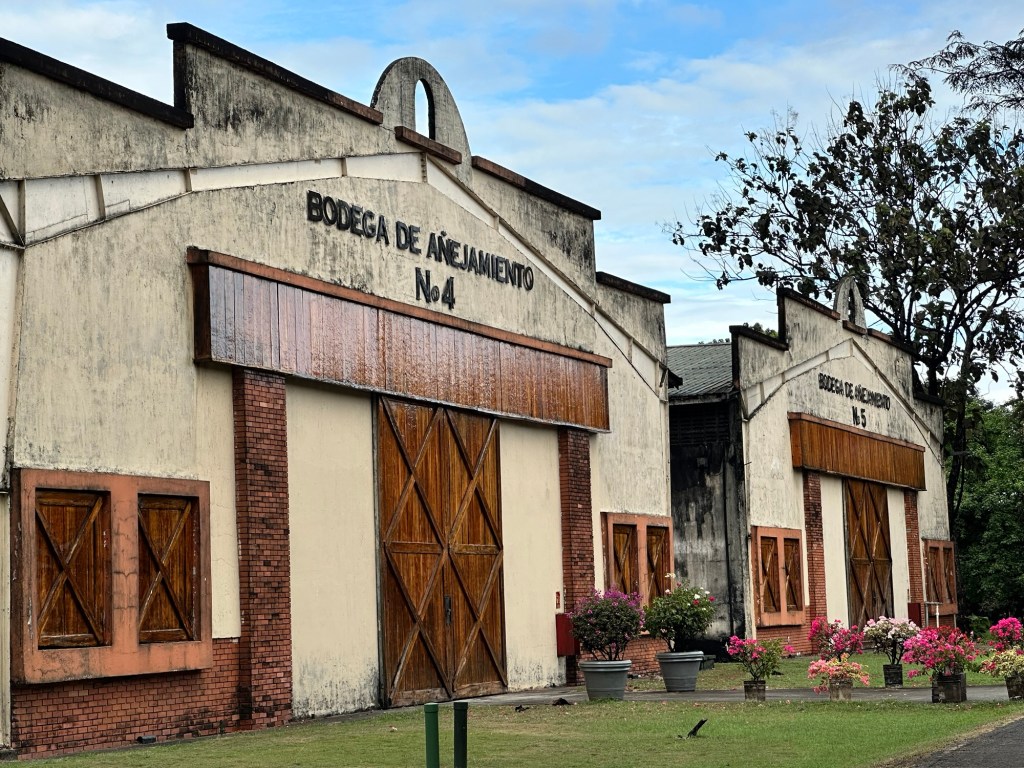
It was then on to tastings in the vintage warehouses where the company’s most exclusive rums were being stored. Their flagship Abuelo rum starts out as a basic 5yo, then progresses to a slightly more mature 7yo. It is after this point though that the rums really start to come into their own. A range of 12yo and 15yo vintages aged in oak, then finished in casks which had previously aged different liquors (such as sherry, cognac or port) raised the bar before blowing it completely off the Richter with the Abuelo Centuria. This predominantly 30yo rum is replenished using a solera system where the original vintage is topped up at lengthy intervals with slightly younger vintages to maintain consistency and supply of what remains a highly prestigious and sought after rum.

Storage facilities, Hacienda San Isidro.

My guide, Tito offered to take me to the founder’s house in town for a tasting of one of the 15yo vintages as I only had opportunities to taste the 5, 7, one of the 12s and the Centuria. I certainly got my money’s worth out of the tour as I ended up with five full shots of rum, including two of the Centuria which retails for USD135 a bottle! Plus I got a chance to see the beautiful founder’s house in town.

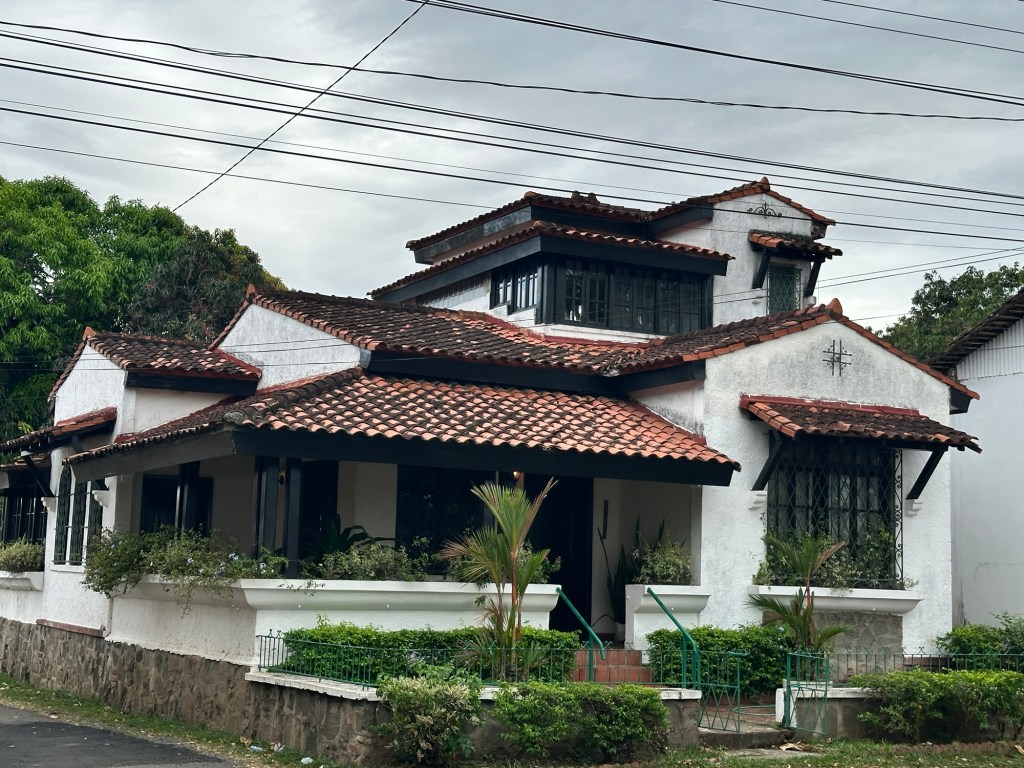
Founder’s House, Pese

As Tito lived in Chitre and mine was the last tour for the day, he offered to give me a lift back to my hotel. All in all, a most memorable day as I left with a vow to bring home a bottle of exceptional Abuelo rum.

Chitre

When I booked into Chitre, I was keen to spend the day visiting the little museum there. Alas, it was closed over the weekend. Then there was a rum distillery in nearby Pese that sounded interesting. That was also closed. My last option was visiting the little traditional town of Parita just north of Chitre.

Parita

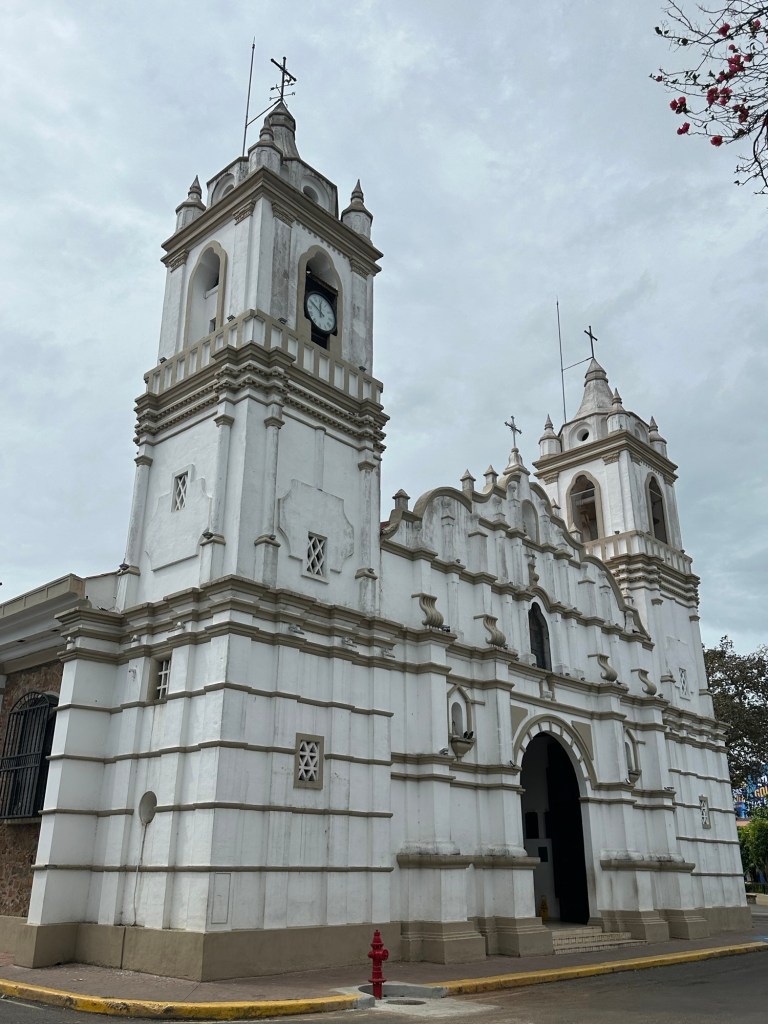
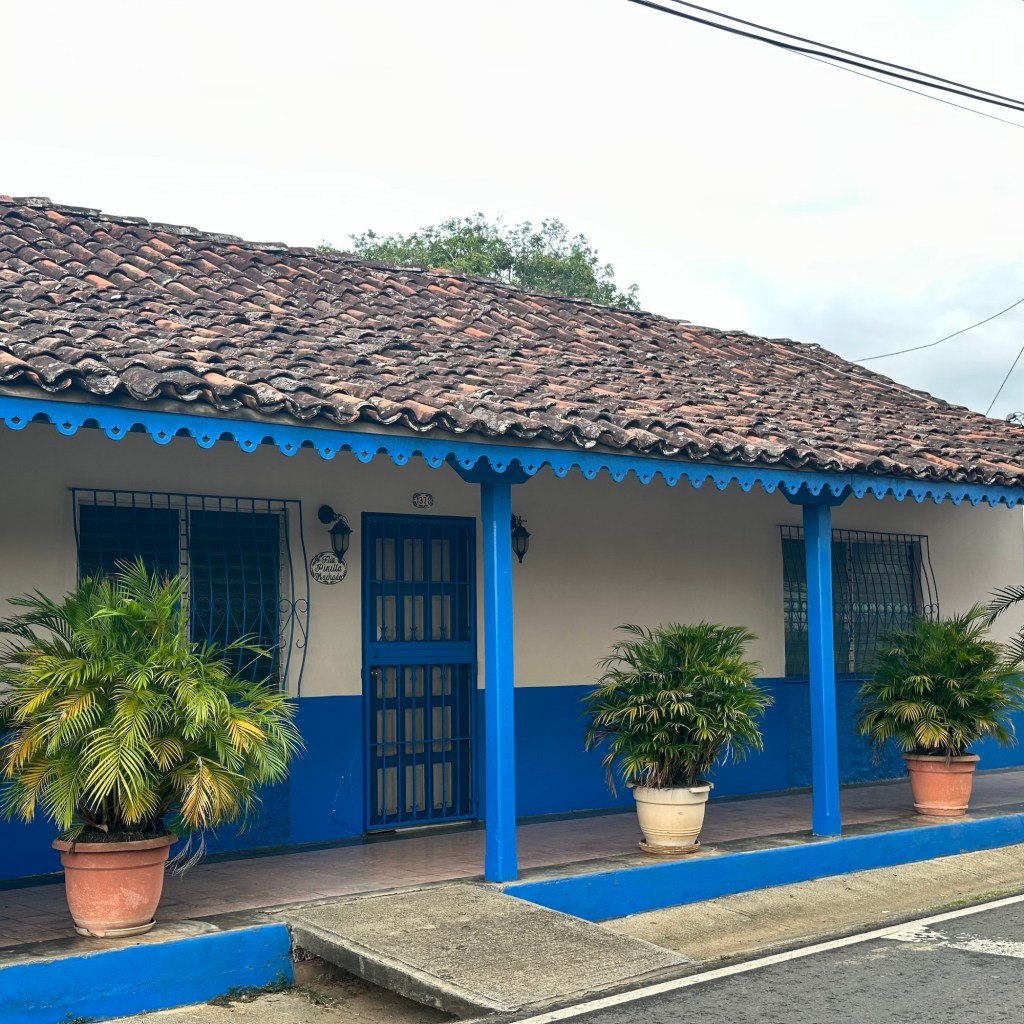
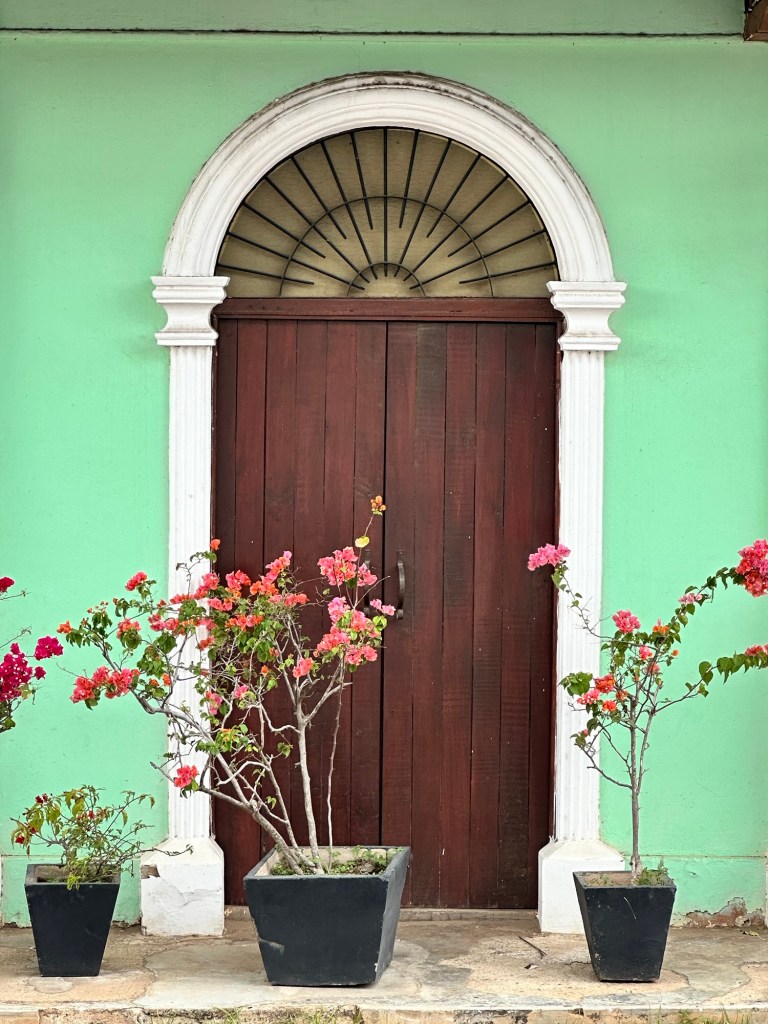
I walked down to the bus terminal and found the bus that would take me there. Parita is one of those little towns that make you feel you should be wandering its streets in voluminous skirts with hair drawn back at the nape, such is its Spanish colonial authenticity. Parita’s baroque style church has been overlooking its traditional grassy town square and surrounding low, red-clay roofed casas since 1723. Vibrant, flowering plants and wooden rocking chairs adorn the tiled porches set just off the narrow streets.

Parita

I had a pleasant time wandering around the main town centre before deciding to take a road which led out of town and down to the river. Once there, I found three hombres fishing on the bank. I chatted with them for a while, before returning back to town using a different route.

Parita.

By now it was time to return to Chitre. I bid pretty little Parita adios and caught the bus back to Chitre. Sometimes, the Universe throws you curve balls and just rolling with it gives you an unexpected experience. As was my day.

Santa Fe – Chitre

It was now time to leave the mountains again to head to the coast. This creeping ever eastwards, heading north before retracing my steps to head south, makes for slow going. However, I haven’t let it deter me and am seeing a good portion of the country regardless. I wanted to check out the western side of Peninsula de Azuero before heading further east again to work my way down the eastern side of the Peninsula. Unfortunately, this was another instance where it was necessary retrace one’s tracks or skip it altogether as there is no connecting roads between west and east.

Fonda Santa Fe, Santa Fe.

Once back in Santiago, I found where the bus to Torio left and fortunately didn’t have to wait long before it left. It was a pretty drive down to Torio which was about half way down the coast. I could have gotten further down the coast on another bus, but didn’t have time to wait for it to leave. I had the annual Council meeting for the Australian Speleological Federation which I needed to zoom into by 6pm so wanted to be in the hotel room I had booked in Chitre before then.

Playa Torio

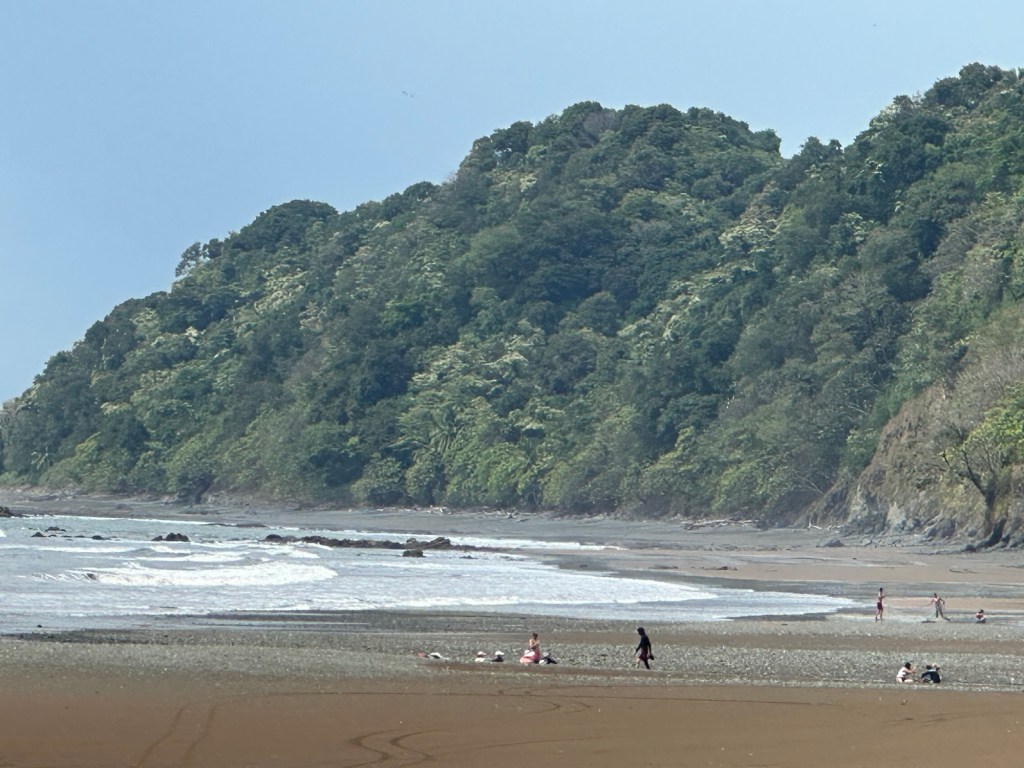
I thought I would just get dropped off where the bus stopped in Torio, have a quick look around, maybe grab a cerveza, then jump on another bus back to Santiago. A whistlestop little detour of the area. Of course, it wasn’t as simple as that. The bus driver wanted to know where I wanted to get dropped off and when I told him just in the centre, he wanted to drop me off on the side of the road which didn’t consist of much at all. As there were other passengers on the bus not getting off and knowing that the bus terminated at Torio, I was somewhat puzzled. They said they were going down to the beach, so I decided to stay on board until the bus rumbled to a stop at a crowded, black sand beach. I asked when the bus left again and was told in 20 minutes time, so decided I would have a quick look then return on that bus.
Bar at Playa Torio

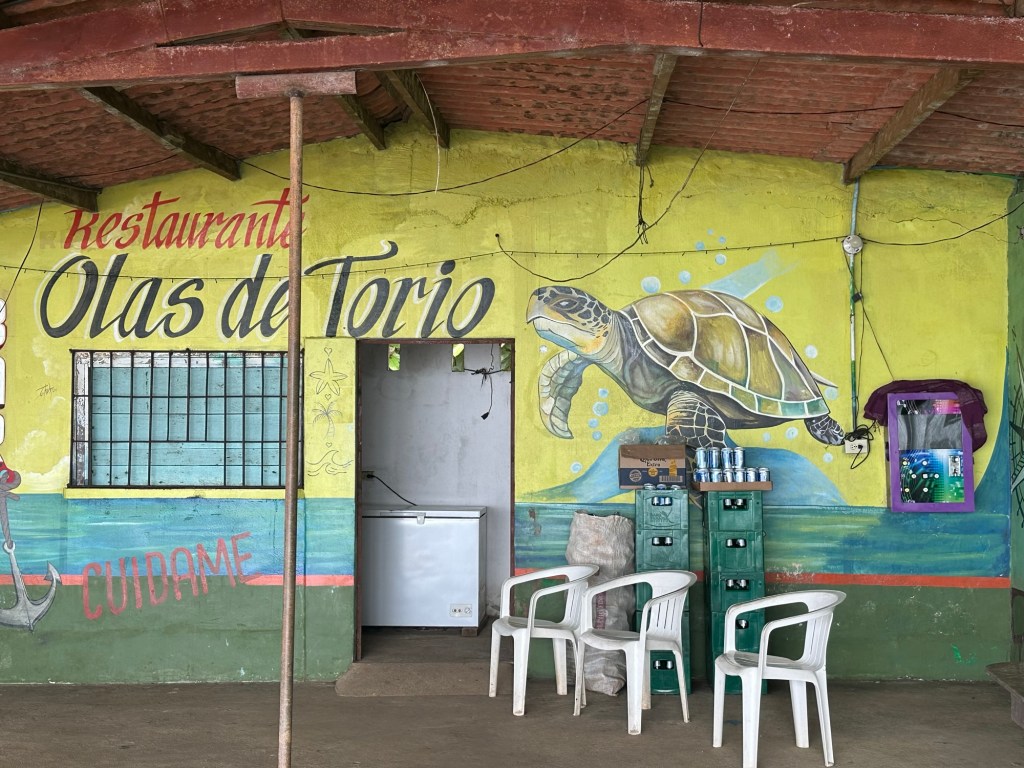
As luck would have it, I soon stumbled on a beachside bar with icy cervezas which ticked that box. I had just enough time to down one and grab a couple of photos before heading off back to Santiago. By now I was most familiar with Santiago Bus Terminal as I had used it to transfer to Santa Catalina, Santa Fe, Torio and now Chitre. Such is the complexities of travelling through Panama. Fortunately, I managed to find a bus that went directly to Chitre, which saved me much needed time as the detour down to Torio had taken me much longer than anticipated.

Parque Unión, Chitre

The bus pulled into Chitre just prior to my meeting starting so I just had time to register. Then it was a matter of listening on while I bought some beers and walked the 1.5kms to my hotel. Checked in, I could finally relax and participate a little more fully until my bit had finished and I crashed for the last hour, waking up just before 1am when it was finishing up.

Santa Fe

As many of you know, this Wild Woman likes to go wandering off the beaten track and that’s exactly what the day was beckoning. I decided to check out the indigenous community at Calovebora on the Caribbean coast. The road to Calovebora was only completed a few years ago, finally connecting the indigenous communities that live on the Caribbean side of the province with the rest of the country. Prior to this, community members had to take their chances by paddling up the Rio Calovebora, then traversing muddy tracks to get to civilisation. Now they have a sealed road which is regularly plied by local buses from Santa Fe.

Parque Nacional Santa Fe

The road to Calovebora heads north through Parque Nacional Santa Fe, threading through mountain passes and skating past small rivers cascading down heavily forested cliffs. The way is slow due in part to the numerous tight turns and steep climbs, as much as to the constant exchange of passengers along the road. Tiny, wooden shacks with thatched roofs house the indigenous families that live along the route. The women in traditional dress of simple, brightly hued smocks with contrast braid, usher their offspring on and off the bus.

Indigenous house, Calovebora.

After a couple of hours, the bus pulled up in a small community at the end of the road. The Caribbean Sea was just before us; its turquoise waters gently lapping the coffee coloured sand. I decided to have something to eat at the little fonda behind the bus stop and was served the tastiest fried fish I had had in a long time, washed down with freshly squeezed orange juice. There wasn’t anything else on the menu, but you couldn’t get any fresher than what I was given. I got chatting with the owner who told me about the impact the road has had on the community. He also confirmed what I suspected – very few foreigners venture out to these parts.

The Loch Ness Monster on vay-cay in Panama.

After lunch, there was time for a walk along the beach. Calovebora is situated at the mouth of the Rio Calovebora so it was only possible to go in one direction. Crossing a small stream which was disgorging its waters into the Caribbean, it was possible to walk about a kilometre along the beach before coming to impassable sea cliffs.

Calovebora

Catching the bus back to Santa Fe was just as enjoyable the second time around as I kicked back and watched the various lush scenes unfold before me. On arrival back in Santa Fe, I had planned on grabbing a couple of cervezas to take back to the hostal to sustain me while I wrote a long overdue report for the Australian Speleological Federation, but was startled to learn that no alcohol could be sold that day. On enquiring, I discovered it was because it was the Day of Martyrs. I could fully appreciated a day of mourning, recognition and remembrance for the poor souls who lost their lives fighting for a cause deep in their nationalistic soul, but was unsure why it was necessary to be made to feel a martyr myself. Fortunately, back in the hostal, upon hearing of my plight, a kindly visiting señora gave me a cerveza from her own personal stash. And so the report could then be written.

Santa Fe

Inspiration for the day’s activity took only a glance out of my window. My room had an excellent view of Cerro Tute jutting above the valley floor; its misty peak beckoning a visit. I opened my Komoot app and found a suitably interesting hike to its lofty summit whilst exploring its fertile environs.

Cerro Tute, Santa Fe.

After a quick repast at one of Santa Fe’s more basic fondas, I started up and out of town on one of the roads that snake away from its centre. The trail quickly left the tarmac and continued on a steeply inclined dirt road which wound its way up and out of the valley. Every now and then, humble casas were passed; their tiny yards harbouring a mottled variety of dogs and chickens. Less modest casas were situated on land carved out of the side of the mountain to guarantee magnificent views of all that lay below them.

Santa Fe from mountain.

Eventually the road came to an end at the edge of the Parque Nacional Santa Fe within which Cerro Tute was situated. The way on was now a wide, rocky path which started undulating steeply, heading towards the cerro. Small cascading streams needed fording, however, their flow in the dry season was pitiful compared to what would normally be a raging torrent in the wet.

Parque Nacional Santa Fe.

I had saved the map with marked route offline so had access to it throughout the hike. At one stage, I lost the trail and didn’t realise until I came to a track intersection and went to check which way to go. The map indicated I had missed a track junction which I didn’t recall passing. As I turned to retrace my steps, a farmer came ambling up the path. With the most bemused expression he could muster he enquired into my activities in this remote part of the mountain. I explained I was on a hike and that I had a map so was ok. He told me to be safe and continued on his way.

Parque Nacional Santa Fe

As I continued on mine, I came to where the map indicated I needed to turn. Finding nothing at first, after further investigation, I located an unformed ‘goat track’ going straight up the side of the mountain. No wonder I had missed it! This was the start of the 2.78km of ‘hiking trail’ referred to in the trail information. It was basically a narrow track straight through the jungle cleared of vegetation purely due to generations of farmers treading its path over many, many years.

‘Hiking trail’, Parque National Santa Fe.

I climbed up for over a kilometre before coming to a steep decline down to a stream way. The trail wasn’t as clearly defined here and I was using the map positioning to clarify which way to go. Having decided down was definitely the correct route, I was startled to see another farmer at the stream way looking up at me. He wasn’t there before and I wasn’t sure where he had came from. I explained I was hiking and had a map and was fine but he insisted on accompanying me as I continued climbing the mountain again.

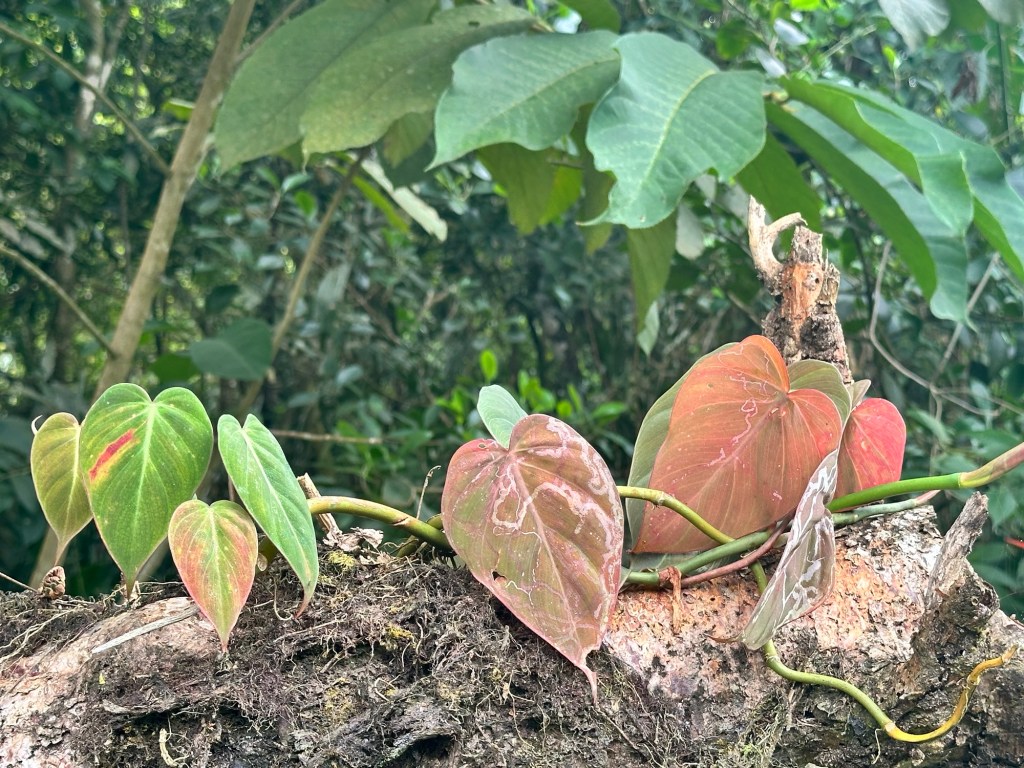
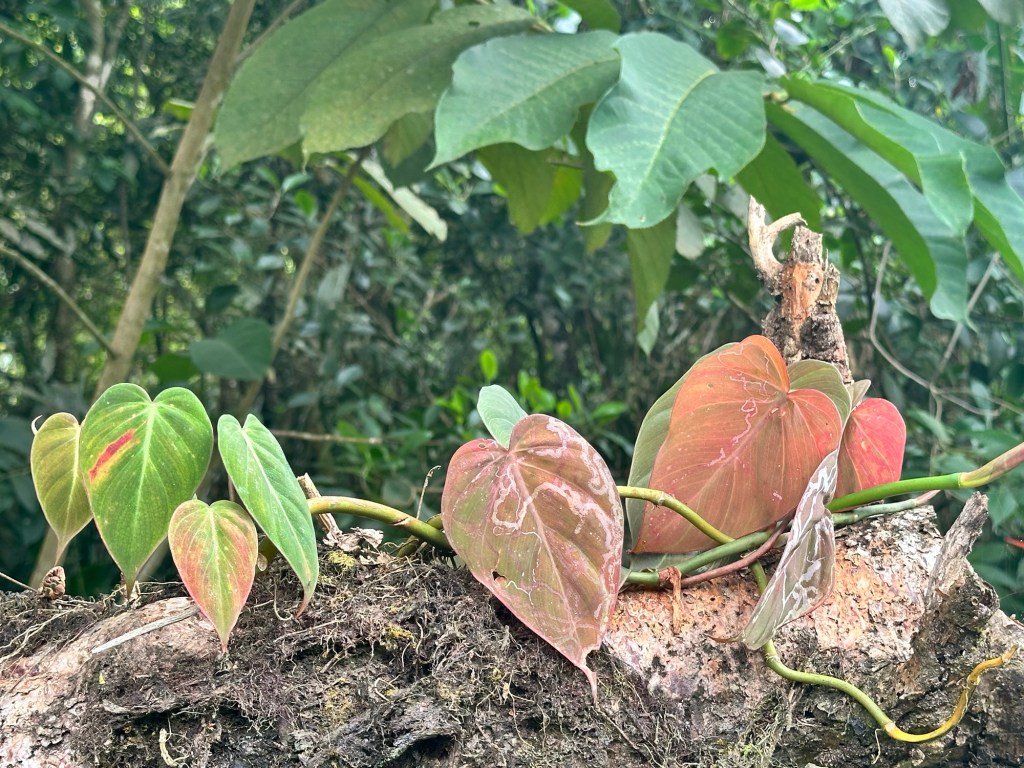
Epiphytes. Parque Nacional Santa Fe.

My helpful hombre spoke with such a thick accent, I couldn’t understand a word he was saying. I understood him to point out it was getting late in the day and that I needed to be careful not to be caught out in the dark. Coincidentally, the sun must have gone behind thick cloud at that point and it felt like someone had just dimmed the lights.

Parque Nacional Santa Fe

We continued on up the mountain until it plateaued where a small orange orchard nestled in its folds. I was keen to push on, but the farmer put a kindly hand in my shoulder and gestured to Cerro Tute, its summit peeking through the jungle foliage. He felt like he wanted me to stop and revere the mountain for a moment. He then plucked two oranges from a tree and passed them to me before setting off again.

From grassy saddle just below summit Cerro Tute.

Another steep climb and I popped up on a grassy saddle just under Cerro Tute’s summit. The farmer had only just been a few metres in front of me on the path, however, when I reached the top he was nowhere to be found. I could see on all sides and looked for him as I thought it strange he would just up and leave after being so attentive for the last half an hour. But he was nowhere to be found. I absentmindedly felt for the oranges he had given me to remind myself he had existed and wasn’t just a figment of my imagination, however, the situation quite confounded me.

Summit Cerro Tute

The wind had picked up significantly on top of the saddle and I was having difficulties staying upright in it. Although, the summit was just ahead, I decided to skip it as it was already quite late and I would probably be walking at least part of the way back in the dark. I could see pretty much as much from where I was at the time and that vista was one of humbling magnificence.

From grassy saddle just below summit Cerro Tute.

The way back down the other side of the Cerro Tute was via a treacherously steep, rocky road with numerous wash outs and scree covering it. It was slow going and I was glad to finally reach the dirt road at the bottom which I followed until reaching the main road which took me back to town.

Hut start of trail to Cerro Tute.

By now it was dark and I had to rely on my iPhone torch to provide light as I made my way uphill again. In the end, I managed to cover 16km of trail with a height elevation of 820m (up and down). And also had another amazing Panamian adventure to file away.

Santa Caterina – Santa Fe

Hostal Un Mundo is owned by an expat Austrian, Thomas, and his Colombian wife, Iris. After chatting with them over coffee, they offered me a lift to Santiago as they were heading that way themselves. I gratefully accepted as it saved catching two buses and an extra hour of travel.

Hostal cat

On approach to Santiago, Thomas asked if I would like to join him and Iris for lunch at a favourite Turkish restaurant of theirs. I was happy to as I enjoyed their company and was learning more about Panama.

Iglesia de San Francisco de la Montaña, San Francisco.

After lunch, I bid my new friends goodbye and caught a bus to San Francisco. I thought I might stay at this off-the-grid little place overnight, however, soon found out there was no accommodation in town. Still, I decided to explore a little and ventured up to see Iglesia de San Francisco de la Montaña, a stone church built in 1727. Evidently the local artisans who built this church inserted their own faces into religious scenes and onto cherubs’ faces. Unfortunately, the church was locked up, however, I was treated to a bell ringing on each of the church’s three bells by an hombre in the church’s belfry.

Iglesia de San Francisco de la Montaña, San Francisco.

Another church, which appears to be the ones the locals are now using, stood loftily behind its ancient counterpart. A group of señoras were quietly chatting in the shade as I entered it. An hombre was practising a song on a guitar high up above the nave. I sat in the cool of the church enjoying the music until I noticed a gathering at the main door. It soon became apparent a funeral service was about to commence. Not wanting to gate crash a funeral, I left the mourners in peace and walked back to the man road to catch a bus to Santa Fe.

Cerro Tute, Santa Fe.

Climbing from the sultry flats up into the mountains, the air became fresher and less dense. The bus groaned its way up steep inclines and rushed along when unencumbered. Passengers boarding and alighting at frequent intervals slow down the journey but gives opportunity to glimpse into everyday rural Panamanian life.

Iglesia de Santa Fe.

The hostal ended up being only a block away from where the bus dropped me off in the centre of the little town that is Santa Fe. Primarily, the obligatory church and town square and little more other than a small covered market, a supermarket, a handful of fondas (local eating places) and roads leading in a multitude of directions further into the countryside.

Hostel Bulaba, Santa Fe.

The hostal señora greeted me at the entrance and showed me to the back of the property where a concrete building was situated. This was divided into two dorm rooms, one of which was currently being used by a French backpacker. I assumed I would be sharing this room, however, the señora had other ideas. Her husband cleaned out the other dorm room which had four bunk beds crammed into it, leaving only a narrow space to access the bunk closest to the door. There were no windows, only a few high, unmeshed concrete vents giving the whole room a cell-like feeling. To top it all off, an entire can of insect spray had been emptied into the space rendering breathing impossible. I asked to see other options and settled on a lovely private room upstairs in the main hotel for only $10 a night more.

Santa Catalina

It was an early start, but a pleasant walk in the cool of the morning down to the village for my snorkeling tour of Parque Nacional Coiba. The tranquil soundtrack of birds chirping and the occasional dog barking were quickly drowned out, however, by the crowd that had amassed onshore with the same aim as myself. Numerous little boats bobbed in the surf just offshore, waiting their turn to beach and collect their passengers for the day. Other boats, having already completed that task were already speeding off.

Tour boats waiting to load passengers. Santa Catalina.

It takes about an hour by boat to get from Santa Catalina to the main island, Coiba, where the ranger station is situated. There were only five people on my tour; myself, a Hungarian couple and a Czech couple. We relaxed into the trip, watching the coastline zip away, stopping occasionally to take a closer look at the numerous turtles swimming in the open sea along our route.

Parque Nacional Coiba

Pulling into the section of Coiba where the ranger station was located, we first registered then were taken up a small hill to a lookout. From here one could see three tiny islands, dripping with verdant jungle, immediately in front of us. A small cruise ship was anchored just below. Back at the ranger station, an inquisitive agouti frolicked on the edge of the vegetation.

Isla Coiba

Back on board, we zoomed off to our first snorkelling destination; just off one of the islands we could see from the look out. The Hungarians had no interest in snorkelling, which I found odd as this was primarily a snorkelling tour, so were dropped off at a beach on the island. I just missed seeing a white tip reef shark, but the aquatic wonderland more than made up for it with an abundance of brightly coloured, tropical fish teaming in the reef surrounding the island. The current took us at a leisurely pace around the outer edge of the island to where the boat had relocated to pick us up. A quick burst of the engines and we were at one of the other islands to repeat the exercise.

Parque Nacional Coiba

Then it was time to collect the Hungarians and zoom off to Isla Ranchería. A simple lunch of pasta and tuna, and fresh watermelon hit the spot. Whilst we munched away, hundreds of hermit crabs frolicked in the sand. A coconut fell from its lofty height only a metre away from where I was standing and I was reminded of the now disproven statistics of coconut fatalities. We had plenty of time to kill on the island, so I filled it with a beach walk and swim in the tepidly warm, clear water.

Isla Ranchería

Then it was back on board and short zoom to a tiny islet just off the coast from Isla Ranchería. Shortly after entering the water, we came across a large, critically endangered Hawksbill turtle feeding on the bottom of the reef. I noticed it had tag attached to one of its fore flippers. The turtle was pulling sections of coral off the reef to feed on the sea sponges growing within it. Nearby was a giant, untagged Hawksbill turtle feeding in the same manner. It was truly magical observing these magnificent creatures in their natural environment and we spent some time watching them in awe. All too soon, we needed to leave, so reluctantly left our new aquatic friends to return to the boat. On the way back, I saw another large Hawksbill feeding, then slowly swimming off. Back at the boat, the Hungarians reported seeing turtles swimming as well.

Isla Ranchería

By now, it was time to return to Santa Catalina. We saw even more sea turtles swimming along the way, stopping every now and then to take photos. The boat pulled in at the river mouth and we disembarked from there. I stopped at the little beachside restaurant I had lunch at the previous day for a cleansing cerveza; gazing at the pristine bay and reflecting on the incredible experiences of the day.