
Whilst Panama is much, much more than the canal, you don’t come to Panama without it being a priority. And today that priority began with a visit to the Panama Canal Museum. But let’s rewind a bit first…
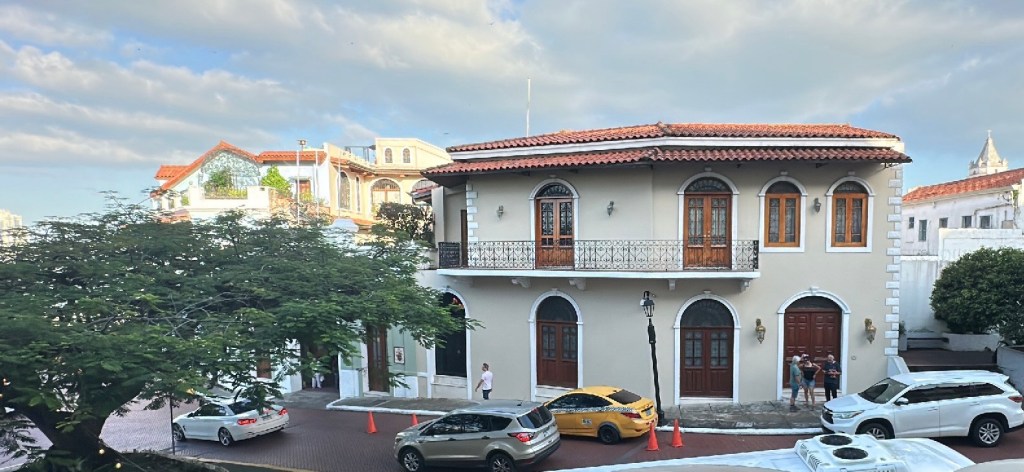
After a very pleasant afternoon/evening wandering around the historical heart of Panama City, I returned to my hostal thinking to take a refreshing shower prior to hitting the hay. But there was no water. A confusing, contradictory little sign hinted at water outages, but not at the hour I was wanting it. Hence, I went to bed without said shower planning on having one in the morning. Then around 5am a staff member came into my room, obviously looking for somewhere to crash, and left apologetically upon discovering the room was occupied. On awaking again and ready for my morning shower I discovered this elusive liquid was again off the menu. Upon enquiry, I was told that the water was out for the entire block and was provided with a couple of large containers of drinking water to have a slosh with. I waited it out for a while to see if the water came back on, but ended up having to use the bottled water.
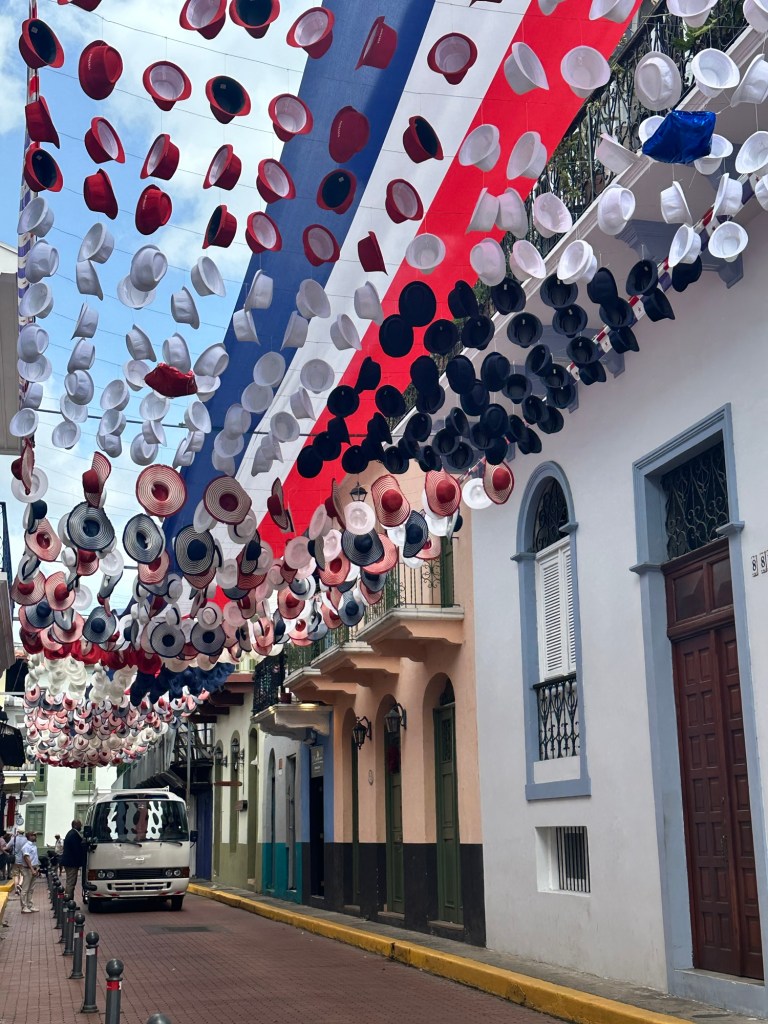
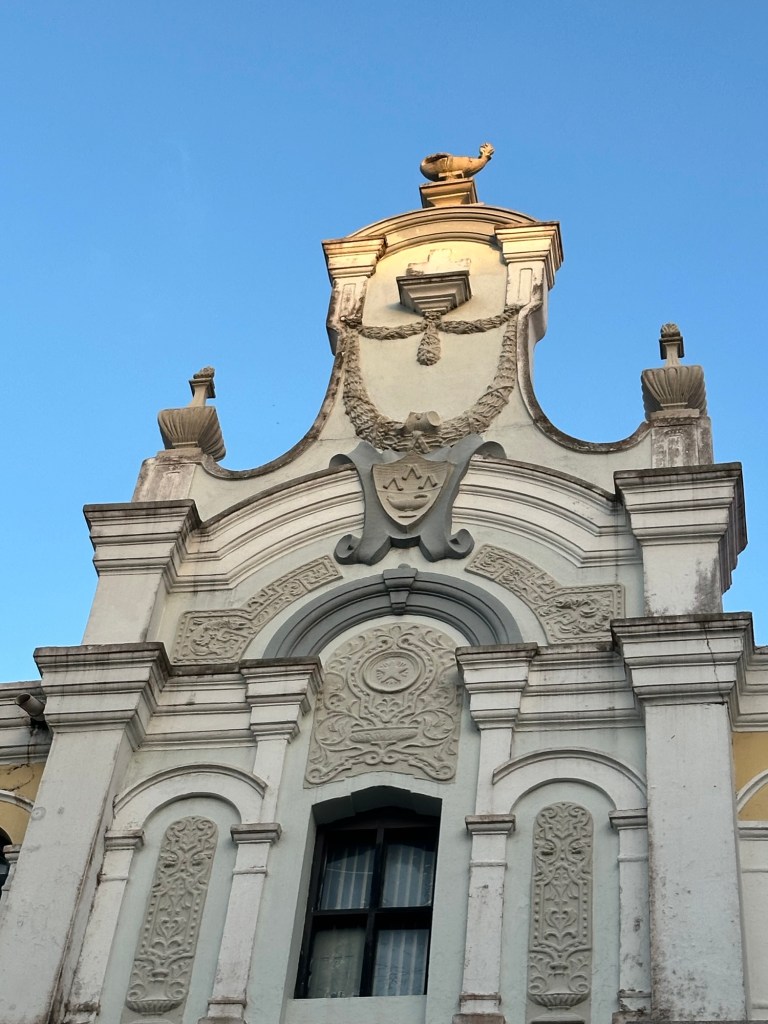
Somewhat disgruntled, I found an overpriced cafe to brunch in prior to my Museum visit. Two cups of strong coffee restored my mood and fortified me for what ended up being an exceptional museum experience. Museo del Canal Interoceánico de Panamá is located in what originally was the poshest hotel in Panama circa 1875, which then became the headquarters for the French attempt at building the Canal. When the French eventually fobbed the canal off to the US, the building continued to be the Canal headquarters until the US moved their operations closer to the Canal itself. The Panamanian Government took it over until it was eventually restored in the 90s to become the world class museum it is today.
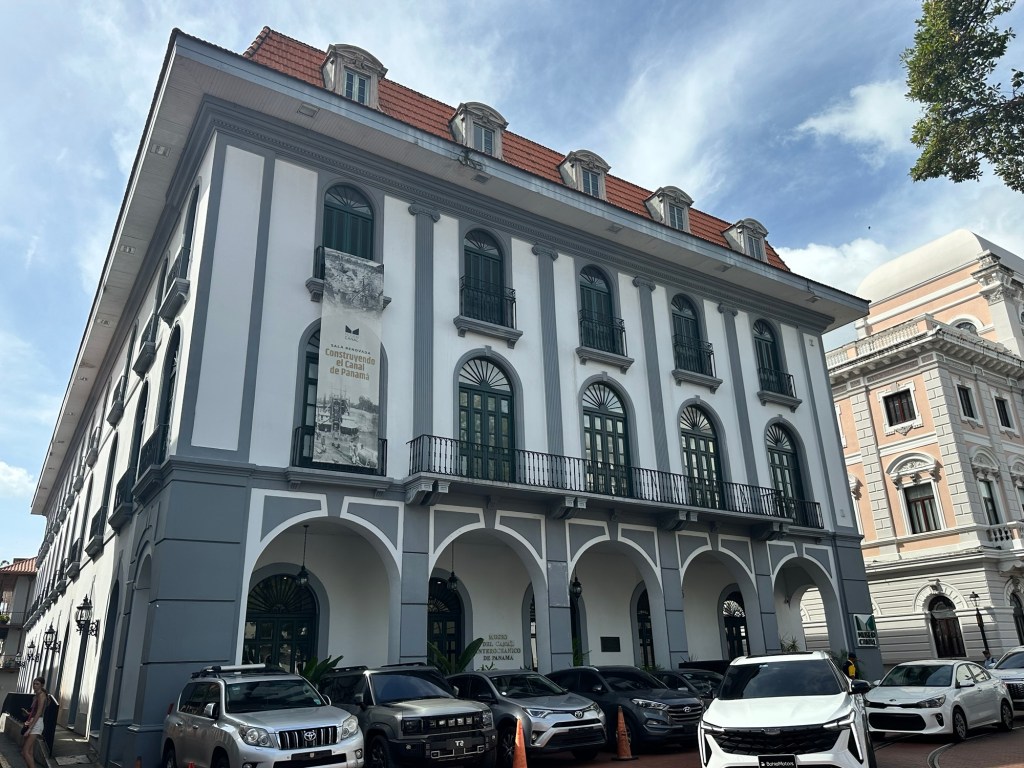
Two floors of air conditioned bliss starts the story right from the beginning when the idea of building a canal through Central America was first mooted. It then covers first the French attempt, then the subsequent American takeover and completion of the project. Historic artefacts and a fairly honest appraisal of the racism and cultural inequities were on full display. The story didn’t just end there though. With the Panama Canal a US territory, due to a deal agreed to by the respective governments of the day, a push for the Canal to be returned to the Panamanian people was rapidly gaining traction. This was ratified by both governments in 1977 to take effect in 1999.
In the meantime though, the US decided its former CIA puppet and Panamanian dictator, General Manuel Noriega, was persona non grata. So they did what they are famous for: attacked the country to remove its head. Only Noriega evaded capture by seeking refuge in the Holy See Diplomatic Mission. So the US employed what was without a doubt the most ingenious way to weasel him out. Noriega was an opera lover who detested rock music. The US set up a barrage of industrial speakers and blasted heavy rock and metal music around the clock for several days until he couldn’t stand it any longer and surrendered.
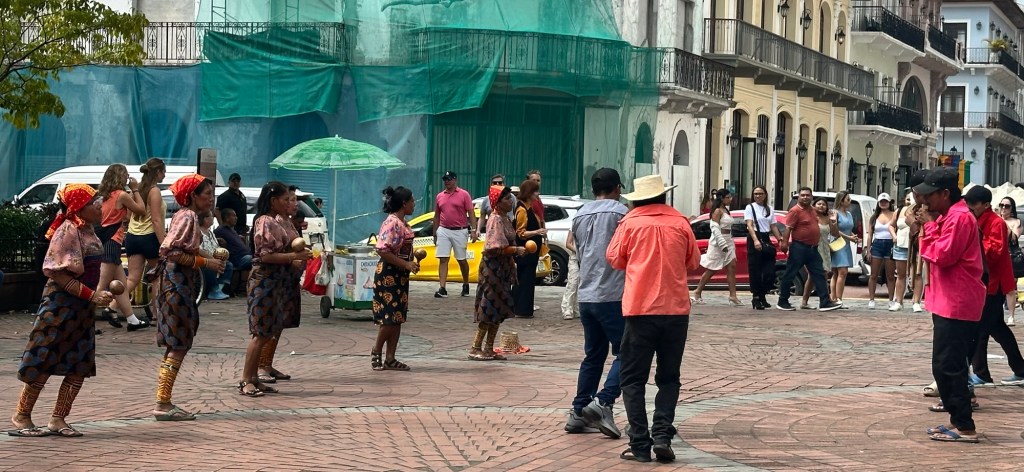
I had messaged Mike earlier in the day to let him know I was at the museum and had arranged to meet in the Square afterwards. We were going to go for a walk but as it was later than anticipated, decided on a bar crawl instead. A detour to my hostel to see if the water was back on, led me to confirm that my room was indeed not at all secure as I proved by opening the locked door with a nail file. And there was still no water. I only had one more night there so decided to suck it up and move on the following day.
 Wild Woman Wandering