
Google said the museum was open. And it was a Monday. So with optimism, I jaunted over the few blocks…..to find it closed. A vendor selling young coconuts from a handcart just in front of the firmly shut front door assured me it would be open the next day. I was only planning on spending one day in Chitre, two at the most, but really wanted to see this little museum so returned to my hotel to book another night.
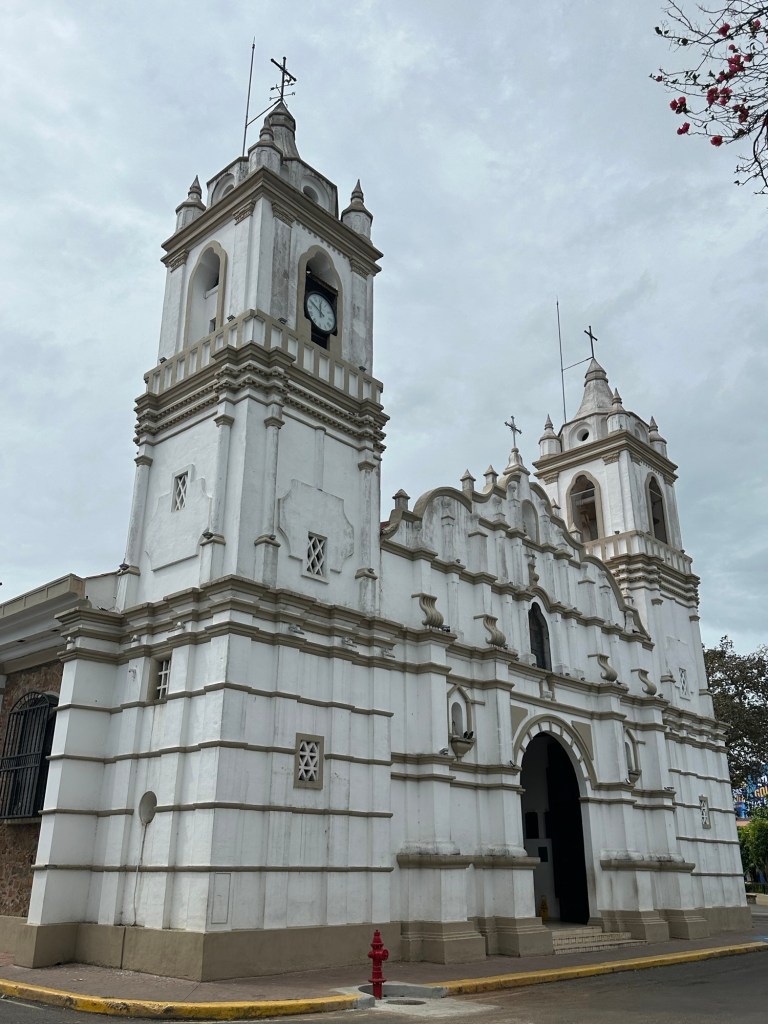
Task completed, it was then the question of what to do for the day. The other thing that looked interesting and one I had considered the previous day was a visit to a local rum distillery in a nearby town. Google assured me it was open, but then again, Google assured me the museum was open. Nevertheless, I decided to hoof it back to the bus terminal for another jaunt into the Herrera countryside. Sometimes this Wild Woman just likes to roll the dice and see where it lands. One thing is for sure – it will be always be an adventure of sorts.
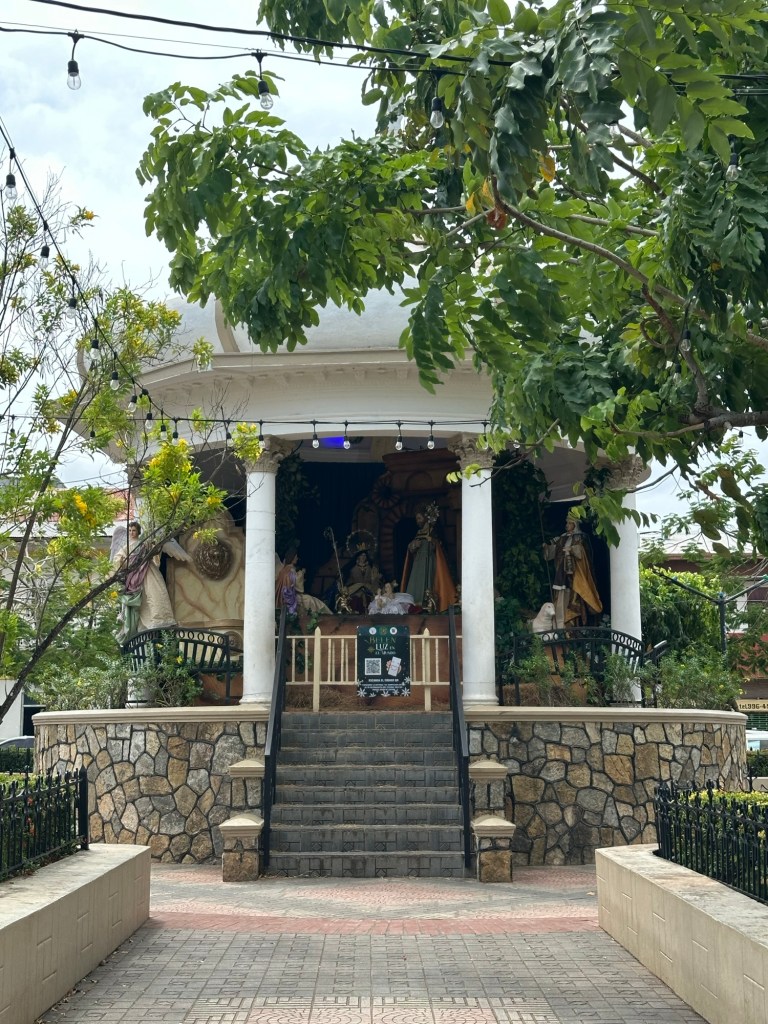
The little town of Pese lies about 30kms west of Chitre along one of the main arterial roads so despite the usual stop/start for passengers, it was a fairly quick trip. I stayed on the bus when it reached Pese as it weaved its way through the town and got dropped off on the outskirts to walk the final kilometre and a half to my destination.
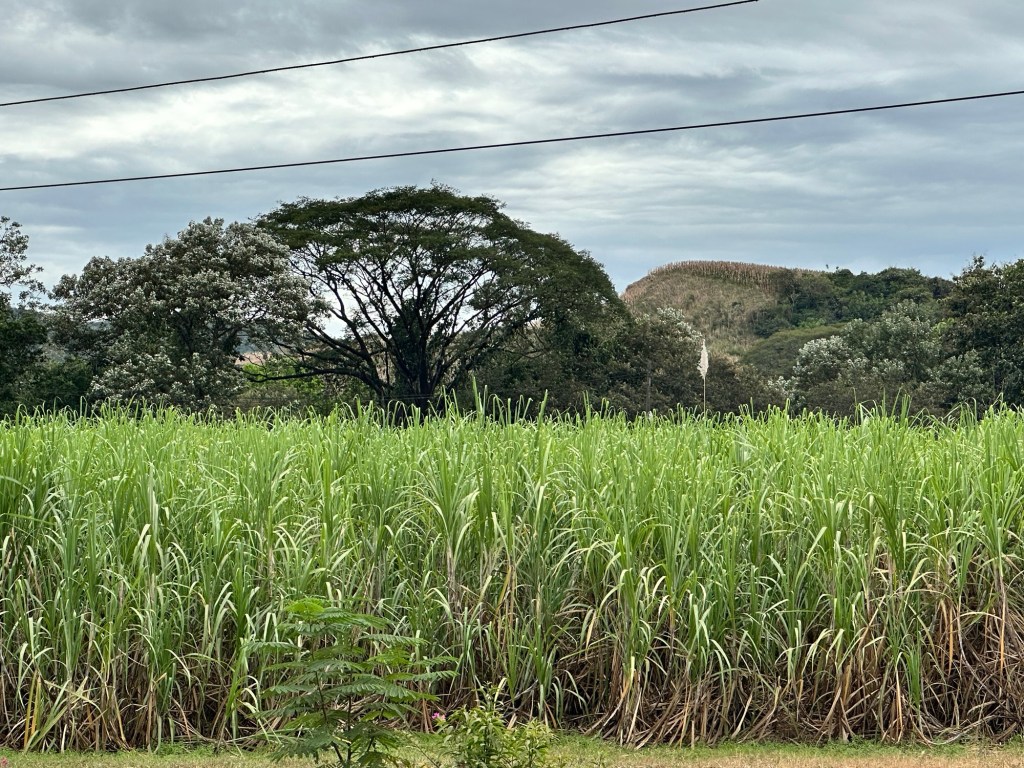
Almost immediately, I was flanked by towering sugarcane. Large trucks overflowing with cut cane roared past hombres working in the fields. I eventually reached an impressive gateway, shortly followed by a gatehouse manned by security. I asked if they were open and that I was interested in doing a tour. A quick phone call later, and I was sent on up the road to where a guide was waiting for me.
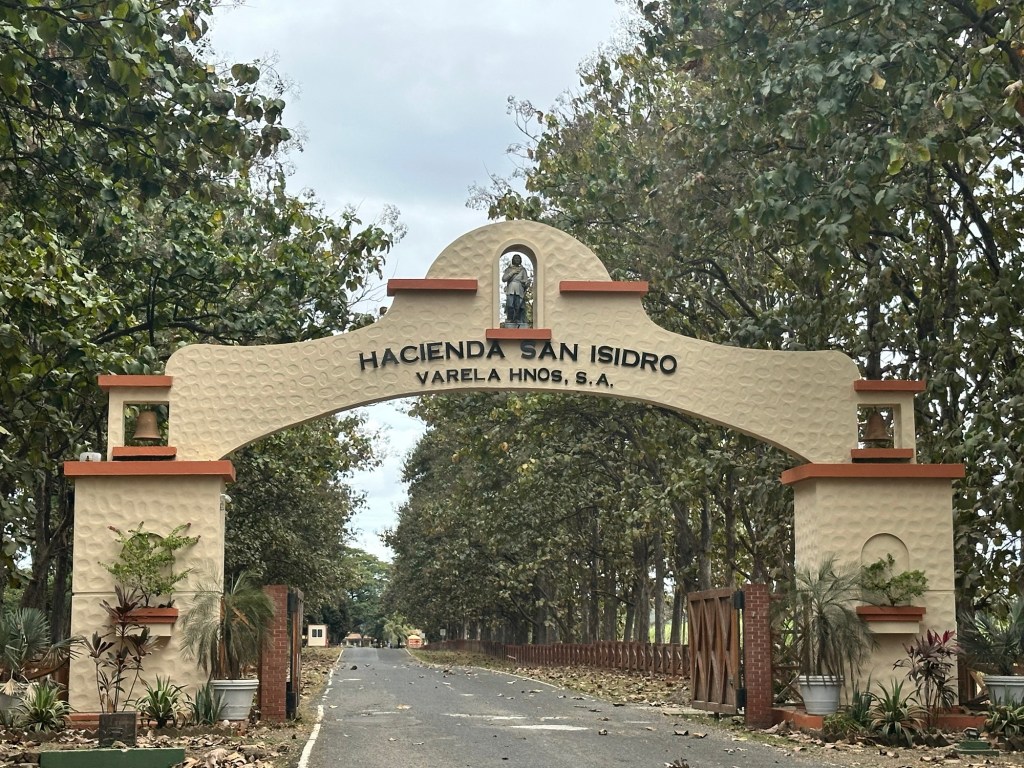
It turned out that most tours are booked on line and are of a more formal nature, but my guide, Tito, offered to take me around on a personal tour for USD25. I jumped at the offer and so we began. Originally starting out as a sugar producing outfit, Haciendo San Isidro diversified into producing liquor in 1936. The company has been in the same family since 1908 and produces many high quality rums under the Abuelo label, as well as Panamanian grog staple, seco.
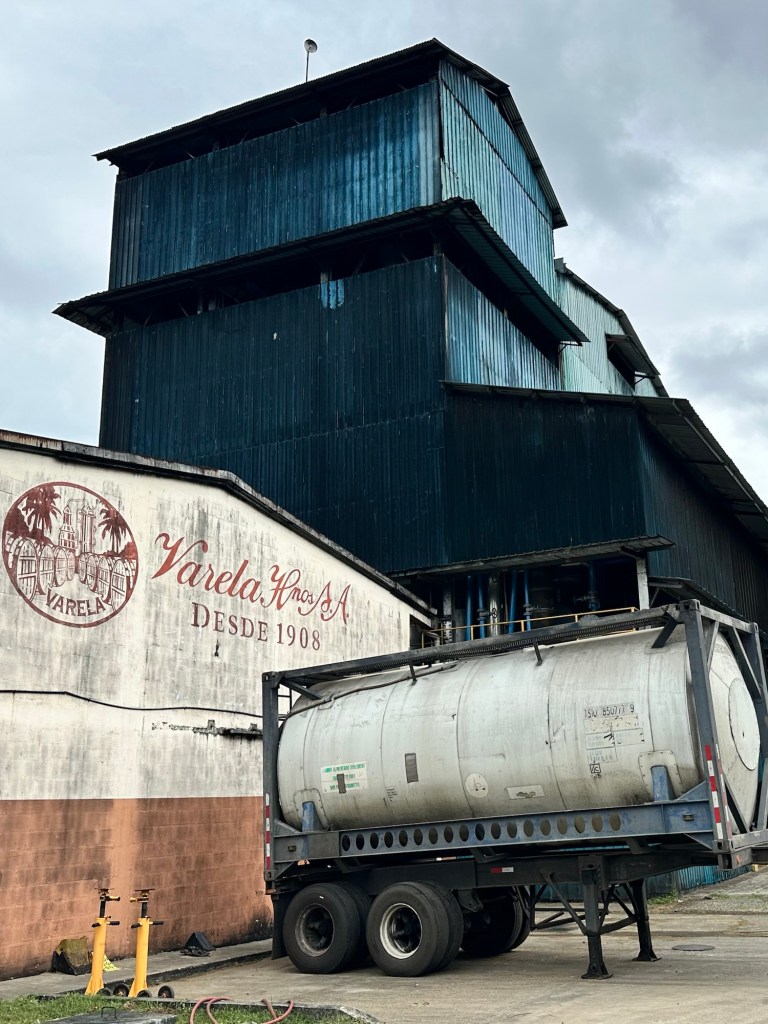
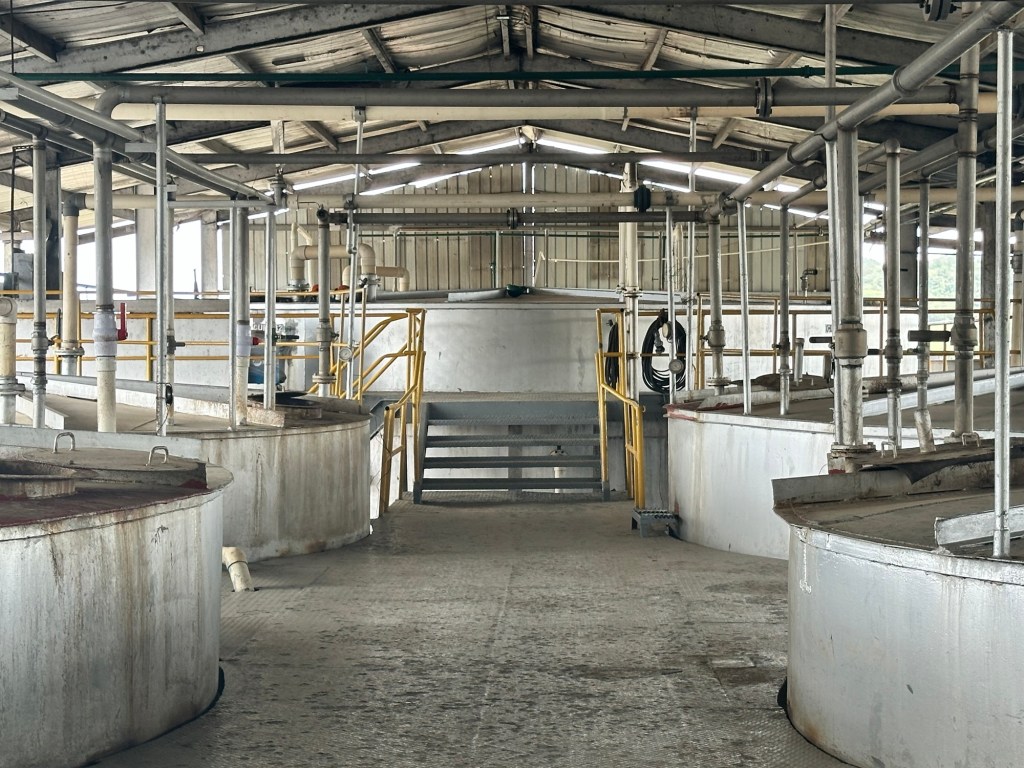
Tito took me around the whole processing plant, explaining how the different liquors were made. I was surprised to learn that the plant is completely self-generating as they burn cane chaff and other by-products to produce enough energy to not only run the plant, but also most of Pese. In addition, the company employs most of its workers from the town and is a large contributor to Pese’s prosperity.
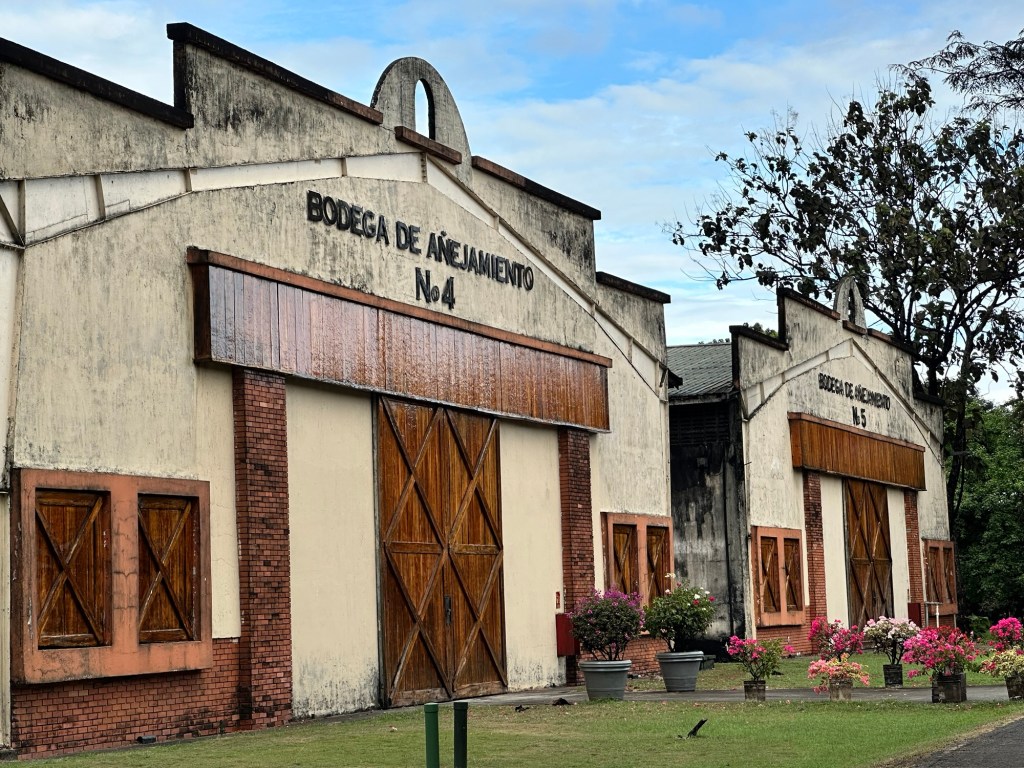
It was then on to tastings in the vintage warehouses where the company’s most exclusive rums were being stored. Their flagship Abuelo rum starts out as a basic 5yo, then progresses to a slightly more mature 7yo. It is after this point though that the rums really start to come into their own. A range of 12yo and 15yo vintages aged in oak, then finished in casks which had previously aged different liquors (such as sherry, cognac or port) raised the bar before blowing it completely off the Richter with the Abuelo Centuria. This predominantly 30yo rum is replenished using a solera system where the original vintage is topped up at lengthy intervals with slightly younger vintages to maintain consistency and supply of what remains a highly prestigious and sought after rum.
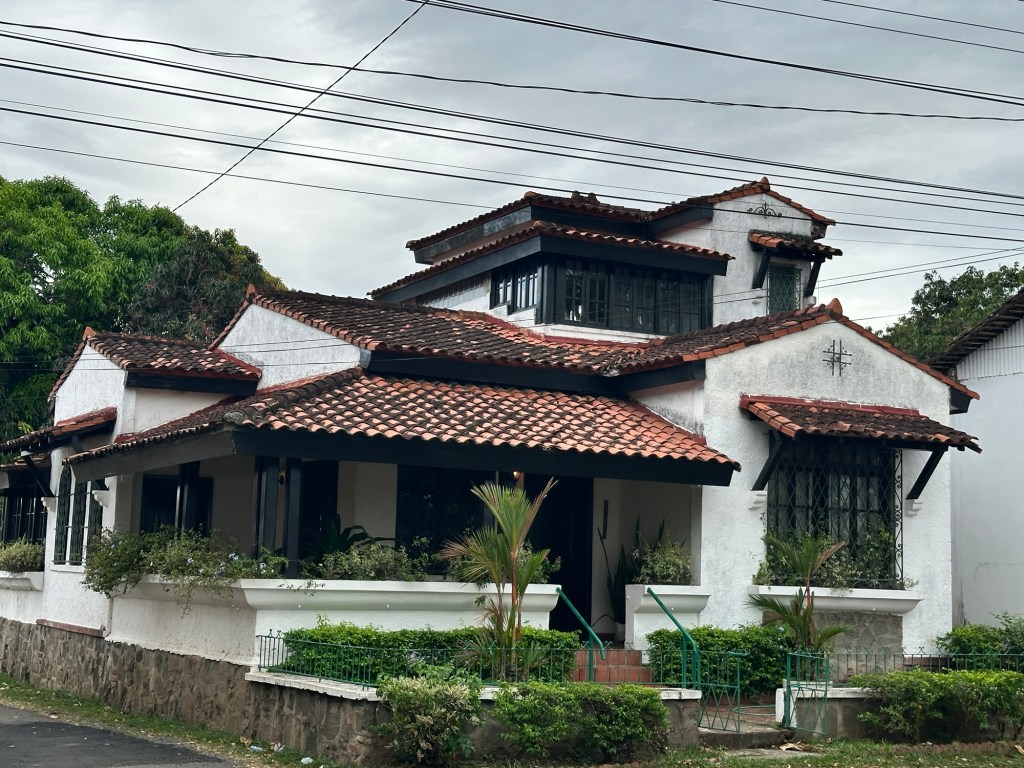
My guide, Tito offered to take me to the founder’s house in town for a tasting of one of the 15yo vintages as I only had opportunities to taste the 5, 7, one of the 12s and the Centuria. I certainly got my money’s worth out of the tour as I ended up with five full shots of rum, including two of the Centuria which retails for USD135 a bottle! Plus I got a chance to see the beautiful founder’s house in town.
As Tito lived in Chitre and mine was the last tour for the day, he offered to give me a lift back to my hotel. All in all, a most memorable day as I left with a vow to bring home a bottle of exceptional Abuelo rum.
 Wild Woman Wandering