
Not content with ignoring the road beyond Boquete completely, I left my pack at the hostel after checking out and caught one of the local minivans that service that area. I explained to the driver that I didn’t want to be dropped off at any of the trail heads, rather just do the loop and return to Boquete. He was more than happy for that and let me sit in the front seat so I had a panoramic view of the countryside.
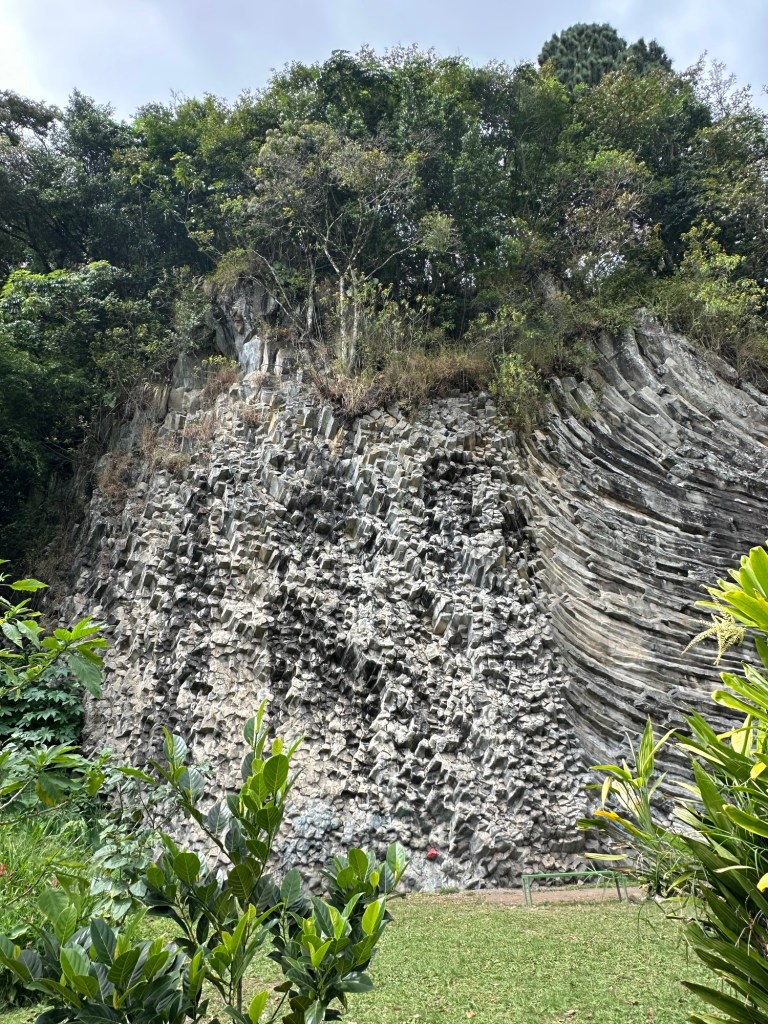
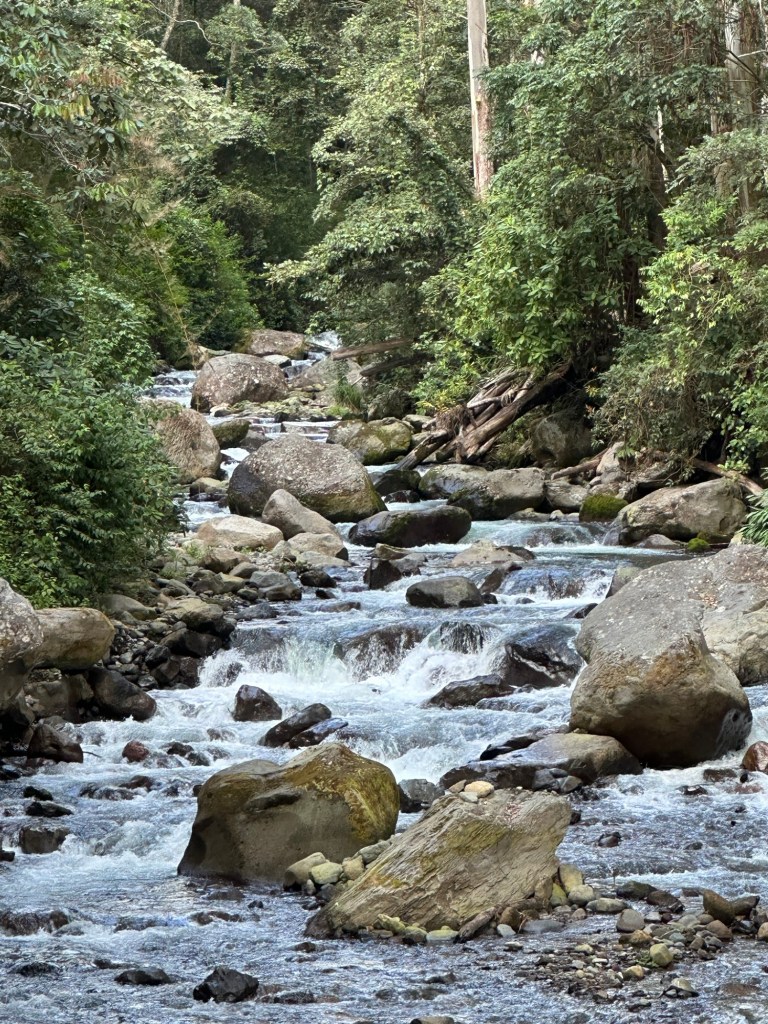
Almost immediately, I was happy I had decided to venture up the mountain road. The terrain altered to reflect the high altitude landscape that depicts this region. Cloud forest enveloped the steep slopes. Strawberry farms in protected plastic tunnels filled some of the valleys. High altitude coffee plantations completed the vista; the red coffee ‘cherries’ peaking through glossy green foliage. And pristine rivers cascaded down sheer drops or rumbled noisily down rocky river beds.

My driver decided he would be my ‘tour guide’ and stopped for me to take photos as well as explaining aspects of the region to me. What became apparent as we traversed through the countryside though, which needed no words, was the disproportion between expat foreign or wealthy national owned enterprises and the indigenous communities living on the fringes; the latter living in crude wooden huts with limited facilities.
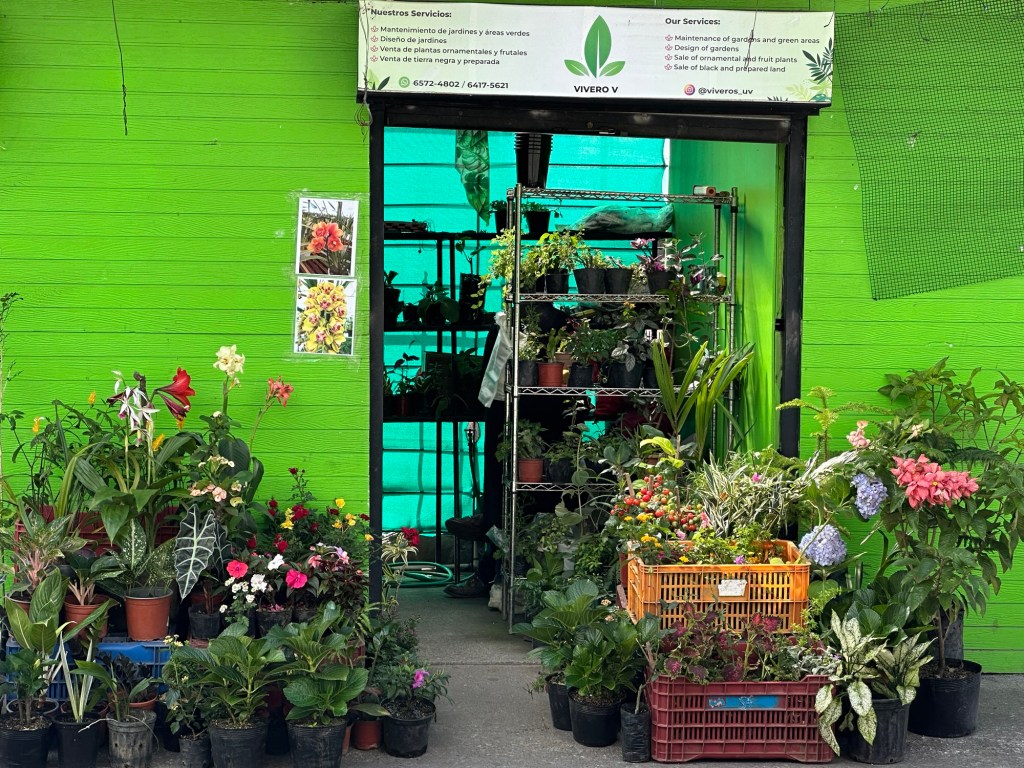
Back in Boquete, I gathered my pack and wandered down to catch a bus back to David. David is Panama’s second largest city, outside of Panama City, and has little to recommend it to the average tourist. The guidebook did mention an historic centre that was worth a look so I decided to book a dorm room overnight so I could check it out before pushing further afield. Before leaving Boquete, the owner of the hostel contacted me and asked if I was interested in going with him to release some turtle hatchlings down on a beach just south of David. I had seen turtle hatchlings released before in Nicaragua but it didn’t cost much and I could check out another little part of Panama.
Roger, a Samoan-Spanish-American born in Panama, picked me up from the bus terminal and we just had time for me to drop off my pack and change shoes before heading out again for Playa Barqueta, about 40 mins south of David. Roger explained the conservation issues with this particular stretch of coastline with land owners wanting to sell to consortiums to build high rise apartments for expat foreigners with scant regard for the plight of the sea turtles who would be effected by such a move. It is an issue deep in his core.
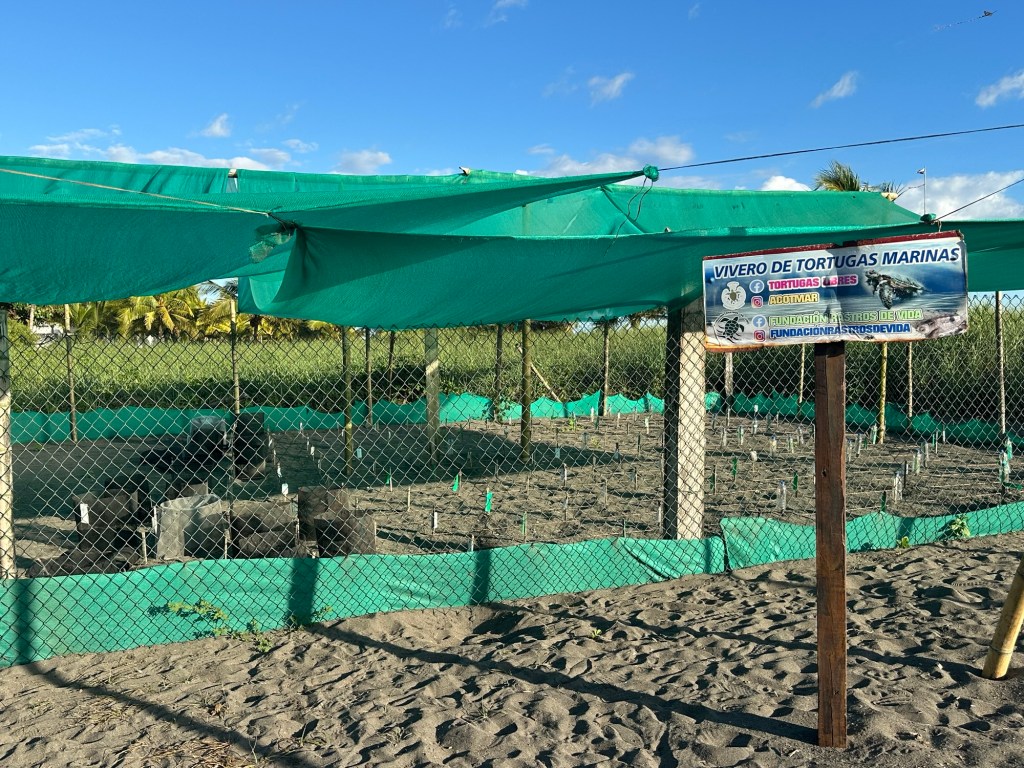
Down at the beach, Roger introduced me to Alexis who runs the small turtle refuge situated between his beachside cafe and a run-down high-rise block of apartments. Eggs are collected prior to poachers nabbing them and reburied in numbered and dated pits at the refuge. When the turtles start to hatch, they are collected to await the next possible mass release on the beach. Late this afternoon was one of those occasions.
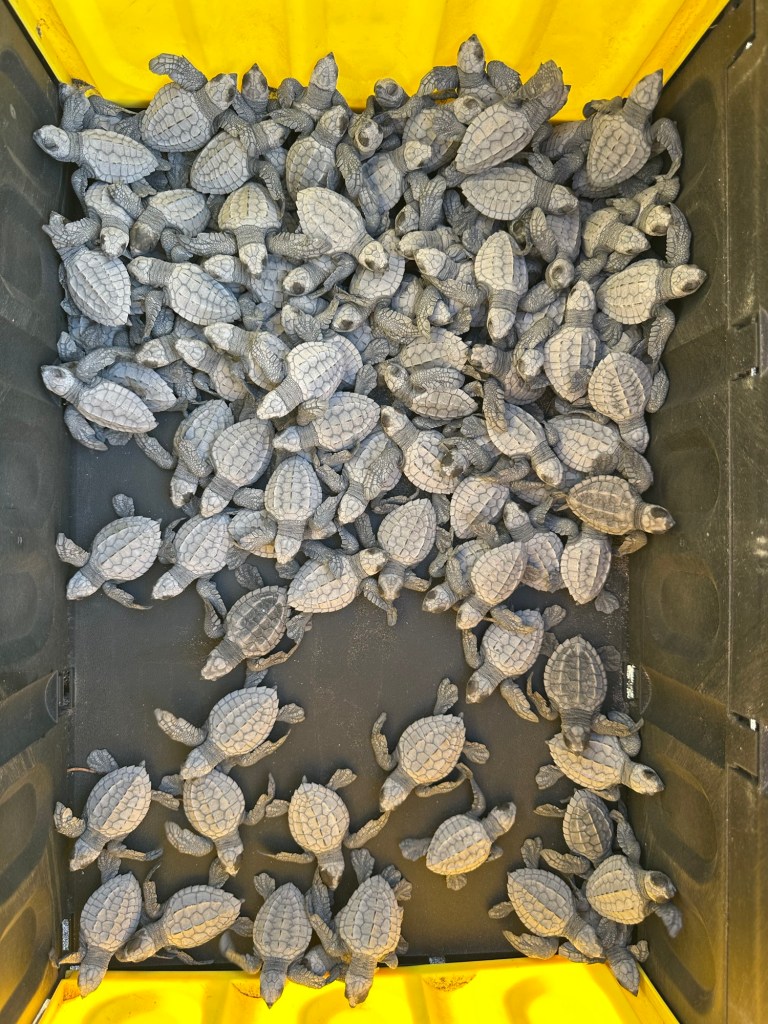
I helped with transferring the hatchlings into special containers used for their release. Then the containers were carried down to the beach and placed inside a roped off area prior to the relapse. Finally, a section of the container was removed so the hatchlings had free access to the beach. Then, following natural instinct born over millennia, the hatchlings made their way down to the water; the waves collecting them in its embrace and taking them out to sea.
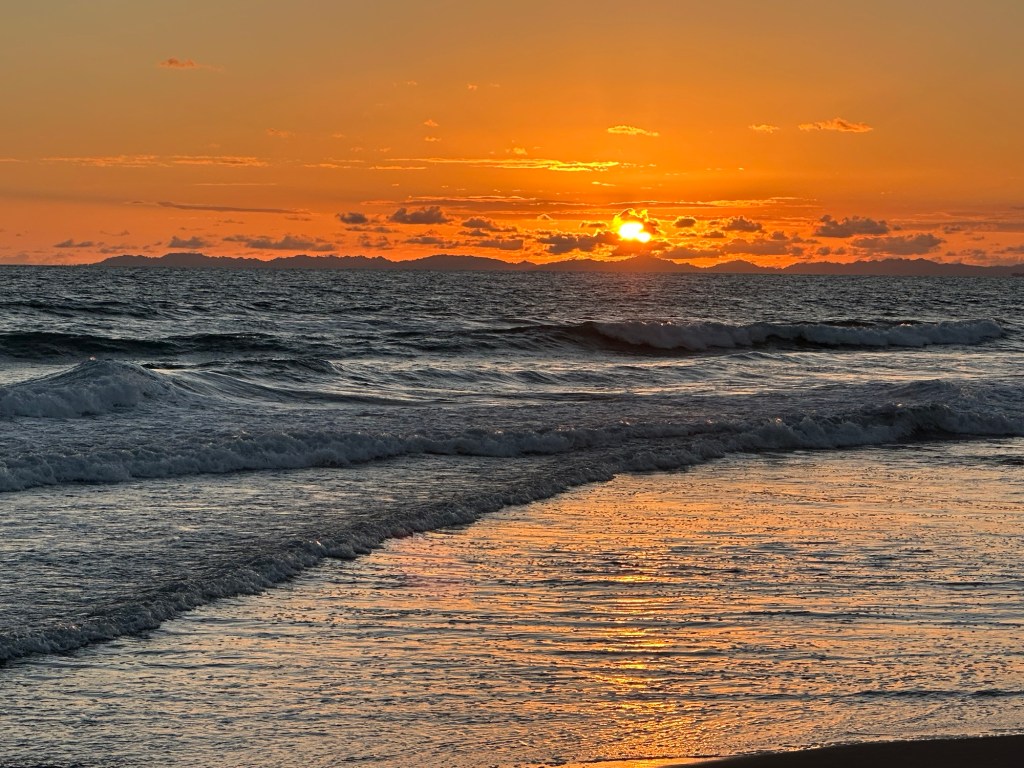
By now it was close to sundown and we had time to watch as a glorious ball of light melted into the horizon; the ocean reflecting its fiery descent. A beautiful end to a lovely day and a beautiful start for a couple of hundred little parrot turtle hatchlings.
 Wild Woman Wandering